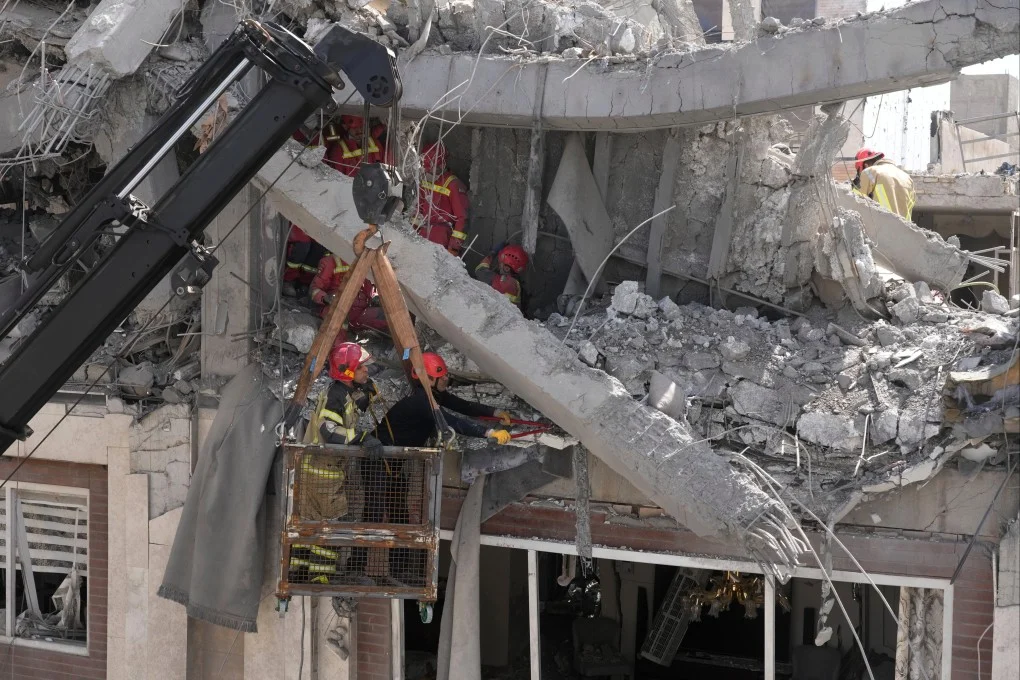
A month into the conflict between the United States and Israel against Iran, it seems that things are not going according to President Donald Trump's plan, which anticipated the end of the dispute within four to six weeks. Despite the assassination of most Iranian regime leaders, the regime shows no signs of collapse.
Military pressures continue through American and Israeli airstrikes, which may have impacted Iran's missile and drone capabilities; however, these capabilities still pose a significant threat to the region. This ongoing challenge raises questions about the effectiveness of the adopted military strategy.
Details of the Ongoing Conflict
Since the beginning of military operations, the United States and Israel have conducted a series of airstrikes targeting Iranian military infrastructure. However, reports indicate that these strikes have not achieved the desired objectives, as the Iranian regime remains cohesive and demonstrates the ability to respond. Moreover, military operations have not led to a sharp decline in the morale of Iranian forces; on the contrary, there seems to be an increase in popular support for the regime in the face of external threats.
At the same time, international concern is growing over the implications of this war on regional stability. As fighting continues, fears are mounting that the conflict could escalate to unprecedented levels, potentially leading to widespread chaos in the region.
Historical Context and Background
Historically, U.S.-Iran relations have been tense since the Islamic Revolution in 1979. These relations have escalated significantly in recent years, particularly with the U.S. withdrawal from the nuclear deal in 2018. This withdrawal led to the re-imposition of strict economic sanctions on Iran, exacerbating tensions between the two countries.
In recent years, Iran has bolstered its military capabilities, including the development of long-range missiles and drones. These capabilities have made Iran a key player in regional conflicts, complicating the situation in the Middle East.
Consequences and Implications
The consequences of the current war extend beyond Iran, affecting regional stability in general. As the conflict persists, tensions between neighboring countries may escalate, potentially leading to new conflicts. Additionally, continued military pressures may push Iran to take more aggressive steps, increasing the risk of escalation.
Furthermore, the chaos resulting from the conflict could lead to a flow of refugees into neighboring countries, placing additional stress on these nations. The global economy may also be negatively impacted due to disruptions in the region, particularly in the energy sector.
Impact on the Arab Region
For Arab countries, the ongoing conflict between the United States and Iran poses a significant challenge. Many of these countries rely on regional stability for economic development. There are also concerns that the conflict could escalate sectarian tensions in the region, affecting the internal security of these nations.
Ultimately, the current situation in the Middle East requires a coordinated response from Arab countries and the international community. Cooperation and coordination among nations can help mitigate risks and achieve stability in the region.