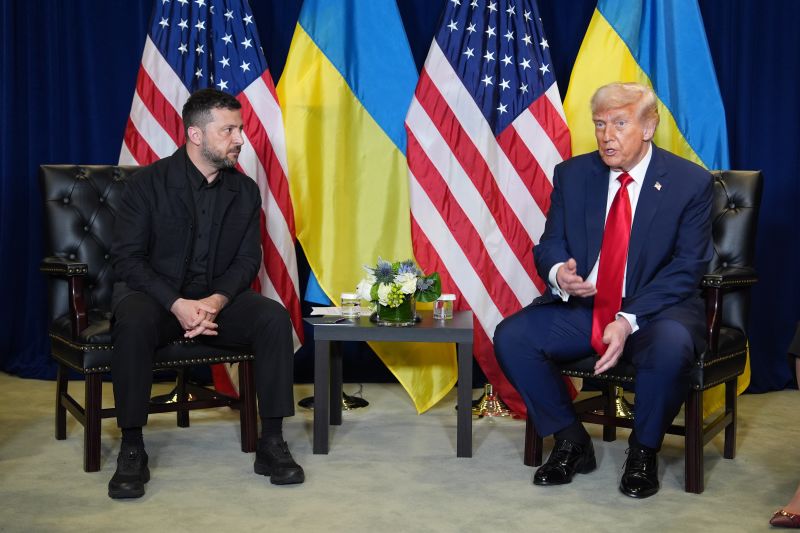
A recent poll indicates a significant drop in the popularity of former U.S. President Donald Trump, attributed to the ongoing war in Ukraine and its impact on U.S. domestic and foreign policy. This decline reflects growing voter concerns about Trump's ability to handle global challenges effectively.
According to the survey conducted by a research institution, Trump's approval rating among American voters has fallen to its lowest level in a long time. The poll revealed that many voters feel Trump has not been able to address global crises effectively, negatively affecting his public image.
Details of the Poll Findings
The data shows that Trump's approval rating has dropped to 38%, representing a 5% decrease compared to last month. Many analysts attribute this decline to the escalation of international crises, particularly the war in Ukraine, which has significantly impacted the U.S. economy and increased energy prices.
The poll also indicated that voters who previously supported Trump have become increasingly concerned about his response to global crises, leading to an erosion of his support base. At the same time, the survey results showed an increase in support for Democratic candidates, reflecting a shift in the general mood of American voters.
Background & Context
These results come at a sensitive time for U.S. politics, as the country approaches a new presidential election in 2024. Trump, who served as president from 2017 to 2021, has been attempting to rebuild his popularity following his loss in the previous election. However, it appears that global events, particularly the war in Ukraine, have significantly impacted his political strategy.
Historically, Trump has been known for his strong stances on foreign issues, but the current situation seems to have revealed weaknesses in his ability to influence the international landscape. Additionally, tensions with Russia and China have complicated matters further, leading to a decline in confidence in his leadership.
Impact & Consequences
The decline in Trump's popularity could have far-reaching effects on the Republican Party. This downturn may lead to divisions within the party, as some members may seek to support other candidates who adopt different policies. Furthermore, this decline could open the door for Democrats to strengthen their position in the upcoming elections.
Moreover, the increasing anxiety among American voters regarding global issues may lead to a shift in U.S. foreign policy priorities. This might require political leaders to reassess their strategies for dealing with international crises, including conflicts in the Middle East and Africa.
Regional Significance
The Arab region is directly affected by changes in U.S. policy, as the United States plays a pivotal role in many regional issues. Trump's declining popularity could mean changes in U.S. policy towards the Middle East, especially concerning the Israeli-Palestinian conflict and relations with Arab countries.
If this decline continues, Arab countries may need to reevaluate their strategies in dealing with the United States, potentially leading to shifts in regional alliances. Additionally, the rising economic and social issues in the region may require Arab leaders to take new steps to adapt to the changing global landscape.
In conclusion, Trump's declining popularity reflects a shift in the general mood of American voters, which could have profound implications for U.S. domestic and foreign policy, subsequently impacting the Arab region.