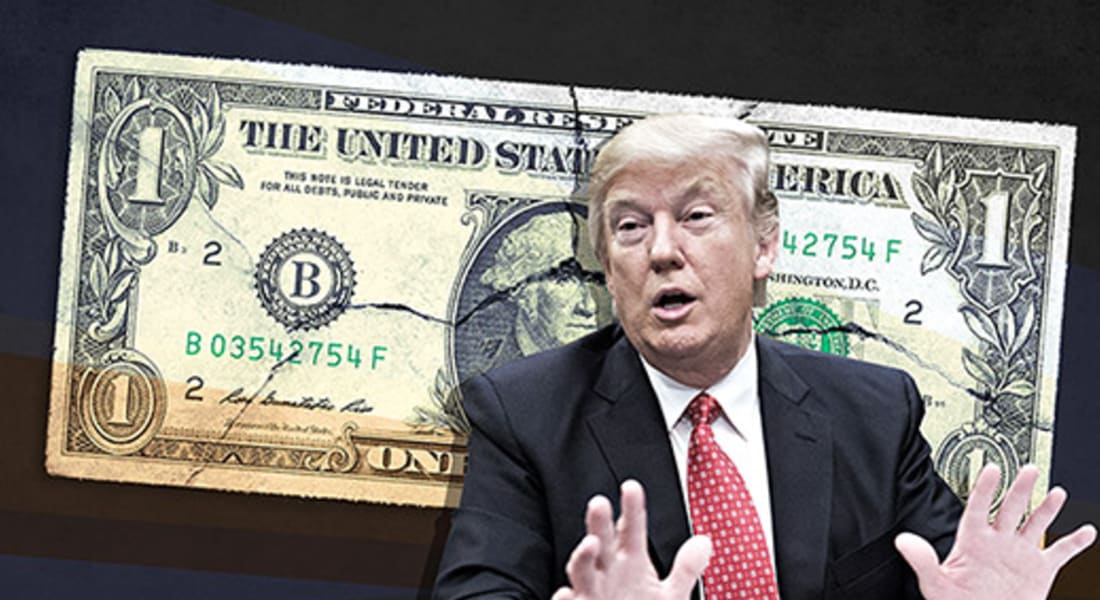
The US Treasury Department announced that President Donald Trump's signature will appear on new banknotes, making him the first sitting American president to achieve this milestone. This decision comes as part of the celebration of the 250th anniversary of US independence, where Trump's signature will be displayed alongside that of Treasury Secretary Scott P. Amundsen.
Amundsen stated, "There is no more powerful way to acknowledge the historic achievements of our great nation and President Donald J. Trump than through dollar bills bearing his name." The Treasury Department considers this step as part of the celebration of the anniversary of US independence, which dates back to 1776.
Details of the Event
The process of printing the new banknotes, featuring the signatures of Trump and Amundsen, is set to begin in June, with expectations for additional denominations to follow later. The current banknotes bear the signature of former Treasury Secretary Janet Yellen and Treasury Undersecretary Lin Malerba.
This step marks a radical change in a long-standing tradition, as Treasury secretaries' signatures have been the norm since 1861. This move is expected to elicit mixed reactions within American society, given the criticisms Trump has faced in the past.
Background & Context
The idea of placing the president's signature on banknotes stems from old traditions in the United States, where currency featured the signatures of prominent government figures. However, having a current president's signature on currency is a historic precedent, raising questions about its impact on the president's image in the eyes of voters.
This step comes at a sensitive time, as Trump faces significant political challenges, including criticism over the renaming of the Kennedy Center in Washington to the Trump-Kennedy Center, which has led to several artists withdrawing from scheduled performances there.
Impact & Consequences
This move could have far-reaching effects on Trump's image, as he seeks to bolster his political legacy by associating his name with major national projects. With the presidential elections approaching, Trump may aim to use this step as a means to enhance his popularity among voters.
Moreover, placing the president's signature on the dollar may spark debate about the use of currency as a political tool, potentially affecting how people view the US dollar as a symbol of freedom and prosperity.
Regional Significance
As Arab nations monitor this event, it could have indirect effects on economic and political relations between the United States and Arab countries. Strengthening Trump's image domestically may lead to changes in his foreign policies toward the region, especially amid ongoing tensions.
This step may also pique the interest of Arab countries regarding how US policy impacts the global economy, particularly in light of the economic crises faced by some Arab nations.
In conclusion, Trump's signature on the US dollar represents an unprecedented step in American presidential history, opening the door for further discussion about the relationship between politics and economics in the United States.