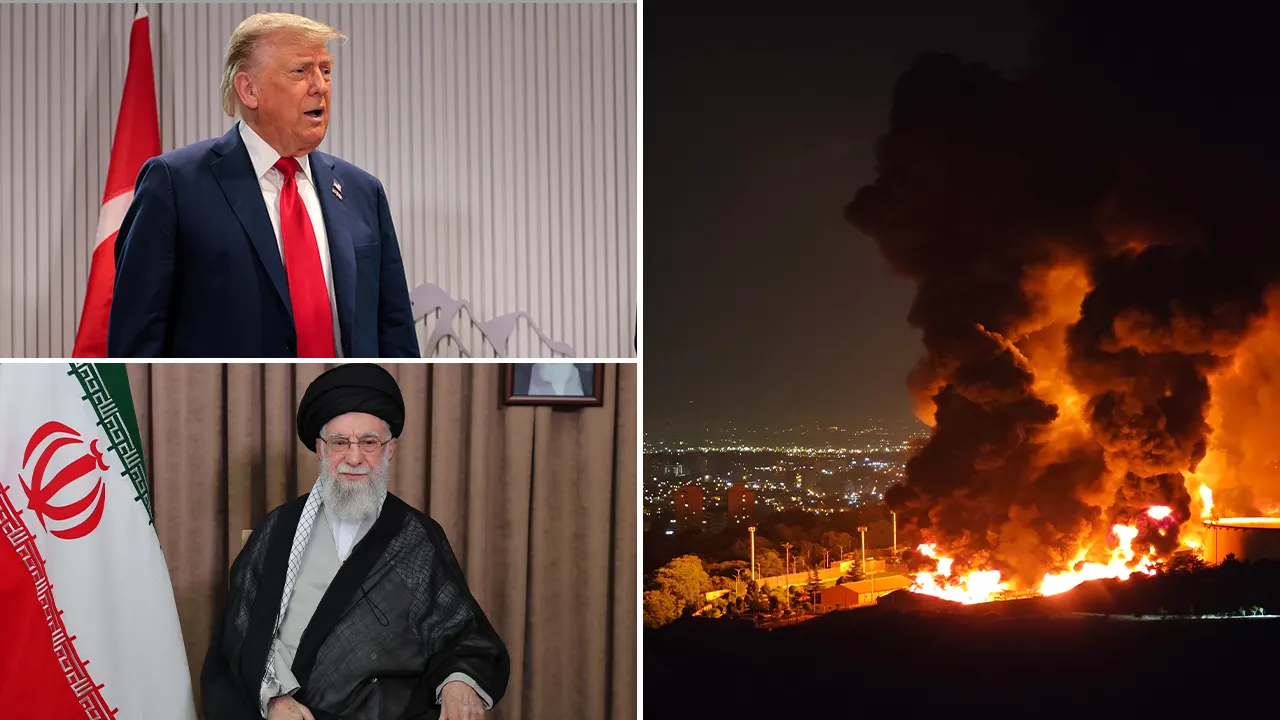
In a recent article for The Independent, writer John Sobel highlights the significant challenges faced by President Donald Trump in ending the war with Iran. He argues that achieving this goal is impossible unless oil tankers can safely transit the Strait of Hormuz. Despite Trump's assertions of victory, the current indicators do not support this claim.
Sobel provides a critical analysis of Trump's performance in the conflict with Iran, noting that the official rhetoric surrounding "victory" does not reflect the complete reality. While U.S. and Israeli military superiority is evident, the Iranian military infrastructure has faced severe pressure, yet this does not imply the conflict has concluded.
Details of the Situation
The Iranian control over the Strait of Hormuz, one of the world's most crucial maritime passages, is a pivotal point in this conflict. A significant percentage of global oil exports pass through this strait, complicating Trump's ability to claim a true victory without ensuring safe navigation.
Sobel emphasizes that Trump is fully aware that a genuine victory will not be achieved unless oil tankers can transit the strait safely, which explains the evident anxiety in his fluctuating statements. While he threatens military escalation, he simultaneously retreats to discuss peace opportunities, reflecting a state of uncertainty within the U.S. administration.
Background & Context
Historically, U.S.-Iranian relations have seen increasing tensions, especially following the U.S. withdrawal from the nuclear agreement in 2018. Since then, the intensity of the conflict has escalated, with Iran taking steps to enhance its influence in the region, further complicating the landscape.
Under these circumstances, Iran has adopted a different strategy focused on resilience and inflicting economic costs on its adversaries. The rising prices of oil and related commodities within the U.S. are negatively impacting citizens, turning the war into a political and economic burden for the Trump administration.
Impact & Consequences
Trump faces a genuine dilemma, as reopening the strait by force is not an easy task and may require complex military operations. This contradicts his previous promises to avoid new wars, increasing the pressure on him domestically.
Sobel asserts that declaring victory remains impossible unless navigation in the Strait of Hormuz is fully secured. Until then, the war will remain open, carrying serious implications for the global economy and energy prices, affecting market stability.
Regional Significance
These developments are particularly significant for the Arab region, as any escalation in the conflict could impact the stability of neighboring countries and heighten tensions. Additionally, rising oil prices may negatively affect the economies of Arab nations that heavily rely on oil exports.
In conclusion, Sobel expresses skepticism regarding the possibility of Trump achieving a genuine victory under these complex circumstances. The question remains: Will Trump be able to secure a real victory amidst these challenges?