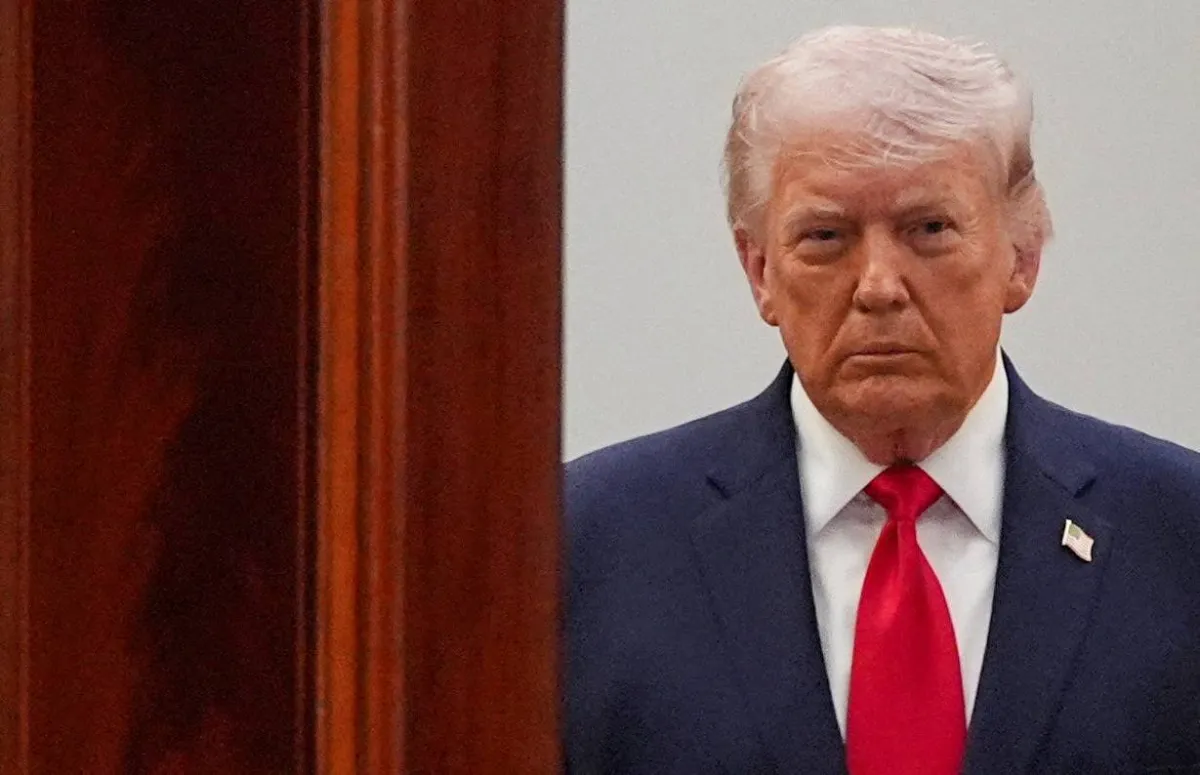
Concerns are escalating in the U.S. Congress following the controversial statements made by President Donald Trump regarding Iran, where he threatened to bomb Iranian infrastructure if Tehran does not open the Strait of Hormuz. These remarks, which were made via the platform Truth Social, have elicited mixed reactions among members of Congress from both parties.
A number of lawmakers, both Democrats and Republicans, expressed their discontent with the tone of the threats, with former representative Marjorie Taylor Greene labeling Trump as "crazy," indicating that these statements do not reflect what he promised the American people. She also voiced her concern that these remarks could lead to an unjustified escalation in the conflict.
Details of the Event
While a significant portion of Trump's base continues to support him, some Republicans have begun to express their worries about the impact of these statements on their support for him. Polls indicate that the majority of Americans do not support war, which increases pressure on Trump amid rising energy prices, with the average price of gasoline reaching $4.11 per gallon.
Concerns are growing among lawmakers, with Republican Senator John Curtis warning that support for military operations should be conditional on congressional approval, noting that any escalation could lead to negative outcomes in the upcoming midterm elections.
Background & Context
These statements come at a sensitive time, as the war between the United States and Iran has continued for over 40 days. Iran has been given a deadline until Wednesday morning to meet Trump's demands, further heightening tensions in the region. Meanwhile, the United States is seeking to reach a ceasefire agreement through regional mediators, including Pakistan, Egypt, and Turkey.
The diplomatic efforts aim to achieve a temporary ceasefire lasting 45 days, which could pave the way for a permanent end to the war. However, the chances of reaching a partial agreement remain slim, as Iran rejects some of the U.S. proposals.
Impact & Consequences
Trump's recent statements could exacerbate the situation in Congress, where the president faces increasing pressure from both parties. Democrats have seized this opportunity to criticize Trump, warning that his threats could lead to war crimes. Senator Chris Murphy called on Republican leaders to intervene to stop Trump's actions.
Senator Bernie Sanders also pointed out that these statements reflect a state of psychological instability in the president, necessitating congressional action to end the war. At the same time, concerns are rising regarding the financial cost of the war, with defense spending expected to reach $1.5 trillion.
Regional Significance
These developments directly affect the Arab region, as the continuation of the war could increase instability in the Middle East. The escalating tensions between the United States and Iran could also impact shipping routes through the Strait of Hormuz, a vital artery for global oil supplies.
Under these circumstances, Arab nations are closely monitoring the situation, as any escalation could lead to serious economic and security repercussions for the region.
In light of rising tensions, the future of U.S.-Iranian relations remains uncertain, necessitating intensive diplomatic efforts to avoid further escalation.