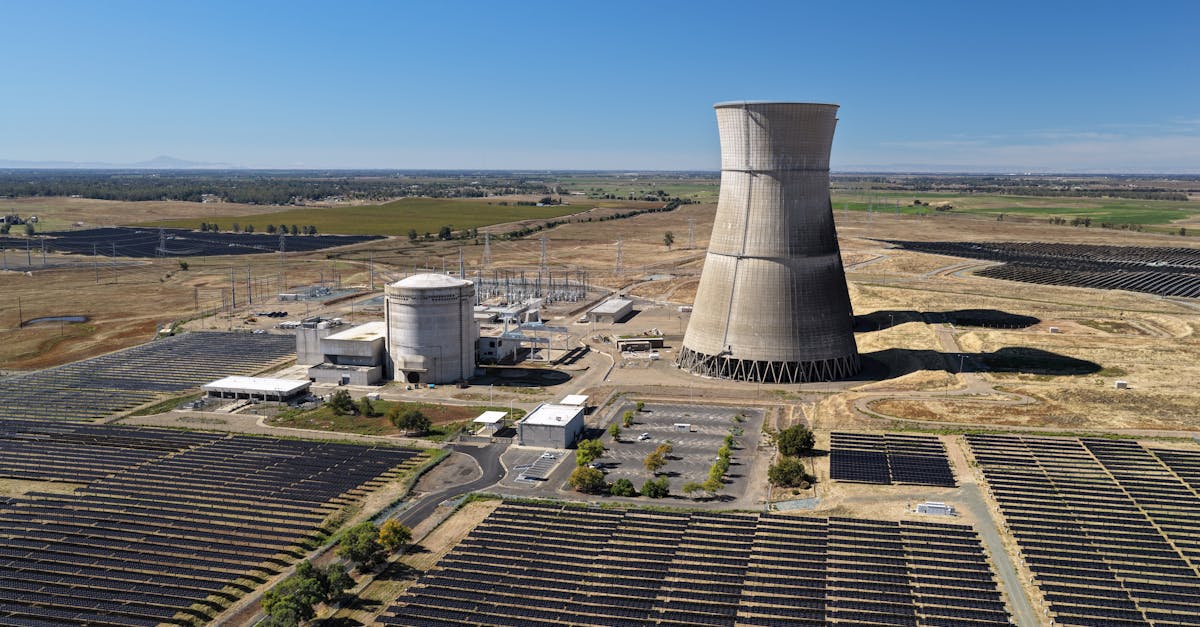
Legal experts have reported that former U.S. President Donald Trump's threat to destroy electrical power plants in Iran could be categorized as a war crime, especially amid rising tensions between the two countries. This declaration arises during a period of heightened fears regarding a potential military escalation in the region, raising concerns within the international community.
It is noteworthy that Trump previously threatened to carry out military strikes on strategic sites in Iran, including power plants. These threats raise questions about the United States' international obligations, particularly concerning laws that prohibit targeting critical infrastructure.
Details of the Event
In his statements, Trump emphasized that he would not hesitate to take strict actions against Iran if it continued to develop its nuclear programs. Reports indicate that these remarks followed a series of military skirmishes between U.S. and Iranian forces in the Arabian Gulf.
Power plants are considered a vital part of Iran's infrastructure, and targeting them could have severe consequences for civilians. Experts have indicated that such actions could be viewed as violations of international law, which prohibits attacks on civilian facilities.
Background & Context
Historically, U.S.-Iranian relations have been marked by increasing tensions, particularly following the U.S. withdrawal from the Iranian nuclear deal in 2018. Since then, Washington has imposed stringent economic sanctions on Tehran, exacerbating the situation in the region.
Iran is regarded as one of the key countries in the Middle East, wielding significant influence over various regional issues. Therefore, any military escalation could impact the overall stability of the region and intensify tensions among major powers.
Impact & Consequences
If Trump's threats are executed, it could lead to significant military escalation in the region. This situation might draw the United States into a prolonged conflict with Iran, affecting American interests in the Middle East.
Moreover, any attack on Iranian infrastructure could provoke retaliatory responses from Tehran, increasing the likelihood of a full-scale war. Additionally, this could impact global oil prices, as Iran is one of the leading oil-exporting countries.
Regional Significance
Given the current situation, the escalating tensions between the United States and Iran could have direct implications for Arab countries. Many nations in the region rely on the stability of the Arabian Gulf, and any military escalation could undermine security in these countries.
Arab nations may find themselves in a precarious position, needing to take clear stances regarding the potential conflict. This situation could affect relations between Arab countries and the United States, especially in light of the current tensions.
In conclusion, the situation in the region remains complex and requires careful monitoring. The mutual threats between the United States and Iran could lead to dire consequences, necessitating international intervention to mitigate escalation.