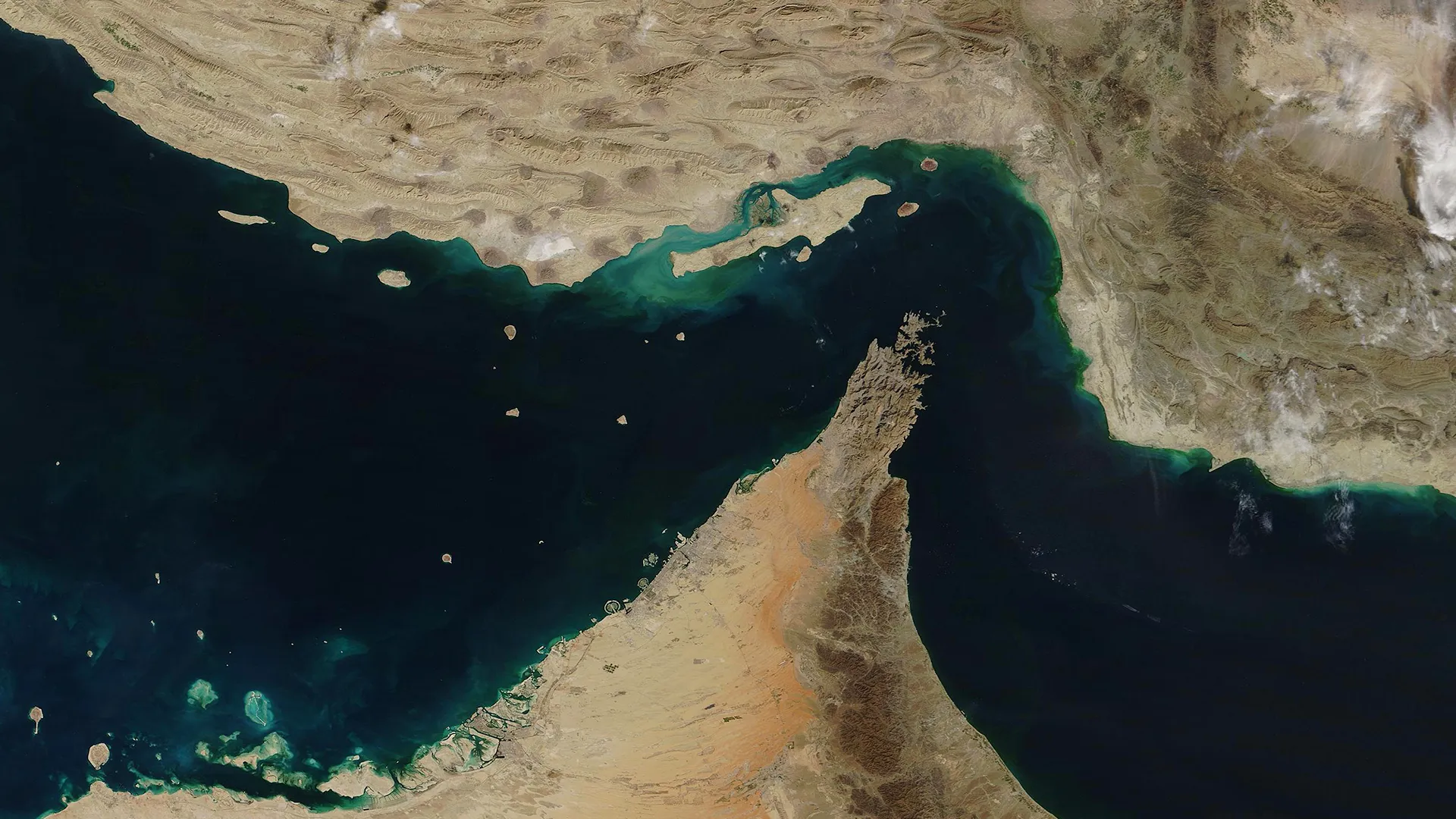
The threat issued by U.S. President Donald Trump to target Iranian power plants has ignited a debate and tension on social media platforms, with many activists discussing the potential risks of taking such a step. This threat comes at a time when maritime traffic in the Strait of Hormuz is experiencing a noticeable decline, according to data from the International Maritime Organization, with the number of vessels crossing dropping from over 3,000 daily to only 5 to 6 ships. These figures have left more than 2,000 ships and 20,000 sailors stranded in the waters surrounding the strait, exacerbating the global energy supply crisis.
Opinions on social media regarding this threat have divided into three main directions. The first calls for caution and emphasizes that implementing the threat will lead to a humanitarian and energy disaster affecting the entire world. A Twitter user named Huwaifa wrote, "If this threat is carried out, we will enter a disaster that will impact the entire world, and everyone should pursue diplomatic solutions."
The second perspective includes doubts about Trump's true motives, with activist Shaheer questioning, "How can someone claim they don't need oil from the region threaten to ignite war?" Here, Shaheer references Trump's previous statements asserting that the U.S. is not dependent on Iranian oil, raising questions about the rationale behind this threat.
Meanwhile, some activists spoke about potential pressures from American companies affected by war, as activist Naser pointed out that "American companies have started to face market losses, prompting them to pressure the government for intervention."
The discussion also touches on military implications, with activist Ibrahim warning that any attack on Iranian energy sources will quickly activate the Yemen front, given the presence of the Houthi group, which might issue a strong response if the situation escalates.
For its part, Iran, through Foreign Minister Abbas Araghchi, announced that it imposes no restrictions in the Strait of Hormuz except on vessels participating in attacks against it. Additionally, Ibrahim Zulfqari, spokesperson for the Khatam al-Anbiya headquarters, responded to Trump's threat, indicating that Iran would target all energy infrastructure and technology, including American and Israeli water desalination plants in the region, signaling a serious escalation that could reach unprecedented levels.
The region is characterized by political and military tensions and has previously witnessed numerous persistent scenarios leading to military escalations, including U.S. military interventions in Iraq and Syria. If the American threat towards Iran materializes, it is likely to produce repercussions that extend beyond Iranian borders to other areas in the Middle East, increasing fears of regional war.
These events come at a sensitive time as the region suffers from multiple crises, and such statements and tensions could lead to further political and economic instability in the countries of the region and may pave the way for a comprehensive military conflict.