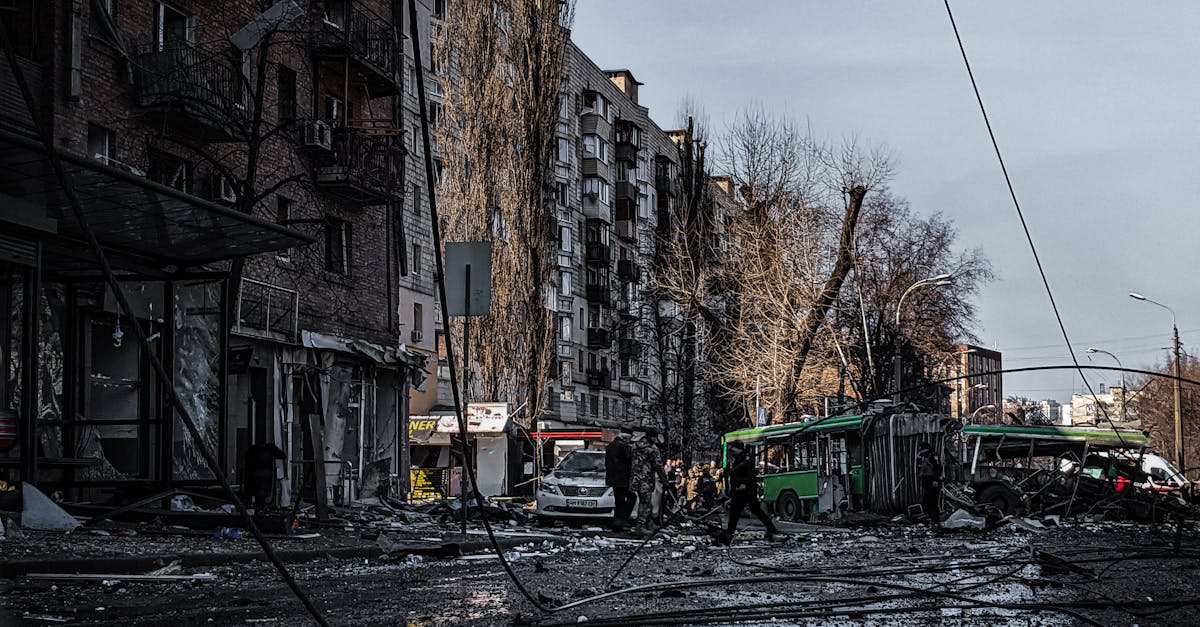
Iran has condemned former U.S. President Donald Trump's threats to target civilian sites as war crimes. The Iranian government asserts that such statements violate international laws and endanger civilians.
These remarks come at a sensitive time as tensions between Iran and the United States escalate, particularly following Washington's withdrawal from the nuclear agreement in 2018. Trump's statements have elicited strong reactions from Iranian officials, who view such threats as a reflection of a hostile policy towards their country.
Details of the Event
In statements made by Trump, he indicated that he would not hesitate to target civilian sites in Iran if necessary, which Tehran considers a blatant violation of international laws prohibiting the targeting of civilians in armed conflicts. The spokesperson for the Iranian Foreign Ministry noted that these threats reflect a war mentality that still dominates some American leaders.
He added that Iran would take all necessary measures to protect its citizens and national interests, warning that any aggression would be met with a strong response. These statements come amid increasing tensions in the region, particularly with the ongoing U.S. sanctions imposed on Iran.
Background & Context
Historically, relations between Iran and the United States have been marked by escalating tensions since the Islamic Revolution in 1979. Since then, there have been several crises, including hostage-taking, the Iranian nuclear program, and military interventions in the region. Trump's withdrawal from the nuclear agreement in 2018 heightened these tensions, as the U.S. reinstated economic sanctions on Iran, negatively impacting its economy.
In recent years, the region has witnessed a surge in conflicts, with Iran accused of supporting armed groups in Iraq, Syria, and Lebanon, which the United States views as a threat to regional security. These dynamics make Trump's statements more dangerous, as they could lead to unwanted military escalation.
Impact & Consequences
Trump's statements could escalate tensions between Iran and the United States, increasing the risk of military conflict. Should any threats be carried out, it would significantly impact regional security and could draw other countries into the conflict. Such actions may also provoke reactions from the international community, which might view them as a blatant violation of international laws.
Furthermore, escalating tensions could affect oil prices and financial markets, as Iran is one of the largest oil producers in the world. Any military escalation could disrupt oil supplies, impacting the global economy.
Regional Significance
For the Arab region, any escalation in tensions between Iran and the United States could affect stability in countries like Iraq, Syria, and Lebanon. These nations are already suffering from internal conflicts, and any external intervention could exacerbate the situation. Additionally, Arab countries with ties to the United States may find themselves in a difficult position, needing to balance their national interests with pressures from Washington.
In conclusion, Trump's threats serve as a wake-up call for the international community regarding the potential risks arising from escalating tensions between Iran and the United States. It is crucial for the international community to work towards de-escalating the situation and avoiding any escalation that could lead to armed conflict.