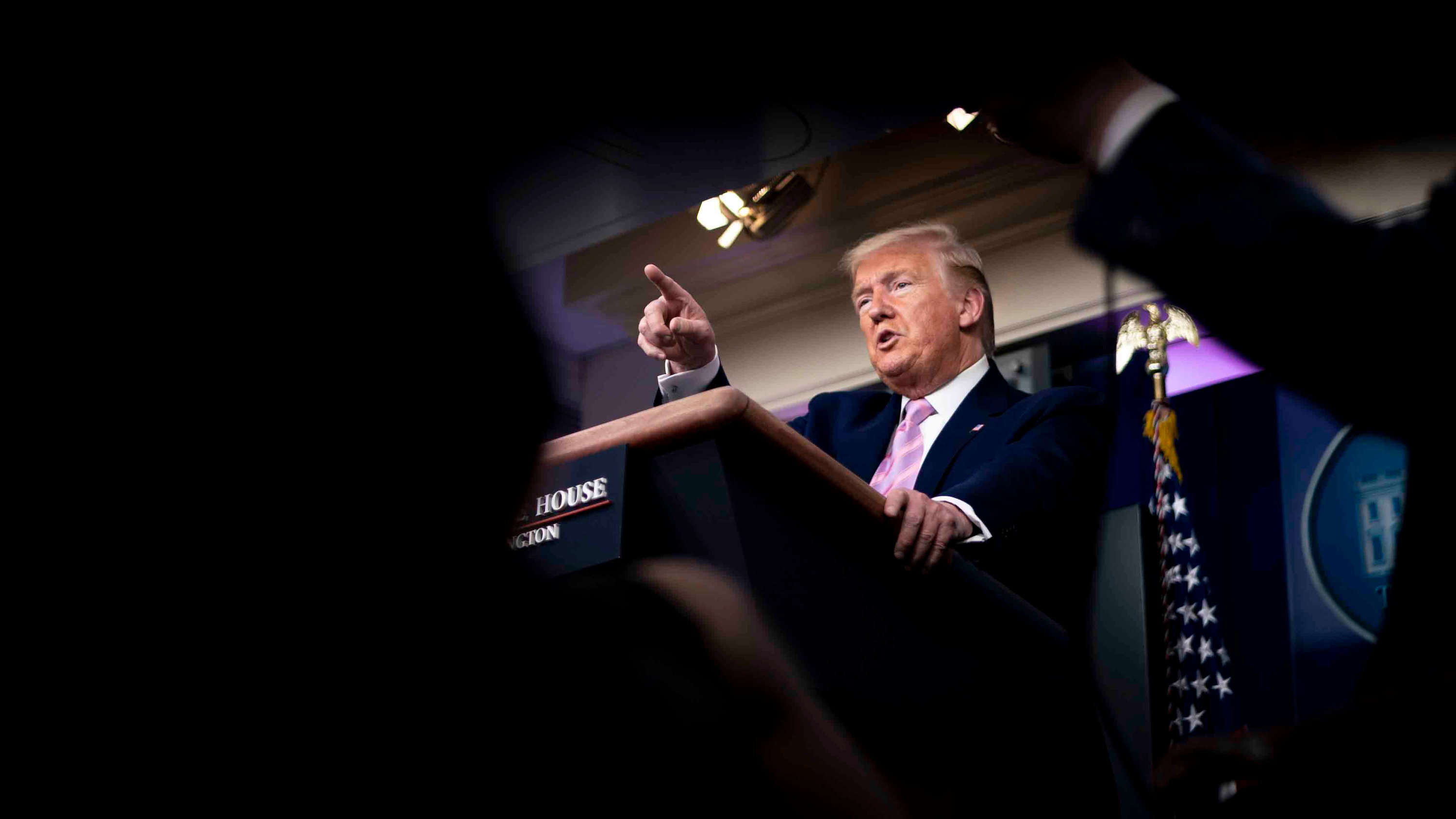
U.S. President Donald Trump's remarks regarding the targeting of civilian infrastructure in Iran have ignited widespread debate within the American military. These threats are seen as a clear call to commit war crimes, placing U.S. officers and soldiers in a precarious position where they must choose between following the orders of the Commander-in-Chief or rejecting them as illegal.
The escalation began when Trump set a deadline for Iran to open the Strait of Hormuz, threatening comprehensive strikes on power stations and bridges in the country. In a speech, Trump stated, "There will be nothing like it. Open the damn strait, you fools, or you will live in hell." These comments have raised significant concerns among legal experts, who argue that targeting critical infrastructure relied upon by civilians constitutes an act prohibited under international law.
Details of the Incident
In subsequent statements, Trump reaffirmed his intention to strike Iranian energy facilities simultaneously, saying, "We will hit every power station they have with great force and perhaps simultaneously." This assertion highlights the legal challenges faced by the U.S. military, as officers and soldiers must distinguish between military and civilian targets, which contradicts orders that may be issued by senior leadership.
Legal experts emphasize that orders involving the targeting of civilians are "clearly illegal," placing military personnel in a difficult position. While some soldiers in history have refused similar orders, taking such a stand requires significant individual courage in a military environment that relies on discipline.
Background & Context
These statements come amid institutional changes within the U.S. military, where several senior legal advisors have been dismissed and units focused on minimizing civilian harm have been disbanded. These changes may limit soldiers' options in confronting illegal orders, complicating the situation further.
Moreover, the intensity of Trump's rhetoric raises fears of a potential slide towards the use of more destructive weapons, including nuclear arms. The U.S. system grants the president direct authority to issue orders for the use of such weapons, raising concerns about hasty decisions in moments of tension.
Impact & Consequences
This crisis reveals the deep tension between political authority and the legal and ethical constraints of military action. Many are questioning the limits of obedience within modern armies and the role of individuals in preventing serious violations during crises. Historical experiences indicate that some soldiers may intervene to prevent egregious violations, as seen during the Vietnam War.
However, taking such a stance requires considerable individual courage, especially in a military environment based on strict discipline and a chain of command. The line between "illegal orders" and the gray areas of law may not always be clear at the moment of decision-making.
Regional Significance
These developments raise widespread concerns in the Arab region, where any military escalation could have serious repercussions for regional security. The use of military force against Iran could drag the region into a broader conflict, impacting the stability of neighboring countries.
In conclusion, this crisis underscores the urgent need to reassess the relationship between political authority and the military, ensuring that legal and ethical constraints remain at the core of military operations.