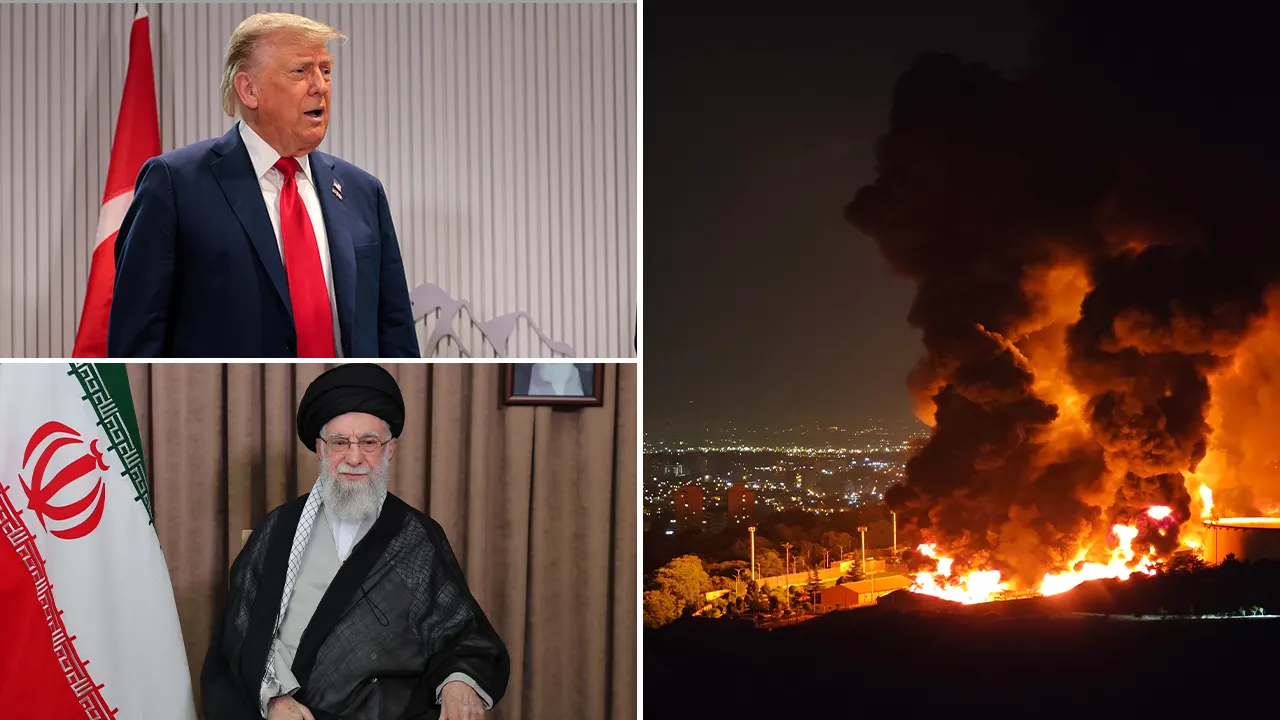
American writer Fred Zakaria, in an article for the Washington Post, asserts that President Donald Trump's threats towards Iran represent a "self-made disaster." Zakaria points out that the ongoing war with Iran exposes the limits of Trump's approach, which is characterized by threats and rapid retreats.
Zakaria describes Trump's crisis management style as reminiscent of the "red line" established by former President Barack Obama in Syria. Obama had warned against the use of chemical weapons but retreated from taking decisive action when this line was crossed.
Details of the Current Situation
Zakaria's remarks come at a time when U.S.-Iranian relations are experiencing heightened tensions, with threats escalating from both sides. The writer notes that Trump relies on a threat-based approach to pressure Iran, yet this method has proven ineffective in achieving U.S. foreign policy objectives.
Furthermore, Zakaria adds that Trump faces significant challenges in his policy towards Iran, as threats alone are insufficient to yield tangible results. In fact, these threats may escalate tensions rather than calm them, complicating the regional landscape.
Background & Context
Historically, U.S.-Iranian relations have been fraught with crises, starting from the Iranian Revolution in 1979 to the economic sanctions imposed by the United States due to Iran's nuclear program. These crises have led to increased military and political tensions between the two countries, making it difficult to achieve any form of stability in the region.
In recent years, the Trump administration has taken escalatory steps towards Iran, including the U.S. withdrawal from the nuclear agreement in 2018. This decision had significant repercussions on bilateral relations, with Iran ramping up its nuclear activities and announcing its non-compliance with previous agreements.
Impact & Consequences
Analyses suggest that Trump's threat-based approach could lead to counterproductive outcomes, potentially pushing Iran towards more aggressive actions. This style may also bolster hardliners within Iran, complicating efforts by moderates to make any progress in negotiations.
Moreover, the escalating tensions between the United States and Iran could impact regional security, potentially exacerbating conflicts in areas such as Iraq, Syria, and Lebanon. This, in turn, threatens stability across the entire region.
Regional Significance
Arab countries neighboring Iran, such as Saudi Arabia and the UAE, are among those most affected by U.S.-Iranian tensions. These nations are concerned about the rise in Iranian military activities and view any escalation as a threat to their national security.
The situation in Iraq and Syria remains complex, as any escalation between the U.S. and Iran could worsen conditions in these countries, increasing civilian suffering and complicating peace efforts.
In conclusion, Trump's approach to dealing with Iran faces significant challenges, as threats alone are inadequate for achieving U.S. foreign policy goals. The current situation requires more effective and flexible strategies to address the escalating crises in the region.