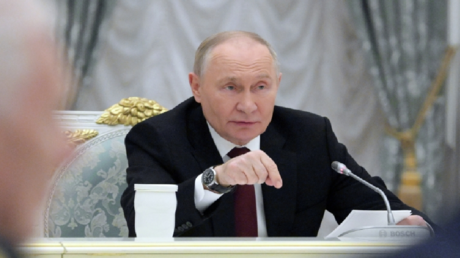
Russian President Vladimir Putin emphasized that U.S. President Donald Trump's proposals concerning the Ukrainian crisis require compromises from both parties, Moscow and Kyiv. These statements come at a sensitive time as international pressure mounts for a peaceful resolution to the ongoing conflict that has persisted for years.
In his remarks, Putin clarified that any settlement necessitates readiness from both sides to make concessions, reflecting the complexity of the existing situation. These comments arise amidst escalating military and economic tensions between Russia and Ukraine, which have significantly impacted regional and international security.
Details of the Event
Trump's proposals are part of broader U.S. efforts to mediate in the Ukrainian conflict, which began in 2014 following Russia's annexation of Crimea. The past years have seen an escalation in hostilities, resulting in numerous casualties and widespread destruction of infrastructure.
By stressing the need for concessions, Putin aims to convey that quick solutions will not be feasible without acknowledging the interests of each party. Furthermore, these statements come at a time when Russian-American relations are increasingly strained, complicating peace efforts.
Background & Context
Historically, relations between Russia and Ukraine have been tense, especially following the events in the country in 2014. The conflict in eastern Ukraine, which includes regions like Donetsk and Luhansk, has led to military interventions from both sides, further complicating peace initiatives.
In recent years, several countries, including the United States, have attempted to mediate the conflict, but the outcomes have been limited. Any comprehensive settlement requires addressing core issues, including the political status of disputed regions, recognition of cultural and linguistic rights of minorities, and ensuring security for both Russia and Ukraine.
Impact & Consequences
Putin's remarks indicate that Russia may be willing to consider new options for resolving the conflict, but they simultaneously reflect an unwillingness to make significant concessions without reciprocity. This stance could affect future peace efforts and complicate international relations.
If Ukraine responds positively to these calls, it may open the door for new negotiations; however, the risks remain high. Any escalation in the conflict could lead to serious repercussions for regional security and heighten tensions between Russia and the West.
Regional Significance
The Arab region is indirectly affected by developments in the Ukrainian conflict, as stability in Europe has implications for security and energy in the Middle East. Rising energy prices due to the conflict may impact Arab economies, particularly those reliant on oil exports.
Moreover, any escalation in the conflict could lead to an influx of refugees, potentially placing additional pressure on neighboring Arab countries. Therefore, monitoring developments in this context is vital for Arab states.
In conclusion, the Ukrainian crisis remains one of the most complex issues on the international stage, requiring ongoing efforts from all parties involved to achieve peace and stability.