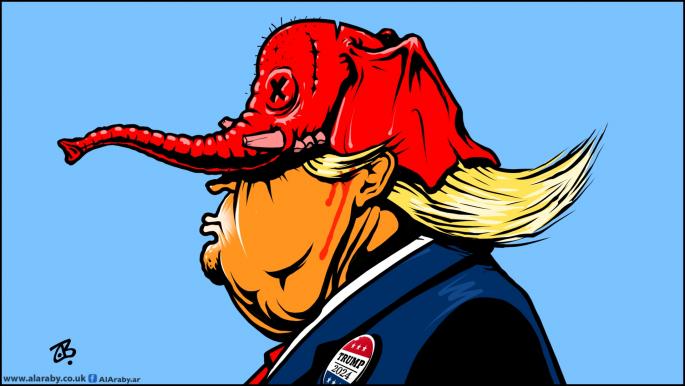
Donald Trump is considered one of the most controversial presidents in U.S. history, having ascended to the presidency without having run for any previous political office. This unconventional rise raises questions about his standing among great American presidents.
Trump, who took office in 2017, came from a business background and had no prior political history, making him a unique figure in the American political landscape. While some former presidents enjoy a strong reputation due to their political achievements, Trump remains surrounded by controversy and debate regarding his impact on American politics.
Details of Trump's Ascendancy
When discussing Trump, it is evident that his rise to the presidency was the result of several factors, including his unconventional use of media and his ability to connect with a broad base of supporters through social media platforms. This approach helped him gain the support of voters who felt disillusioned with the traditional political system.
Despite not having run in previous elections, Trump managed to win the presidential election in 2016, receiving significant support from voters seeking radical change in American politics. However, his presidency was not without controversy, as he faced numerous criticisms due to his contentious policies and statements.
Background & Context
Historically, reaching the U.S. presidency through a traditional political path has been common, with candidates typically progressing through political offices before reaching the pinnacle of power. However, Trump broke this mold, raising questions about the future of American politics and how the political landscape may change in the coming years.
It is worth noting that Trump was not the first American president to come from a non-political background, but his unique campaign management style and media usage made him stand out significantly. This reflects a shift in how voters interact with candidates and suggests the potential for new figures to emerge in the future.
Impact & Consequences
Trump's influence on American politics is undeniable. He sparked widespread debate on issues such as immigration, trade, and international relations. His policies also affected the relationships between the United States and other countries, leading to changes in traditional alliances.
Moreover, his presidency was filled with crises, ranging from investigations related to Russian interference in the elections to managing the COVID-19 pandemic. These events posed significant challenges for Trump and impacted his popularity, ultimately leading to his loss in the 2020 presidential election.
Regional Significance
Considering Trump's impact on foreign policy, his presidency witnessed notable changes in American relations with Arab countries. His administration took controversial steps, such as recognizing Jerusalem as the capital of Israel, which provoked strong reactions in the Arab world.
Additionally, Trump's policies towards Iran, which included the U.S. withdrawal from the nuclear agreement, escalated tensions in the region. These decisions had a significant impact on security and stability in the Middle East, raising questions about how future American presidents may influence the region.
In conclusion, Donald Trump remains a controversial figure in the history of the American presidency. His unconventional rise raises questions about the future of American politics and how the political landscape may change in the coming years. As discussions about his legacy continue, his impact on both domestic and foreign policy remains a topic worthy of attention.