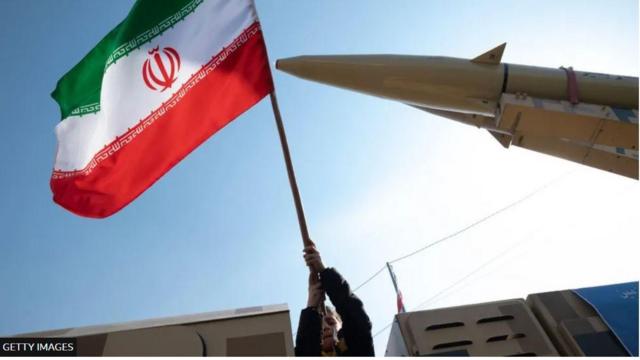
As tensions rise in the Gulf region, the relations between the United States and Iran have taken a serious turn after President Donald Trump threatened to destroy Iranian energy infrastructure. This threat came in response to Iran's closure of the vital Strait of Hormuz, through which approximately 20% of the world's oil flows. Trump set a 48-hour deadline for Tehran to open the strait, raising fears of military escalation with implications that could extend beyond regional borders.
This move comes as the war between the United States and Iran enters its fourth week. The United States seems to be betting on pressuring the Iranian regime by targeting energy production facilities, as opening the Strait of Hormuz is vital for the global economy and oil markets. In his statements, Trump confirmed that Iran's failure to respond to this ultimatum would lead to attacks on its energy stations.
In a tweet on the Truth Social platform, Trump stated that if Iran does not fully open the Strait of Hormuz without any threats, the U.S. will have severe options on the table, including the destruction of Iranian energy capabilities.
Current data also indicates that U.S. Secretary Scott Pientka has emphasized the administration's readiness to carry out a military escalation without any form of displacement. The military targets linked to the Iranian energy network may include around 110 facilities, most of which are located in critical electricity production sites.
Among the well-known stations is the Damavand station, located southeast of Tehran, which is the largest in Iran with a production capacity of 2868 megawatts. Other significant stations include the Shahid Salimi station in the north of the country and the only operational nuclear plant in Bushehr, which could also be a target.
On the other hand, Tehran does not seem to be standing idle, as it responded to Trump's threats with a warning of a counter-response to any attack on its infrastructure. In an official warning, Iranian military leadership pointed out that any targeting of its facilities would mean severe consequences for U.S. interests, including the closure of the Strait of Hormuz as a retaliatory step.
These events coincide with increasing pressures on oil prices, which have witnessed a sharp rise due to instability in the region. It is evident that the repercussions of escalating hostilities between Iran and the United States will affect both regional and global security.
A list of countries, including 22 European nations, has called on Iran to stop disrupting navigation in the Strait of Hormuz, warning that this interference poses a threat to international peace and security. This position reflects international concerns about the potential escalation of the situation, as speculations grow regarding the impact of this escalation on the global economy.
Meanwhile, Japan continues to take steps towards securing oil flows in the region, as the Japanese Foreign Minister announced the possibility of sending Self-Defense Forces to confront existing threats. These actions reflect the strategic importance of the Strait of Hormuz for countries that depend on oil as a key driver of their economies.
It is clear that the potential outcomes of this escalation could be deadly if threats are executed. Targeting infrastructure such as water or energy stations could lead to wider repercussions involving human conflict and economic chaos across the region.
Amid this rising escalation, global capitals are closely watching how matters will develop, especially with the dim hope of initiating diplomatic dialogue to reduce tensions and avoid a new confrontation that may lead to chronic humanitarian crises.