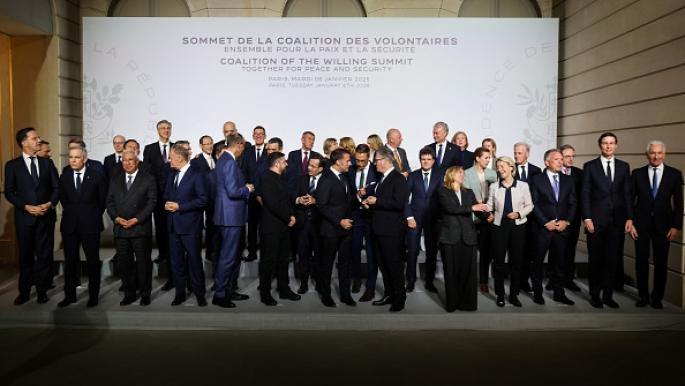
As the war on Iran enters its second month, the relationship between Europe and the United States is experiencing unprecedented turmoil. Increasing American pressures reflect a strategic shift in international politics, as European countries face significant challenges in maintaining their balance between commitments to Washington and economic interests with Tehran.
European fears are growing that the US's hardline policies towards Iran could exacerbate conditions in the region, negatively impacting security and stability in Europe itself. This new dynamic raises questions about the ability of European countries to maintain the independence of their decision-making under American pressures.
Details of the Event
Since the beginning of the war, the United States has shown a strong desire to bolster its military and economic position against Iran, prompting European nations to reassess their strategies. Washington has issued a series of sanctions targeting vital sectors of the Iranian economy, affecting trade relations between Iran and European countries.
At the same time, European nations are striving to maintain the nuclear agreement with Iran, which is considered one of the major diplomatic achievements in recent years. However, American pressures make it difficult for these countries to take effective steps to preserve this agreement, increasing uncertainty in international relations.
Context and Background
Historically, relations between Europe and the United States have relied on close cooperation in security and economic fields. However, with rising tensions in the Middle East, these relations are being put to the test. Since the US withdrawal from the nuclear agreement in 2018, European countries have begun to worry about the potential collapse of this agreement, which could lead to a new arms race in the region.
Moreover, the recurring crises in the Middle East, including conflicts in Syria and Yemen, have complicated the situation further. These crises compel European nations to consider new strategies to address the increasing security challenges.
Consequences and Impact
Many analyses predict that this crisis will lead to radical changes in European foreign policy. European countries may be forced to adopt more independent stances from the United States, potentially reshaping traditional alliances. In this context, some European nations may seek to strengthen their relations with other powers such as China and Russia.
Furthermore, the continuation of American pressures could exacerbate humanitarian crises in Iran, negatively impacting regional security. These dynamics may lead to increased tensions between major powers, threatening global stability.
Impact on the Arab Region
The Arab region is among the most affected by the developments of the war on Iran. Ongoing conflicts in Yemen, Syria, and Iraq intersect with the situations in Iran, complicating the regional landscape. Arab countries, especially those with relations with Iran, face significant challenges in how to deal with these situations.
Additionally, American pressures on Iran may lead to increased tensions between Arab states and Iran, negatively impacting peace and stability efforts in the region. In this context, Arab countries must consider new strategies to address these challenges, including enhancing regional cooperation.
In conclusion, the current crisis between Europe and the United States regarding Iran represents a turning point in international politics. European and Arab nations must think deeply about how to navigate these new dynamics to ensure their national interests in changing circumstances.