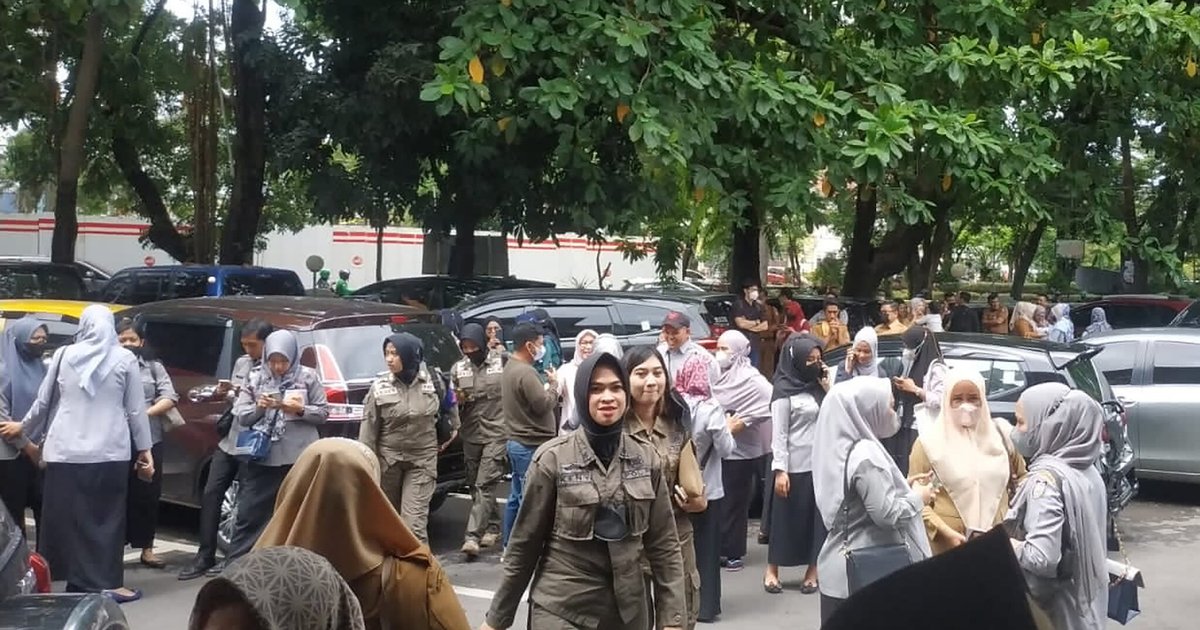
The Indonesian Meteorology Agency (BMKG) has reported that seven areas in the provinces of North Maluku and North Sulawesi in Indonesia are under a potential tsunami threat. This warning came after a magnitude 7.6 earthquake struck in the waters near the city of Bitung, causing considerable alarm among local residents.
According to Mohammad Zulkifli, the coordinator of the data and information section at the Geophysical Station in Manado, the affected areas include Ternate, Halmahera, and Tidore in North Maluku province, as well as the city of Bitung, South Minahasa municipality, and North Minahasa.
Details of the Event
The earthquake occurred at 06:48 AM local time, and residents in the city of Manado felt it distinctly. This earthquake triggered widespread concern, leading to urgent warnings for residents in at-risk areas. Local authorities urged citizens to exercise caution and avoid approaching damaged or potentially collapsing buildings due to the tremors.
Zulkifli also emphasized the importance of relying on official information from the meteorological agency, warning against rumors that could incite panic among the population. He urged citizens to check the safety of their homes before returning, especially if they had sustained damage from the earthquake.
Background & Context
Indonesia is considered one of the most earthquake and tsunami-prone countries due to its geographical location on the Pacific Ring of Fire, where tectonic plates meet. Historically, the country has experienced numerous devastating earthquakes and tsunamis, resulting in significant human and material losses. In 2004, Indonesia witnessed a catastrophic tsunami in the Aceh region, which claimed the lives of over 230,000 people.
The Indonesian government continues to implement ongoing preventive measures to address these natural disasters, including improving early warning systems and educating citizens on how to respond in emergencies. However, challenges remain, particularly in remote areas that may lack the necessary infrastructure for rapid response.
Impact & Consequences
The recent earthquake and its aftermath can have significant effects on local communities, including economic and psychological losses. People living in at-risk areas may suffer from ongoing anxiety and stress due to recurring threats. Additionally, damage to buildings and infrastructure can impact the daily lives of residents.
Furthermore, tsunami warnings may lead to evacuations of coastal areas, causing disruptions in economic and social life. It is crucial for local authorities to collaborate with humanitarian organizations to provide necessary support to affected populations.
Regional Significance
Although Indonesia is far from the Arab world, natural events such as earthquakes and tsunamis remind us of the importance of preparedness for disaster response. These events can serve as a motivation for Arab countries to enhance early warning systems and emergency planning, especially in earthquake-prone regions.
In conclusion, hope remains in the ability of local communities and governments to address these natural challenges and provide a safe and stable environment for their populations.