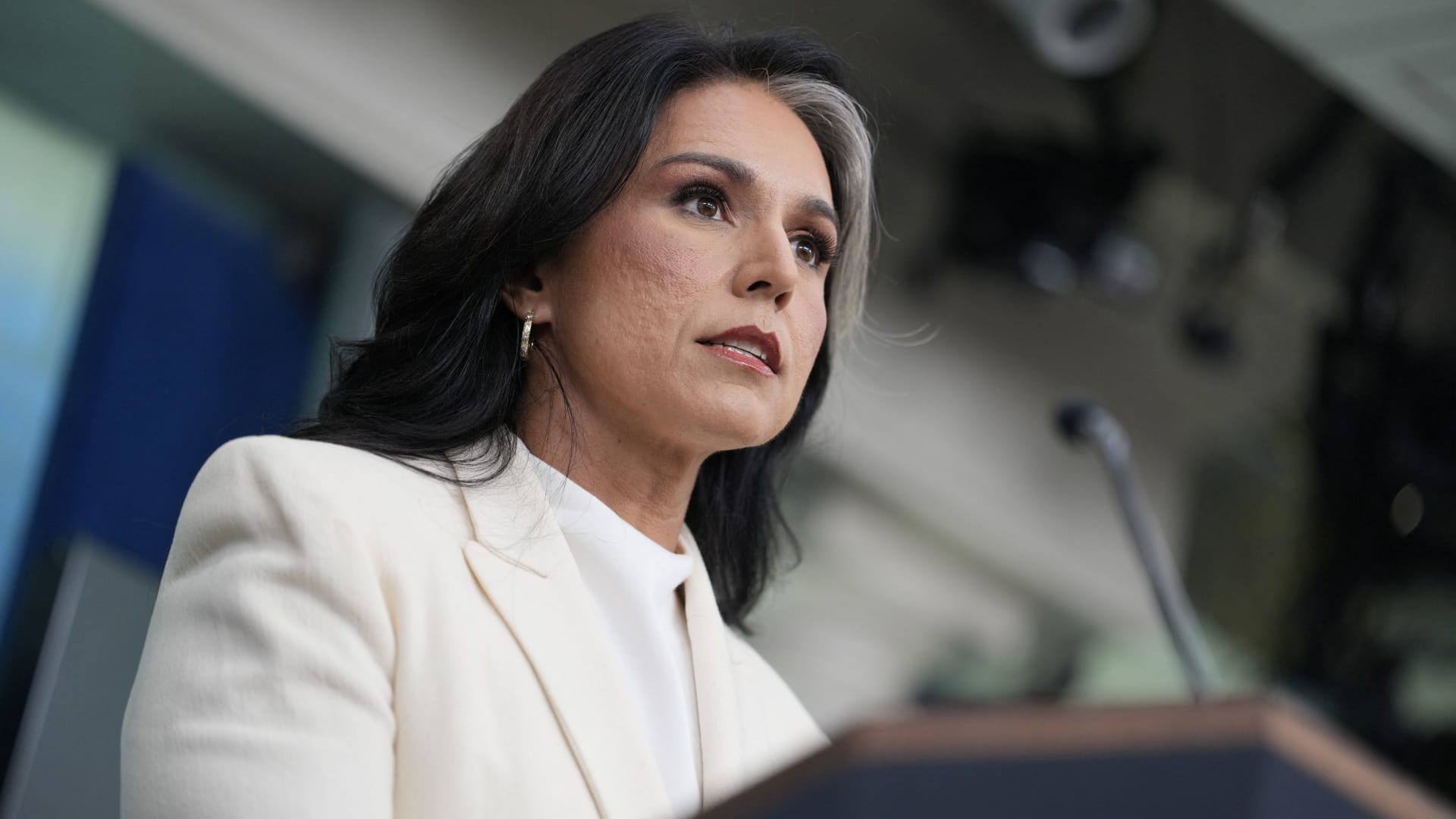
Tulsi Gabbard, the current US National Intelligence Director, has announced her resignation from her position in a surprising move that comes at a sensitive time. The resignation is to support her husband, who is facing a tough battle against a rare form of bone cancer, according to a White House official.
Gabbard, who was one of the prominent figures in the administration of President Donald Trump, informed Trump during a meeting at the Oval Office that she would be leaving her position, with her last day of work expected to be 30 June. This decision reflects the personal challenges Gabbard is facing, which could impact her future political career.
Event Details
Gabbard is considered one of the controversial figures in American politics, having held her position for a significant period. Her resignation comes at a time when the United States is experiencing significant political and economic tensions. Neither the White House nor the Office of the National Intelligence Director has commented on the resignation, adding to the mystery surrounding the reasons behind this sudden decision.
It is worth noting that Gabbard had previously been controversial due to her political stances, including her criticism of American wars in the Middle East. However, her decision to resign comes in a purely personal context, where she prioritizes her family.
Background & Context
Tulsi Gabbard, who was once a prominent member of the Democratic Party, later moved to the Republican Party. She gained widespread recognition during her presidential campaign in 2020, where she advocated for ending foreign wars and focusing on domestic issues. Her resignation from her position as National Intelligence Director reflects a significant shift in her career, especially under the difficult health conditions her husband is facing.
Historically, the United States has seen several sudden resignations from government positions, often due to personal or health reasons. However, Gabbard's resignation comes at a critical time as the current American administration seeks to strengthen its stability amidst increasing challenges.
Impact & Consequences
Gabbard's resignation could have a significant impact on the Trump administration, particularly in the area of national intelligence. The position of National Intelligence Director is crucial and affects American national security. Gabbard's absence could lead to a restructuring within the administration, which might influence American foreign and security policies.
Furthermore, this resignation could affect Trump's image in the eyes of voters, as the resignation of a prominent figure in his administration could be seen as a sign of weakness or instability. This could impact Trump's chances in future elections, especially given the intense competition from the Democrats.
Regional Significance
The United States is a major player in Middle Eastern politics, and Gabbard's resignation could affect American relations with Arab countries. Gabbard was known for her opposition to American military interventions in the region, and her resignation might signify changes in American policies towards the Middle East.
Given the current tensions in the region, this resignation could have implications for how the American administration handles sensitive issues such as the Israeli-Palestinian conflict and crises in Syria and Libya. It is crucial to follow upcoming developments to understand how this resignation will affect American policy in the region.
In conclusion, Tulsi Gabbard's resignation from her position as US National Intelligence Director reflects the personal challenges she is facing, as well as the potential impacts on American politics and international relations. It remains to be seen how things will evolve in the coming days and weeks.