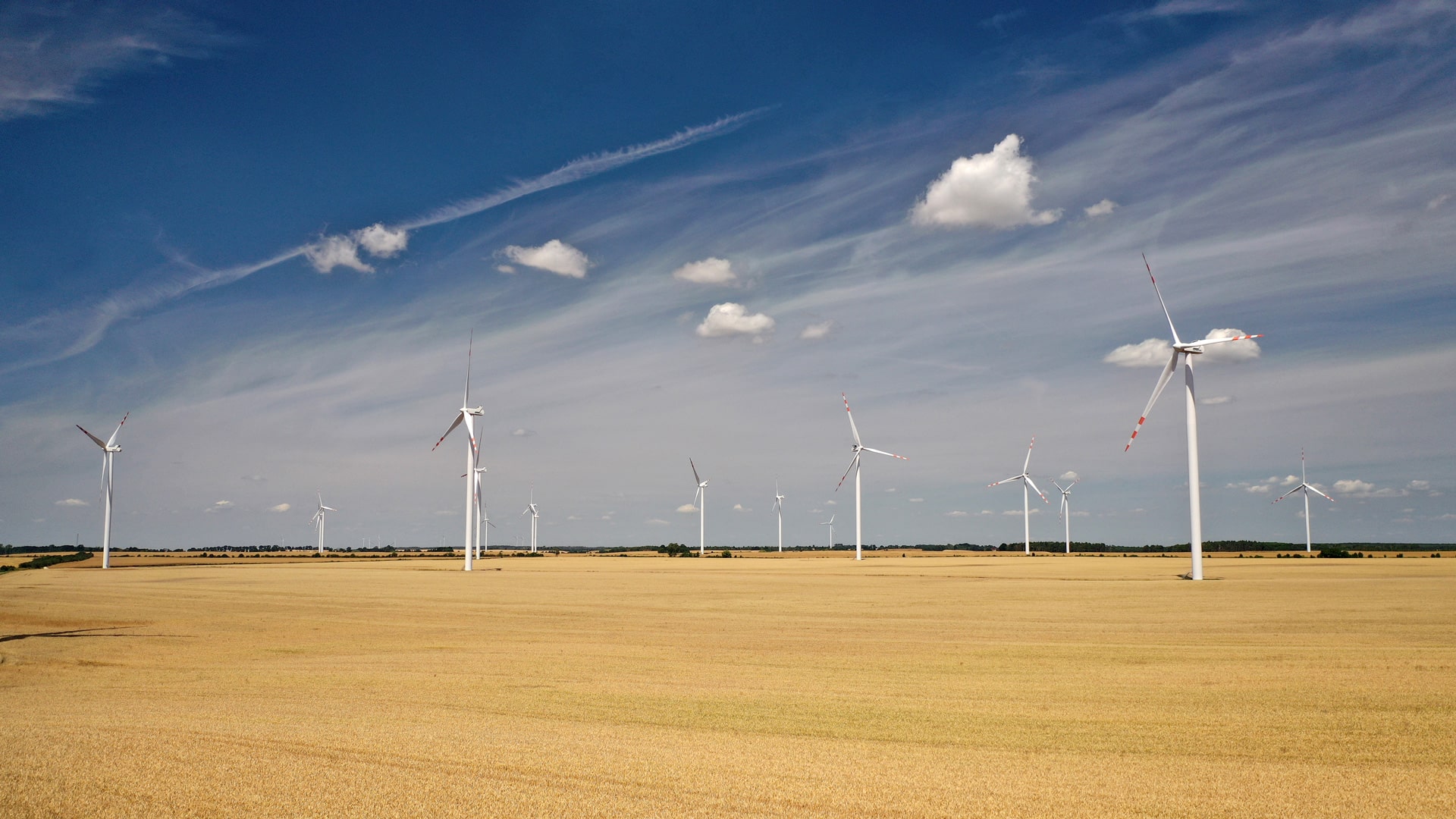
Tunisia faces significant challenges due to the repercussions of the Iranian war and the current geopolitical crises, prompting the government to accelerate its energy transition efforts. The country aims to reduce its dependence on energy imports, which constitute a heavy burden on the national economy.
Energy is considered one of the essential elements in economic development, and with increasing global pressures, Tunisia must take serious steps towards achieving energy independence. With the rise in global energy prices, it has become crucial for Tunisia to seek alternative and sustainable energy sources.
Details of the Initiative
Reports indicate that Tunisia has already begun implementing new strategies aimed at enhancing the use of renewable energy. These strategies include increasing reliance on solar and wind energy, as the country possesses significant potential in this field. The government is also working to encourage investments in renewable energy projects, contributing to the creation of new job opportunities and boosting economic growth.
The plans also involve improving energy consumption efficiency across various sectors, including industry and transportation. These efforts are expected to help reduce Tunisia's energy bill, which suffers from a significant trade deficit due to high costs of imported energy.
Background & Context
Historically, Tunisia has relied heavily on energy imports, making it vulnerable to fluctuations in oil and gas prices. In recent years, the country has experienced several economic crises, increasing the need for effective strategies for sustainable development. Additionally, the Iranian war has exacerbated geopolitical conditions, putting further pressure on the Tunisian economy.
Tunisia also seeks to achieve the sustainable development goals set by the United Nations, which include improving access to clean and sustainable energy. These goals are part of Tunisia's Vision 2030, which aims to enhance economic growth and achieve sustainable development.
Impact & Consequences
If Tunisia succeeds in achieving its energy transition goals, it will significantly improve the economic situation. Renewable energy will help reduce dependence on imports, thereby enhancing economic independence. Furthermore, the shift to clean energy sources will contribute to environmental improvement and reduce carbon emissions.
However, challenges remain, as the energy transition requires substantial investments and international cooperation. Tunisia needs technical and financial support from developed countries and international organizations to achieve these ambitious goals.
Regional Significance
Tunisia's experience in energy transition serves as a model for other Arab countries facing similar challenges. Tunisia's successes can inspire other nations to adopt similar strategies, thereby enhancing regional efforts towards achieving energy sustainability.
Ultimately, the energy transition in Tunisia represents an important step towards achieving sustainable development and reflects the global shift towards clean energy sources. If Tunisia can overcome current challenges, it will become a leader in this field at the regional level.