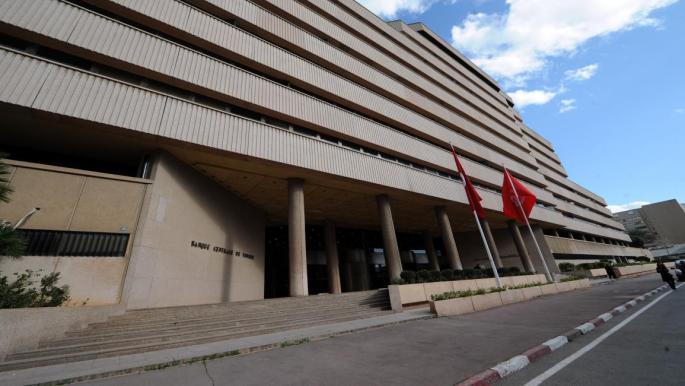
The Tunisian Central Bank has taken new measures to tighten restrictions on financing imports of several goods classified as 'non-priority'. This step comes amid increasing pressures on the country's external finances, alongside a scarcity of available financial resources.
These measures aim to regulate the import process of goods, as the Tunisian economy faces significant challenges related to the balance of payments, necessitating strict measures to preserve cash reserves.
Details of the New Restrictions
Under these restrictions, importers will be required to submit special requests to obtain financing for importing non-essential goods, which will lead to a reduction in the volume of imports of these items. The Central Bank has indicated that this step aims to direct financial resources towards essential goods needed in the local market.
These measures come at a time when Tunisia is suffering from a severe economic crisis, with the value of the Tunisian dinar declining and inflation rates rising, negatively impacting the purchasing power of citizens. Many economists have expressed concern about the potential effects of these restrictions on the local market.
Background & Context
Historically, Tunisia has faced numerous economic challenges since the revolution that erupted in 2011. Despite efforts to achieve economic stability, the country still struggles to attract foreign investments and improve the business environment.
In recent years, pressures on public finances have increased due to rising public debt and declining revenues. This has led the government to implement several austerity measures, including reducing subsidies on some essential goods.
Impact & Consequences
These restrictions are expected to significantly affect importers, as they may lead to price increases in the local market due to reduced imports. Furthermore, these measures could exacerbate the economic conditions for citizens, who are already facing rising living costs.
In the long term, these policies may impact economic growth, as they will reduce companies' ability to import raw materials and necessary goods, potentially affecting local production.
Regional Significance
Tunisia serves as an example of the economic challenges faced by many Arab countries, as many of these nations experience similar financial pressures. These policies could worsen economic conditions in the region, necessitating coordinated efforts among Arab countries to improve economic situations.
In conclusion, this step by the Tunisian Central Bank represents part of a larger response to the economic challenges facing the country, but it simultaneously raises concerns about its impact on the local market and the welfare of citizens.