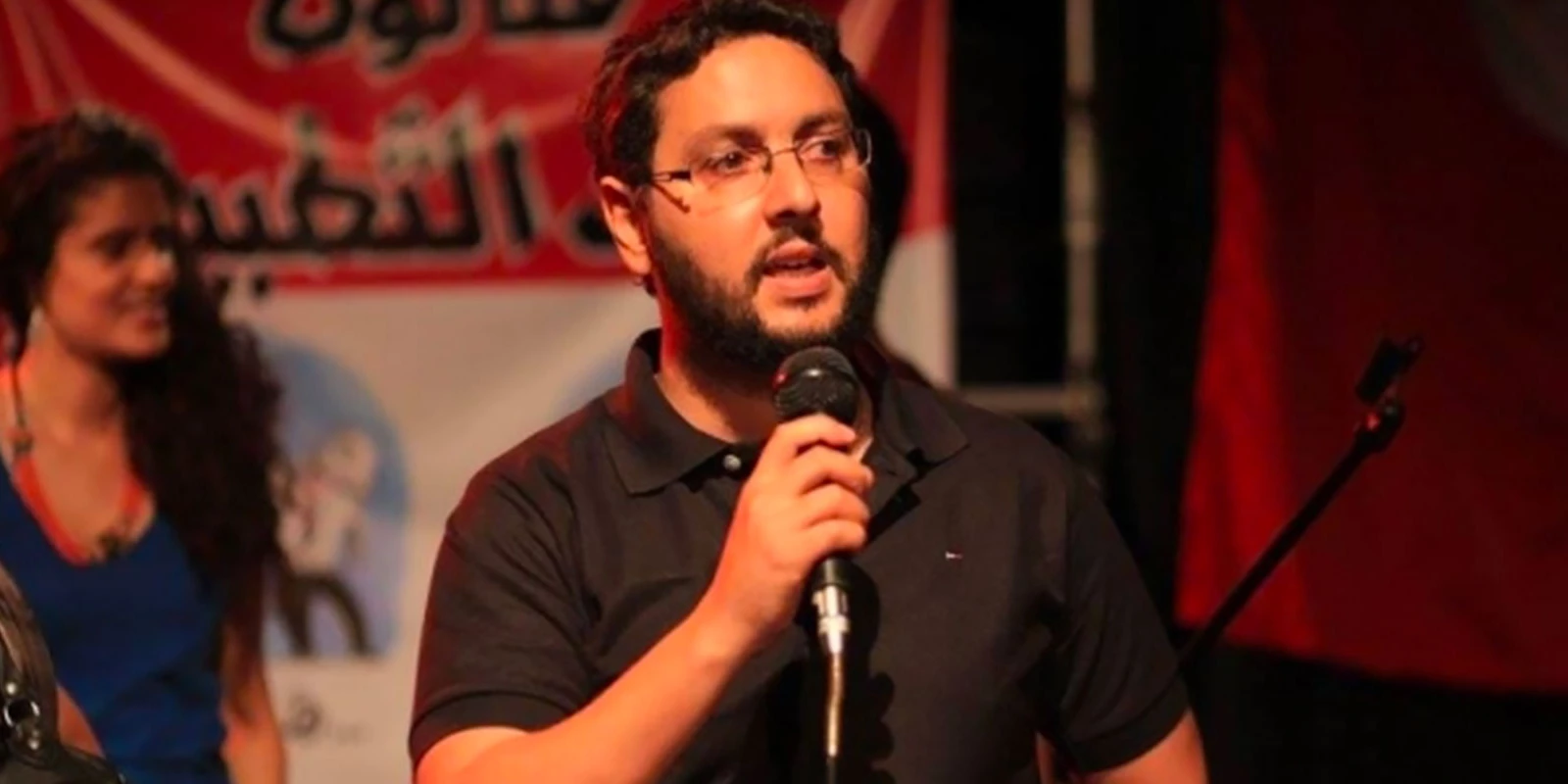
A primary court in the Tunisian capital has sentenced journalist Ghassan Ben Khalifa, editor of the online site 'Inhiyaz', to two years in prison for publishing news that the court considered "false." This ruling has drawn widespread condemnation from human rights organizations, which view the decision as a violation of freedom of expression.
The Arab Organization for Human Rights in Britain expressed deep concern over the ruling in a report, indicating that such decisions reflect a regression in press freedom in Tunisia, which was once seen as a model of democracy in the region following the revolution.
Details of the Case
In the details of the case, the court accused Ben Khalifa of disseminating incorrect information related to a political event in the country, which it regarded as a threat to public security. The complaint against the journalist was filed by a government official, raising questions about the motives behind the case and the independence of the judiciary.
It is noteworthy that Ghassan Ben Khalifa published the news as part of his coverage of ongoing political events, which raises questions about the limits of press freedom in Tunisia, especially amid the tense political climate.
Background & Context
Tunisia, which witnessed a revolution in 2011, was considered a beacon of freedom and democracy in the Arab world. However, recent years have seen a marked decline in freedom of expression, with numerous journalists and activists being arrested. This ruling comes at a sensitive time, as fears grow over the deterioration of human rights in the country.
In recent years, many media outlets have faced pressure from both the government and other entities, leading to a decline in press freedom. International reports have indicated that Tunisia has dropped in press freedom rankings, raising concerns about the future of democracy in the country.
Impact & Consequences
This ruling could have serious implications for journalism in Tunisia, potentially leading to increased self-censorship among journalists. Additionally, this case may affect Tunisia's international reputation, as it will be seen as an example of the decline of freedom of expression in the region.
This case is expected to provoke strong reactions from human rights organizations, which may pressure the Tunisian government to reconsider its policies towards the press. Furthermore, this ruling could encourage other regimes in the region to take similar actions against journalists and activists.
Regional Significance
Press freedom is considered one of the main indicators of democracy, and thus its decline in Tunisia could impact neighboring countries. If these trends continue, we may witness further repression against journalists in other countries in the region, hindering reform and democratic efforts.
The situation in Tunisia could serve as a wake-up call for other Arab countries, as governments must realize that suppressing freedom of expression will only lead to increased public discontent and protests.
In conclusion, the future of press freedom in Tunisia and the fate of journalists there hang in the balance, necessitating international pressure on the Tunisian government to ensure the protection of journalists' rights and to promote freedom of expression.