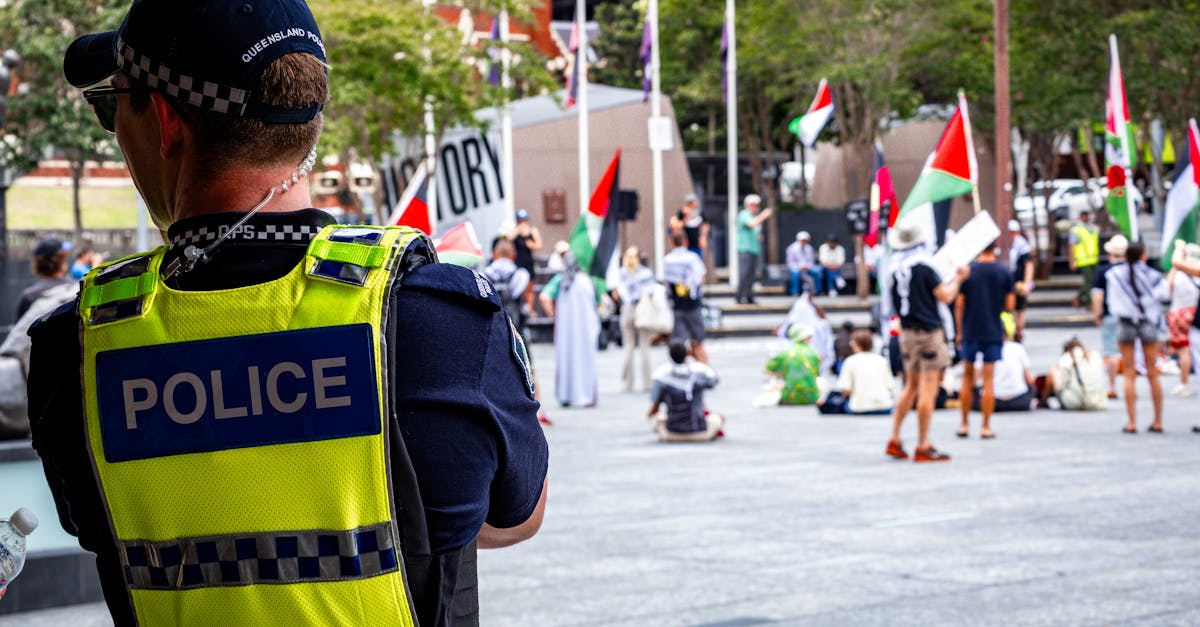
The law permitting the execution of Palestinian prisoners, approved by the Israeli Knesset last Monday, has triggered a wave of anger and protests in Tunisia. Hundreds of Tunisians took to the streets to express their rejection of this law, which many consider a flagrant violation of human rights.
Protesters gathered in several Tunisian cities, holding banners calling for solidarity with Palestinian prisoners and emphasizing the need to resist this law that threatens the lives of many inmates. They pointed out that this law is part of the Israeli occupation's policy targeting Palestinians and exacerbating their suffering.
Details of the Event
In a controversial move, the Israeli Knesset approved a law allowing the execution of Palestinian prisoners convicted of crimes related to military operations against the occupation. This decision has elicited widespread reactions across the Arab world, where many view it as a new escalation in the occupation's policies.
The protests in Tunisia saw broad participation from various social groups, including youth and women, who gathered in public squares to voice their opposition to this law. Numerous Tunisian human rights organizations have stressed the importance of standing with Palestinian prisoners and rejecting any violations of their rights.
Background & Context
Historically, the Palestinian cause has witnessed numerous violations by the Israeli occupation, including arbitrary arrests and executions. Palestinian prisoners are seen as symbols of resilience and resistance against the occupation, with their current number estimated at over 4,500 inmates in Israeli prisons.
In recent years, the intensity of Israeli violations has escalated, leading to increased Arab and international awareness regarding the rights of prisoners. These violations have contributed to strengthening Arab solidarity with the Palestinian cause, as many countries seek to support Palestinian rights in international forums.
Impact & Consequences
The approval of this law is viewed as an escalation in Israeli occupation policies and may lead to a worsening situation in the Palestinian territories. Additionally, the angry reactions in Arab countries could affect relations between Arab states and Israel, especially amid current tensions in the region.
Protests are expected to increase in Tunisia and other Arab countries, potentially contributing to a stronger popular movement against the Israeli occupation. Furthermore, this law may raise concerns within the international community and increase pressure on Israel to halt its violations.
Regional Significance
This law serves as a wake-up call for Arab countries, reflecting the rising Israeli violations against Palestinians. It may stimulate further popular movements in Arab nations, as citizens seek to express their support for the Palestinian cause.
This situation could also impact relations between Arab countries and Israel, particularly given some nations' attempts to normalize relations with the occupation. There is an urgent need to enhance Arab solidarity and unify efforts to support Palestinian rights.
In conclusion, hope remains that the international community can pressure the Israeli occupation to cease its violations and that Palestinians can reclaim their legitimate rights.