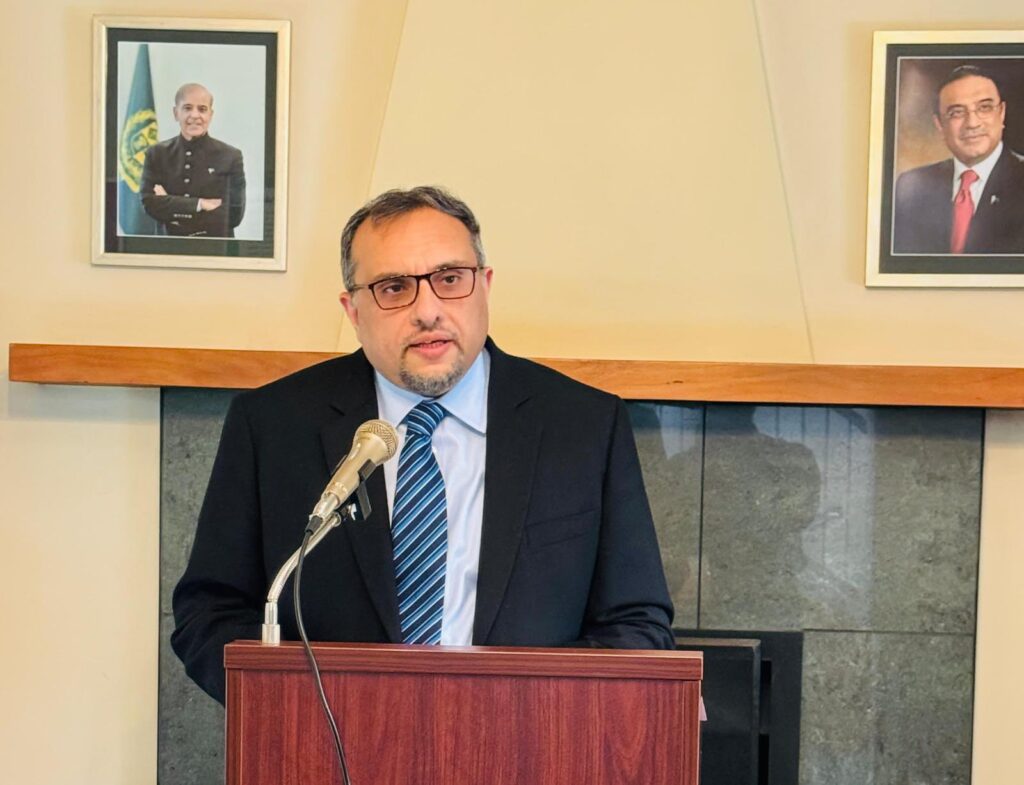
The foreign ministers of Turkey, Egypt, and Saudi Arabia convened in Pakistan to discuss developments in the Iran war and its regional implications. This meeting comes at a critical time marked by increasing tensions in the region, as the three leaders seek to coordinate their positions and exchange views on how to address the escalating crises.
These discussions coincide with the intensification of the conflict in Iran, which has significantly impacted security and stability in the region. During the meeting, the ministers emphasized the importance of dialogue and cooperation among Arab and Turkish countries to confront common challenges.
Details of the Meeting
The meeting took place in the Pakistani capital of Islamabad, where a range of regional and international issues were discussed, including the situation in Iran and its effects on neighboring countries. The necessity of enhancing security and intelligence cooperation among the three countries to counter potential threats was underscored.
The humanitarian situations in the conflict-affected areas were also reviewed, with ministers highlighting the importance of providing support and humanitarian aid to those affected. A joint committee was agreed upon to follow up on these issues and provide necessary recommendations.
Background & Context
Iran has long been experiencing internal and external tensions, with rising popular protests against the government, alongside international pressures stemming from its nuclear program. These circumstances raise concerns among neighboring countries, especially with increasing fears of chaos spilling over into other regional states.
Historically, relations between Turkey, Egypt, and Saudi Arabia have been tense at times; however, these meetings reflect a desire to move past disagreements and focus on shared issues. This meeting is part of the three countries' efforts to enhance regional cooperation in addressing security and economic challenges.
Impact & Consequences
These consultations could lead to the formation of new alliances in the region, as each minister aims to bolster stability in their respective countries. Additionally, coordination among these nations may help reduce tensions and enhance the prospects for peace in the area.
Furthermore, the success of these meetings could pave the way for increased cooperation between Arab countries and Turkey, potentially altering the balance of power in the region. Any positive steps taken may also lead to improvements in humanitarian conditions in the conflict-affected areas.
Regional Significance
These meetings are a significant step in the context of Arab-Arab relations, as Arab nations seek to strengthen cooperation among themselves to tackle common challenges. The coordination between Turkey, Egypt, and Saudi Arabia could have a positive impact on the situations in neighboring countries, such as Iraq and Syria.
In conclusion, these meetings remain an indicator of the three countries' desire to enhance regional cooperation, which may contribute to achieving stability and peace in the area. Monitoring the outcomes of these consultations will be crucial for observing developments in the Middle East.