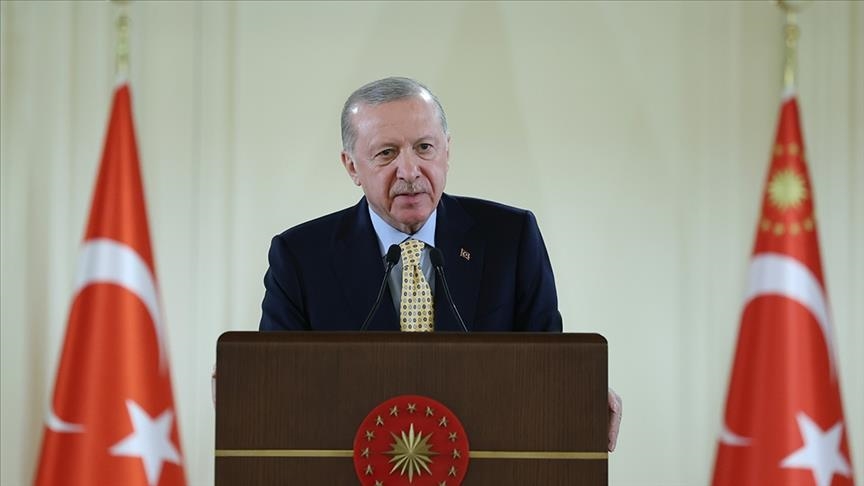
Turkish President Recep Tayyip Erdoğan announced the achievements of the 'Zero Waste' initiative launched in 2017, which has successfully recovered approximately 90 million tons of waste, contributing to a boost in the Turkish economy by 365 billion Turkish Lira. This announcement was made during the celebration of the International Zero Waste Day, where Erdoğan emphasized the importance of this initiative in improving the environment and raising environmental awareness in society.
The 'Zero Waste' initiative is considered one of the pioneering projects launched by the Turkish government aimed at reducing waste and promoting recycling. This initiative has witnessed significant success across various Turkish cities, where recycling centers have been established and citizens have been educated on the importance of environmental conservation.
Event Details
During the celebration, Erdoğan pointed out that the initiative was not limited to waste recovery but also included improving the quality of life in cities. Awareness programs were implemented for citizens on how to reduce and reuse waste. Additionally, substantial budgets were allocated to support these environmental projects.
He added that the initiative has contributed to the creation of new job opportunities in the recycling sector, reflecting the Turkish government's commitment to achieving sustainable development. He affirmed that these efforts will continue in the future to achieve larger goals in environmental protection.
Background & Context
The 'Zero Waste' initiative was established in 2017 as part of Turkey's strategy to address environmental challenges. This initiative comes amid growing global concerns about climate change and environmental degradation. Studies have shown that effective waste management can help reduce carbon emissions and improve air quality.
Through this initiative, Turkey aims to be a model for the region, as many Arab countries face similar challenges in waste management. Turkey has drawn inspiration from the experiences of other countries in this field, which has helped it develop effective strategies.
Impact & Consequences
The results of the 'Zero Waste' initiative serve as an indicator of governments' ability to achieve positive change in society. Recovering 90 million tons of waste is not only an environmental achievement but also has economic and social implications. This success reflects the Turkish government's capacity to manage resources effectively and achieve sustainable development.
This initiative may also open doors for new investments in the environmental sector, further boosting the national economy. This success is evidence of the importance of collaboration between the government and civil society in achieving environmental goals.
Regional Significance
Arab countries face significant challenges in waste management, as they are among the largest waste-producing nations in the world. Therefore, Turkey's experience with the 'Zero Waste' initiative can serve as a model for Arab countries. Arab nations can benefit from this experience by adopting similar strategies to improve waste management and enhance environmental awareness.
In conclusion, the 'Zero Waste' initiative in Turkey highlights the importance of collective action and cooperation between the government and society to achieve environmental and economic objectives. The success of this initiative is a significant step towards a more sustainable future.