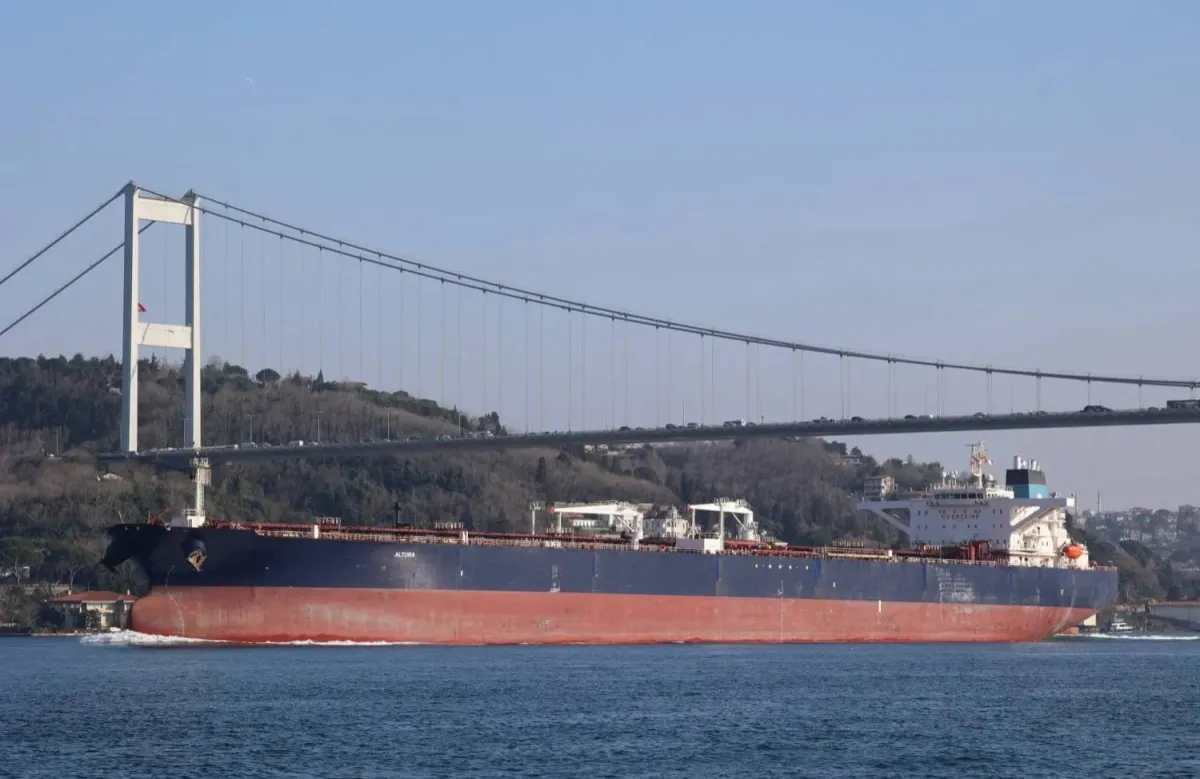
Turkey has denied any NATO involvement in the establishment of a 'Multinational Ukraine Force' currently being formed by a 'coalition of willing nations'. It reiterated that its security approach in the Black Sea, implemented since the onset of the war between Russia and Ukraine, remains unchanged, emphasizing its commitment to the Montreux Convention and the principle of territorial ownership.
A responsible source from the Turkish Ministry of Defense stated that some assessments appearing in media and social media platforms may confuse Turkey's contributions to NATO with those of the 'coalition of willing nations', pointing out that all activities in the Black Sea are conducted in accordance with the principles of territorial ownership and the 1936 Montreux Convention.
Details of the Event
The source clarified that Turkey's understanding of security in the Black Sea relies on maintaining the balance and stability provided by the Montreux Convention, which regulates the movement of ships through the straits. It confirmed that this approach has helped prevent the Black Sea from becoming a large-scale conflict zone as it had in the past, with Turkey firmly applying the provisions of the convention, thus preventing the conflict from extending to the maritime dimension.
The Montreux Convention allows warships from non-littoral states to pass through the Dardanelles and Bosphorus straits, provided that Turkey is notified of the passage 15 days in advance, and that they remain in the Black Sea for no more than 21 days. In March 2022, Turkey informed all countries not to send their warships to transit through Turkish straits due to the war between Russia and Ukraine.
Context and Background
These statements come at a time when the Black Sea is witnessing mutual targeting between Russia and Ukraine, with oil tankers and commercial ships being attacked, some of which occurred in Turkey's exclusive economic zone. Turkey has warned against the continuation of these attacks, stressing that they pose a threat to regional security.
The Turkish military source also denied any NATO connection to the 'Multinational Ukraine Force', which includes 33 countries and is set to be managed from an operations center in Paris. It noted that Turkey will lead the maritime component of this force, aiming to maintain security and stability in the Black Sea.
Impact and Consequences
Turkey's adherence to the Montreux Convention is seen as a strategic step aimed at enhancing its role as a key player in the region, especially amid increasing tensions between Russia and Ukraine. This approach reflects Turkey's desire to maintain a balance of power in the Black Sea, which may influence its relations with other countries concerned about regional security.
Moreover, the establishment of a task force focused on mine countermeasures in the Black Sea, which began its work in July 2024, reflects Turkey's commitment to cooperating with its neighbors in addressing shared security challenges, potentially contributing to enhanced stability in the region.
Impact on the Arab Region
Developments in the Black Sea are of particular importance to the Arab region, as any escalation in tensions could impact energy prices and global supplies. Additionally, stability in the Black Sea could contribute to enhancing regional security, positively affecting Arab countries that rely on energy imports.
In conclusion, Turkey remains committed to its security approach in the Black Sea, reflecting its strategy to maintain regional stability and enhance its role as an influential power in the area.