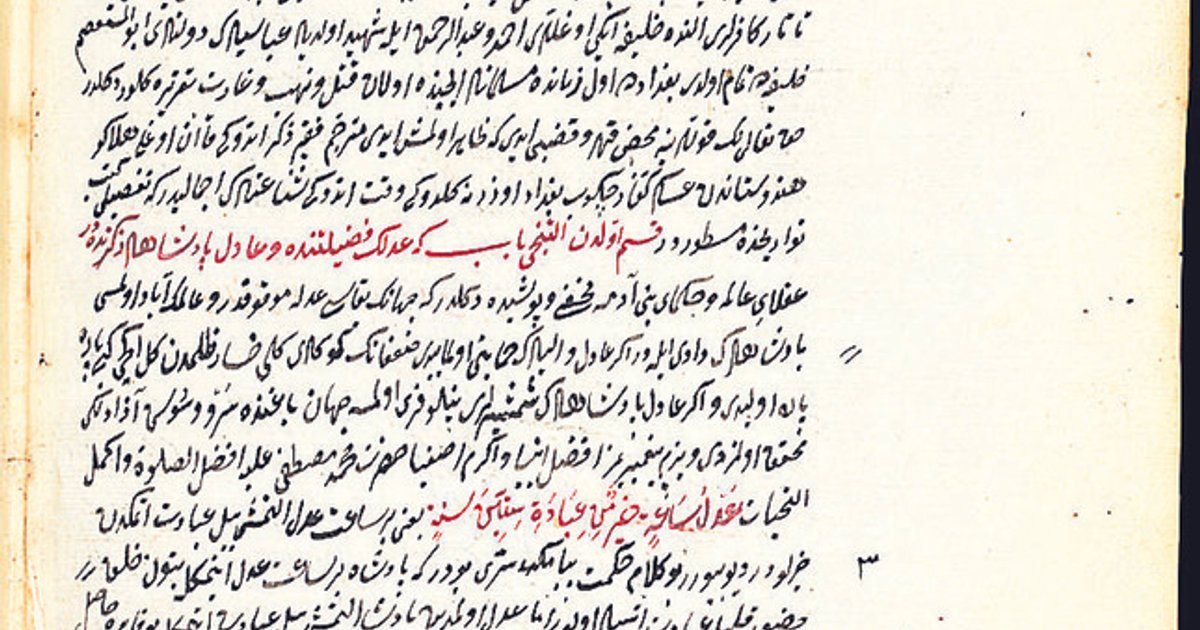
Turkey has recovered 11 cultural artifacts from Canada, including seven manuscript pages and two rare prints. The handover took place in the Canadian capital of Ottawa after a court ruling in favor of Turkey, highlighting its continuous efforts to reclaim looted cultural heritage.
This move comes as Turkey seeks to enhance its cultural and historical identity, particularly concerning its Ottoman manuscripts, which hold significant historical value. The court ruling has garnered widespread interest in cultural and political circles, marking a pivotal moment in the efforts to recover cultural heritage.
Details of the Recovery
The recovery of the cultural artifacts was executed following a Canadian court's decision mandating the return of these manuscripts to Turkey. The items were handed over in an official ceremony attended by several Turkish and Canadian officials, reflecting the cooperation between the two countries in the field of culture and heritage. These manuscripts are part of the history of the Ottoman Empire, which had profound influences on the region's history.
The recovered items include seven manuscript pages related to historical and religious topics, along with two pages from rare prints dating back to the Ottoman era. Such manuscripts are considered cultural treasures that Turkey aims to retrieve from various parts of the world.
Background & Context
Historically, many countries, including Turkey, have faced cultural looting during periods of war and conflict. These acts have led to the loss of significant cultural heritage, prompting affected nations to take legal steps to recover what can be retrieved. In recent years, Turkey has intensified its efforts to reclaim its Ottoman manuscripts, documenting many lost cultural artifacts.
Ottoman manuscripts are an integral part of Turkish cultural heritage, reflecting a rich history that spans centuries. Turkey has demonstrated its commitment to preserving this heritage by strengthening local and international laws that support the recovery of cultural properties.
Impact & Consequences
This step is seen as a victory for Turkey in its efforts to recover cultural heritage and may open doors for further cooperation among countries in the realm of cultural property recovery. Additionally, this court ruling could encourage other nations to take similar actions to reclaim their looted cultural heritage.
Moreover, this event may influence cultural relations between Turkey and Canada, showcasing the importance of international cooperation in culture and heritage. This move could also enhance Turkey's status as a key supporter of cultural heritage protection on a global scale.
Regional Significance
The issue of cultural heritage recovery is also significant in many Arab countries, where numerous nations suffer from the loss of their cultural heritage due to conflicts and wars. Turkey's experience in recovering Ottoman manuscripts may serve as a model for the region.
Enhancing cooperation among Arab countries in the field of cultural heritage recovery could contribute to protecting the region's cultural identity and bolster efforts to preserve its rich history.
The recovery of these cultural artifacts is an important step towards reclaiming Turkish cultural identity and highlights the significance of protecting cultural heritage worldwide.