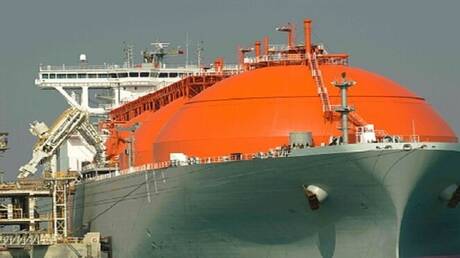
A Turkish official confirmed to Middle East Eye that Turkey will once again reject Ukraine's repeated proposal to allow it to supply itself with liquefied natural gas via tankers through the Bosporus Strait. This decision comes at a sensitive time as Ukraine seeks to enhance its energy capabilities amid ongoing crises.
This Turkish rejection is part of Ankara's policy aimed at maintaining its stability in a troubled region. Turkey is striving to balance its economic and political interests amid the escalating tensions between Russia and Ukraine.
Details of the Proposal
Reports indicate that the Ukrainian proposal involves using the Bosporus Strait to transport liquefied natural gas to Europe, which is considered a strategic step to enhance energy supplies on the continent. However, Turkey, which plays a pivotal role in the energy sector, prefers to maintain control over these vital waterways.
It is noteworthy that Turkey heavily relies on imported gas, sourcing approximately 99% of its natural gas needs. Therefore, any changes in energy policies could significantly impact the Turkish economy.
Background & Context
Historically, Turkey has always been a key player in the energy sector in the region, situated at the crossroads between Europe and Asia. As tensions between Russia and Ukraine escalate, Turkey has become a focal point for many countries seeking to diversify their energy sources.
In recent years, Ukraine has attempted to strengthen its energy relations with Turkey, especially following its conflict with Russia. However, Turkey is also keen on maintaining its relations with Moscow, complicating the situation further.
Impact & Consequences
This decision may exacerbate tensions between Ukraine and Turkey, as both seek to achieve their national interests. Additionally, Turkey's rejection of the Ukrainian proposal could affect Ukraine's efforts to bolster its energy supplies amid current crises.
Moreover, these developments may influence global energy markets, as European countries strive to reduce their dependence on Russian gas. Consequently, Turkey's stance could have far-reaching implications for regional stability.
Regional Significance
These developments are significant for the Arab region, where many countries are looking to enhance their energy capabilities. Any changes in Turkey's energy policies could impact oil and gas prices in global markets, reflecting on the Arab economy.
Ultimately, Turkey remains a key player in the regional energy equation, and its refusal of the Ukrainian proposal seems to reflect its strategy of maintaining a balance of power in the region.