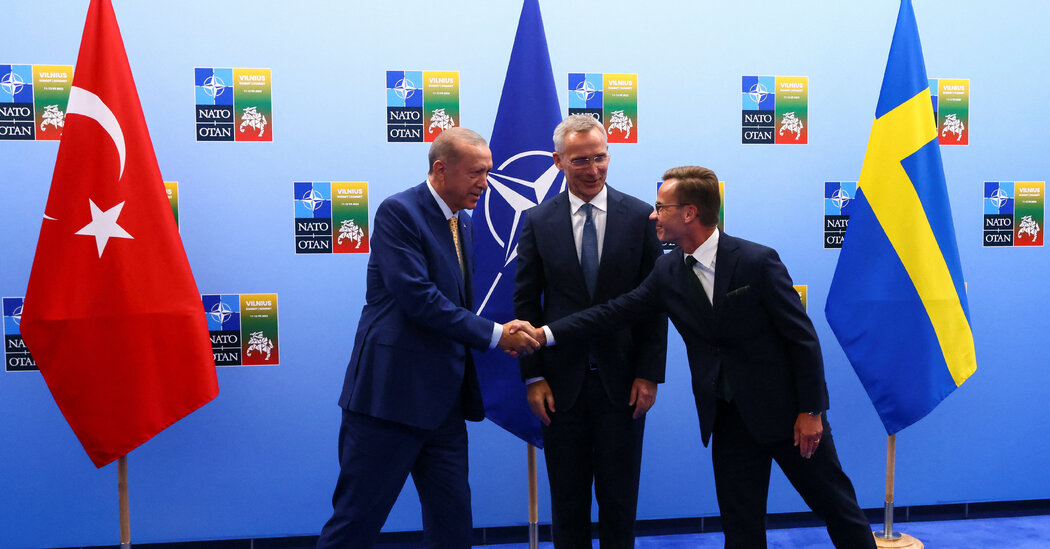
Turkey is asserting its position as a key player in the North Atlantic Treaty Organization (NATO), enhancing its influence amid regional transformations. These steps come at a time when the region is witnessing significant changes related to ongoing conflicts, particularly the war against Iran.
The newspaper "Yeni Şafak" highlighted Turkey's growing role within NATO, pointing to its strategic location that makes it a key player in shaping regional and international balances. While the United States, under former President Donald Trump, discussed withdrawing from the alliance, Turkey continues to bolster its presence and influence.
Details of the Developments
In 2023, Turkey initiated formal procedures to establish a multinational corps headquarters on its territory, named "MNC-TÜR," following a formal request to NATO in 2024. If approved by the alliance, the headquarters in Adana will transform into a multinational command center, with full Turkish leadership.
If a potential threat is identified, NATO will be able to deploy forces under Turkish command, thereby enhancing Ankara's influence within the alliance and the regional security framework. Security sources confirmed that Turkey is no longer just a country executing orders but is now formulating its policies according to its national security requirements.
Background & Context
These developments occur in the context of significant changes in the region, where tensions related to conflicts in the Middle East are escalating. The war against Iran represents a turning point, as many analysts believe that Turkey may fill the void left by the diminishing American and Israeli influence.
Retired Turkish Ambassador Olutç Özülker noted that Turkey is poised to become the dominant state in the region, especially in light of potential changes in Israeli leadership. These dynamics could reshape regional relations and open new avenues for alliances.
Impact & Consequences
Changes in the regional balance of power may lead to a reassessment of alliances, with expectations that Turkey will strengthen its relationships with regional countries. Retired Colonel Mithat Işık pointed out that Turkey enjoys good relations with countries in the Middle East, the Balkans, the Caucasus, and Africa, making it a pivotal mediator in many conflicts.
As American and Israeli influence wanes, Turkey may emerge as a key power in forming new alliances, reflecting a shift in regional dynamics. Professor Hossam Eddin Inash noted that the American-Israeli alliance is experiencing a sharp decline, opening the door for Turkey to forge new alliances with regional countries.
Regional Significance
These developments are of great importance to the Arab region, as they may lead to changes in the regional balance of power. Turkey, seeking to enhance its influence, could play a pivotal role in achieving stability in the Middle East.
If Turkey continues its current policies, it may contribute to achieving peace in conflict areas, positively impacting Arab countries. These new dynamics could open new horizons for regional cooperation and present new challenges for Arab states.
In conclusion, amid these transformations, Turkey appears to be preparing for a dominant role in the region, prompting Arab countries to reassess their strategies and relationships with Ankara.