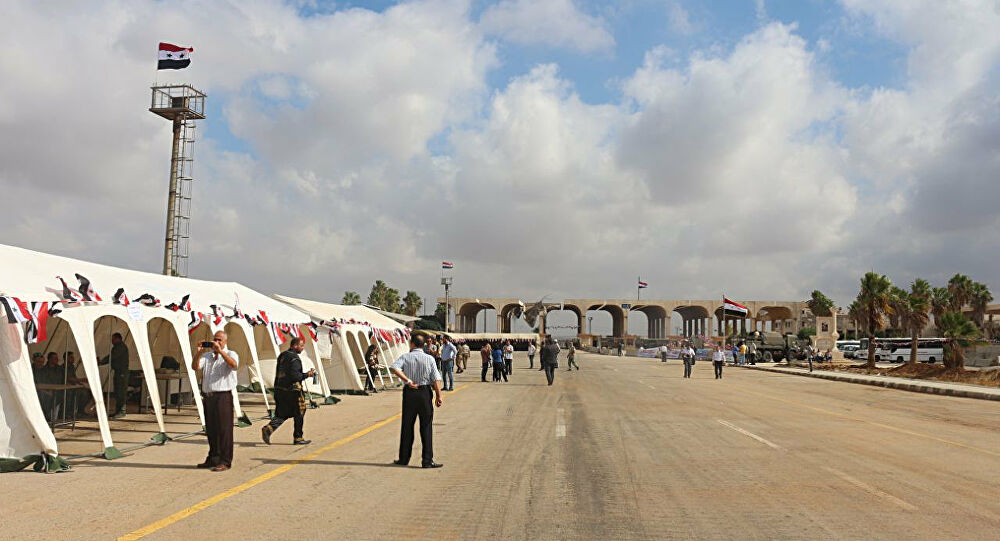
A series of meetings, technical negotiations, and exchanges between Turkish, Syrian, and Jordanian officials since October 2025 have culminated in an important agreement aimed at enhancing land and rail transport towards the Gulf countries. This agreement represents a strategic step in strengthening trade and economic ties among the three countries, reflecting their desire to improve transport infrastructure.
The cooperation plan includes the establishment of new transport corridors, the development of railways, and the facilitation of goods and people movement across borders. The parties also aim to improve logistical services, which will contribute to increasing trade volume between these countries and the Gulf states.
Details of the Agreement
The negotiations held between Turkey, Syria, and Jordan covered several technical aspects, focusing on ways to enhance transport infrastructure. It was agreed to create new corridors linking major cities in the three countries, facilitating the movement of goods. Discussions also included developing railways to be more efficient and faster in transporting goods.
This cooperation comes at a time when the world is witnessing significant transformations in transport and trade sectors, as countries strive to enhance their competitive capabilities in the global market. The three nations have expressed their readiness to provide the necessary support for the implementation of this ambitious project.
Background & Context
Historically, relations between Turkey, Syria, and Jordan have been tense due to various factors, including regional conflicts and political changes. However, this agreement represents a positive shift in relations among these countries, as they seek to overcome past disagreements and focus on economic cooperation.
In recent years, the region has experienced significant transformations, prompting countries to reevaluate their economic strategies. This agreement is part of broader efforts to enhance regional cooperation and achieve sustainable development.
Impact & Consequences
This agreement is expected to have a significant impact on trade movement in the region. Enhancing land and rail transport will facilitate the movement of goods, leading to increased trade volume among the three countries. It will also help reduce logistical costs, benefiting both companies and consumers.
Moreover, this cooperation may open new avenues for collaboration with Gulf countries, enhancing the standing of these nations in the regional and international markets. It could also attract foreign investments, contributing to economic growth.
Regional Significance
This agreement reflects the desire of Arab countries to enhance cooperation among themselves, especially in light of the economic challenges they face. By improving transport infrastructure, Arab nations can strengthen their competitiveness in global markets.
Furthermore, this cooperation may encourage other countries in the region to take similar steps to enhance economic ties, contributing to achieving Arab integration. Ultimately, this agreement represents a step towards achieving sustainable development and enhancing stability in the region.