Turkish President Recep Tayyip Erdoğan has threatened to launch a new military ground operation against the Kurds in northern Syria, asserting that his country will take all necessary measures to protect its national security. These remarks come at a sensitive time as tensions in the region escalate, and Erdoğan's threat reflects his determination to confront what he perceives as threats to Turkey's security.
During a meeting of his Justice and Development Party, Erdoğan confirmed that military operations against the Kurds would continue until the desired objectives are achieved. He added that Turkey would not allow the existence of any entity that threatens its borders, emphasizing that military operations are essential to protect Turkish citizens.
Details of the Threat
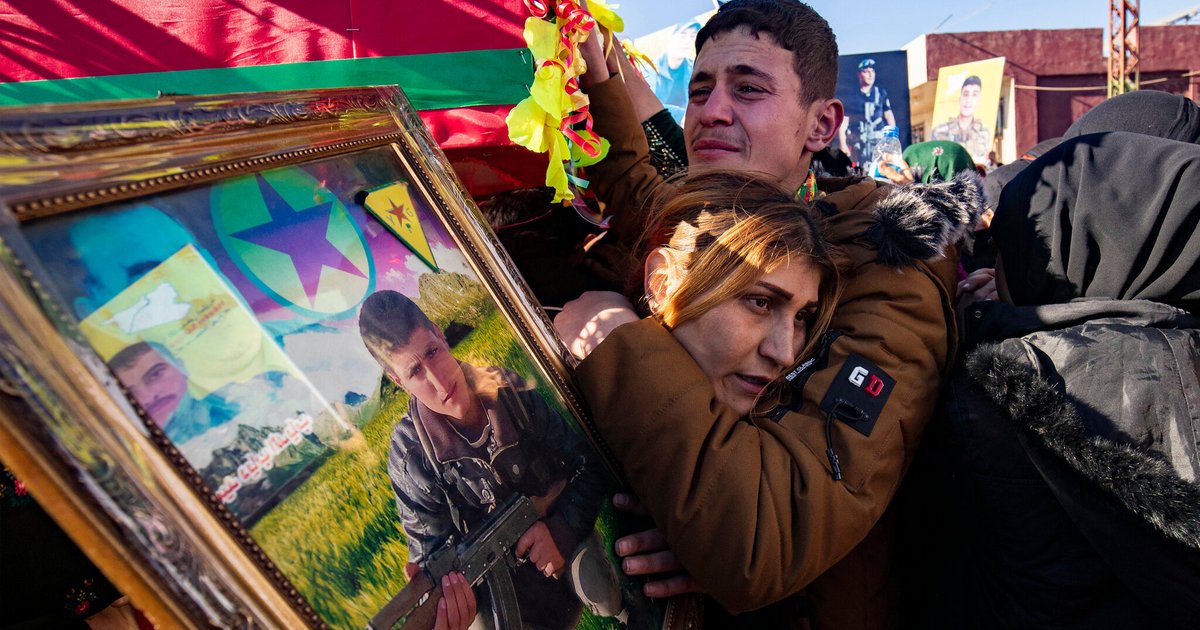
These threats come at a time when fears of escalating violence in northern Syria are increasing, where the People's Protection Units (YPG) control vast areas. Turkey considers these units an extension of the Kurdistan Workers' Party (PKK), which Ankara classifies as a terrorist organization. Turkey has previously conducted several military operations in northern Syria, the most recent being in 2019, targeting Kurdish positions in what it termed Operation Peace Spring.
Erdoğan indicated that military operations would also target areas believed to be used as bases for operations against Turkey. He also confirmed that his country would enhance its military presence along the border with Syria, increasing the likelihood of military escalation in the region.
Background & Context
Historically, relations between Turkey and the Kurds have been tense, as the Kurds seek autonomy in their regions. Recent years have seen an escalation in the conflict between the Turkish government and the PKK, resulting in the deaths of thousands on both sides. Concurrently, the United States plays a complex role in this conflict, supporting the YPG in the fight against ISIS, which raises Ankara's concerns.
These threats coincide with increasing internal pressures on Erdoğan, who faces economic and political challenges. Military operations against the Kurds may serve as a means to bolster his domestic position by demonstrating strength and resolve in the face of perceived threats.
Impact & Consequences
If Turkey follows through on its threats to launch a ground operation, it could lead to a significant escalation in the Syrian conflict and increase the suffering of civilians in the affected areas. Additionally, military operations could negatively impact Turkey's relations with the United States and Western countries, which may view them as violations of Syrian sovereignty.
On the other hand, these operations could strengthen the Kurds' position against Turkish threats, complicating the situation in the region further. Any military escalation could also open the door for the emergence of new extremist groups, increasing instability in Syria.
Regional Significance
Developments in northern Syria are of great importance to the Arab region, affecting security and stability in neighboring countries such as Iraq and Lebanon. The Kurdish-Turkish conflict may also impact relations between Arab states and Turkey, especially in light of other issues such as the Palestinian issue and the conflict in Libya.
In conclusion, the situation in northern Syria remains complex and requires comprehensive political solutions that ensure the rights of all parties and achieve stability in the region. Military threats will not resolve the problem but may exacerbate it.