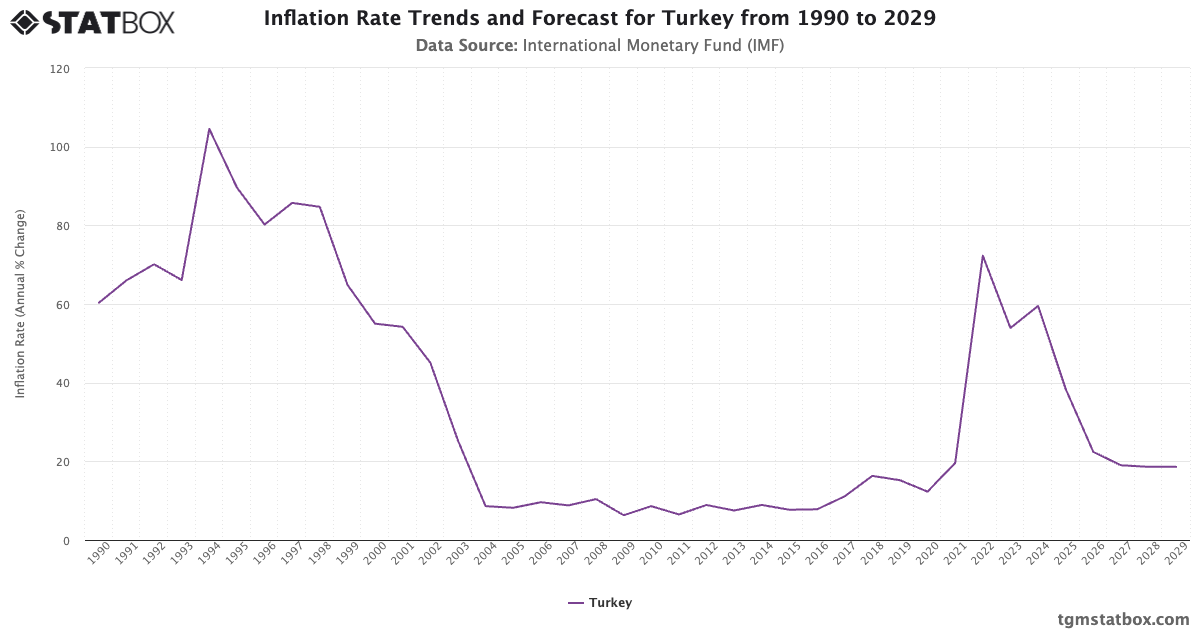
Reports indicate that Turkey's annual inflation rate has slightly decreased to 30.87% in March, down from 31.53% the previous month. This decline comes as the Turkish government seeks to control rising prices that have significantly impacted citizens' lives.
Despite this decrease, the inflation rate remains high, raising concerns among many economists and analysts. This rate is among the highest in the world, reflecting the economic challenges Turkey faces amid global and local conditions.
Details of the Event
These figures come at a sensitive time for the Turkish economy, as the government aims to achieve economic stability after years of fluctuations. The Central Bank of Turkey has indicated that it is taking measures to curb inflation, including adjusting interest rates.
The Turkish government has also announced a set of new economic policies aimed at boosting economic growth and improving citizens' living conditions. However, the question remains about the effectiveness of these policies in addressing current challenges.
Background & Context
Turkey has witnessed a significant rise in inflation rates in recent years, with prices soaring due to several factors, including the depreciation of the Turkish lira and rising energy and food costs. These factors have directly affected citizens' purchasing power, leading to increased social pressures.
Historically, Turkey has faced recurring economic problems, but the current situation is considered one of the most severe. The Turkish government is under pressure from both citizens and investors, making it essential to take effective steps to achieve stability.
Impact & Consequences
The decline in the inflation rate is a positive step, but much work remains to be done. Sustained high inflation could erode savings and increase poverty among citizens. Additionally, rising prices may negatively impact both foreign and domestic investments.
On the other hand, price stability could enhance investor confidence in the Turkish economy, potentially leading to increased investments and stimulating growth. Therefore, the government needs to take serious steps to ensure price stability and improve economic conditions.
Regional Significance
Turkey is an important trading partner for many Arab countries, and any changes in the Turkish economy could affect trade and investment relations. Furthermore, rising inflation rates in Turkey may impact the prices of goods and services in Arab countries, especially those that rely on imports from Turkey.
In light of the current economic conditions, Arab countries must closely monitor developments in Turkey, as economic stability in Turkey can contribute to enhancing economic cooperation between Arab countries and Turkey.
In conclusion, the inflation rate in Turkey remains a sensitive issue that requires ongoing attention from both the government and citizens. As economic pressures increase, the need for effective strategies to achieve stability remains crucial.