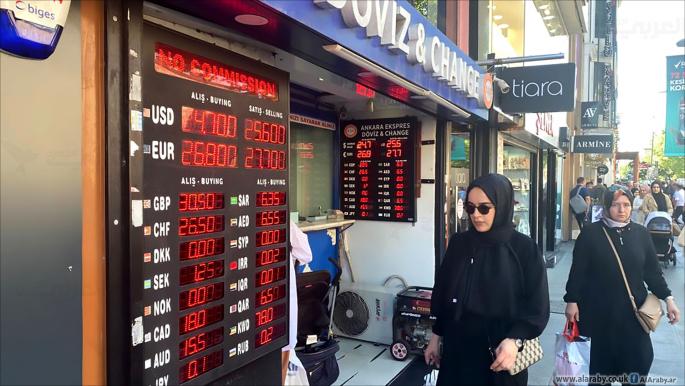
Turkish bankers revealed that the central bank's budget for this week will show foreign currency sales reaching approximately $20 billion, raising the total sales to $45 billion. These figures reflect the ongoing efforts of the central bank to support the Turkish lira and enhance the stability of the national economy amidst current challenges.
These sales come at a time when the Turkish economy is experiencing increasing pressures, as the central bank seeks to achieve balance in the foreign currency market. The global and local economic conditions have impacted the value of the lira, prompting the bank to take urgent measures to support the local currency.
Details of the Event
According to banking sources, the foreign currency sales to be announced by the central bank include direct sales operations in the market, as well as other interventions aimed at bolstering foreign currency reserves. These steps are part of the central bank's strategy to address market fluctuations and achieve sustainable economic stability.
The sales also include operations to purchase the Turkish lira, which helps support its value against other foreign currencies. This intervention is deemed necessary given the difficult economic conditions the country is facing.
Background & Context
Historically, Turkey has experienced significant fluctuations in its national currency, with the lira being notably affected by economic and political crises. Since 2018, Turkey has faced a severe currency crisis, leading to a substantial decline in the value of the lira. Since then, the central bank has taken several measures to try to restore confidence in the local currency.
Foreign currency sales are part of the central bank's policy in managing its reserves and enhancing market stability. These policies have proven effective at times, but they continue to face ongoing challenges due to global economic pressures.
Impact & Consequences
Foreign currency sales directly affect the local market, as they can lead to a temporary stabilization of the lira's value. However, the continued reliance on foreign currency sales may indicate weaknesses in the economic fundamentals, potentially exacerbating crises in the future.
Additionally, these sales may impact investor confidence in the Turkish economy, as investors seek to assess the risks associated with investing in the Turkish market. If economic pressures persist, investors may look for safer alternatives.
Regional Significance
Turkey is an important economic partner for many Arab countries, with the economies of these nations being directly affected by changes in the Turkish economy. Any fluctuations in the value of the lira may impact trade and investment between Turkey and Arab countries, necessitating close monitoring by decision-makers in the region.
Furthermore, the economic conditions in Turkey may affect Arab tourism to the country, as Turkey is a preferred destination for many Arab tourists. If economic pressures continue, the number of visitors may decline, significantly impacting the Turkish tourism sector.
In conclusion, the foreign currency sales of the Turkish central bank remain an important indicator of the health of the Turkish economy, amidst the ongoing challenges the country faces. Turkish authorities must take effective steps to ensure currency stability and achieve sustainable economic growth.