The Governor of the Turkish Central Bank, Fatih Karahasan, emphasized today, Tuesday, that resorting to gold reserves to support liquidity during critical times is a 'natural option.' This statement comes in light of the repercussions of the war in Iran, which has adversely affected Turkey's inflation-fighting efforts.
Karahasan added in his remarks to the Anadolu Agency that the Central Bank will continue its monetary tightening policy, which includes raising interest rates, with the aim of reducing inflation that began in 2024, although it had slowed down before the outbreak of the war on February 28.
Details of the Event
The annual inflation rate in Turkey rose to 31.5% in February, with expectations of further increases due to rising global energy prices following the war in the Middle East. In this context, the Turkish Central Bank halted its monetary easing cycle and maintained the main interest rate at 37%, while raising the overnight interest rate by about 300 basis points to approach 40%.
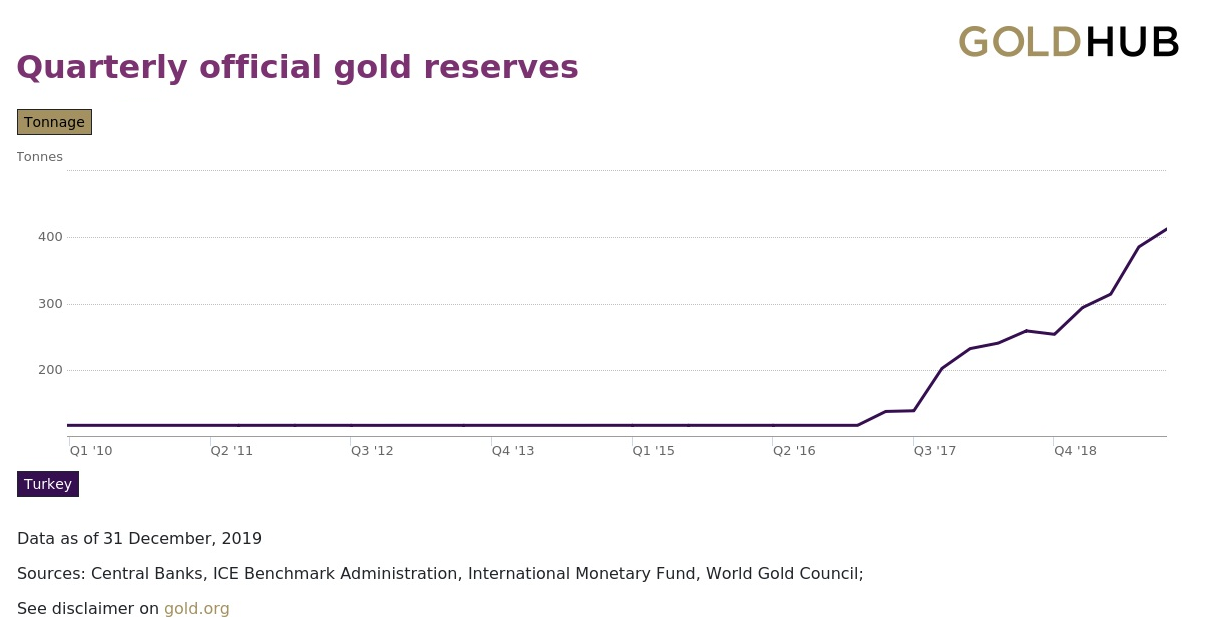
Over the past two weeks, the Central Bank has executed sales and swaps of foreign currency and gold reserves, marking one of the most daring uses of gold reserves by the Central Bank since 2018. Karahasan confirmed that 'using gold-backed transactions during times of need for liquidity support in the foreign exchange market is a completely natural option.'
Background & Context
These measures come at a time when the Turkish economy is facing significant pressures due to the high cost of importing oil and gas, with total reserves at the Turkish Central Bank declining by approximately $55 billion in just one month due to these pressures. A report by Bloomberg indicated that the Turkish Central Bank sold part of its gold reserves worth $8 billion this month to protect the lira from the increasing demand for dollars.
Additionally, Anadolu Agency reported that the Turkish Central Bank began conducting transactions to swap the Turkish lira for foreign currencies, aiming to provide flexibility for banks in managing local currency liquidity. Through this step, the Central Bank aims to reduce fluctuations in interest rates and credit, as well as alleviate pressure on the Turkish lira.
Impact & Consequences
These measures are expected to help alleviate the liquidity crisis in the markets, thereby preventing banks from facing liquidity problems and improving lending conditions to make them more moderate. However, the continued rise in global energy prices may exert further pressure on the Turkish economy, necessitating additional measures from the Central Bank.
In this context, Karahasan and Turkish Finance Minister Mohamed Simsek will discuss this strategy with foreign investors in London, where Barclays Bank is hosting group and individual events in this regard. These discussions may help bolster confidence in the Turkish economy under the current circumstances.
Regional Significance
These developments are particularly significant for the Arab region, reflecting the economic challenges faced by countries due to regional crises. The rise in energy prices may also impact the economies of oil-exporting Arab countries, prompting them to take similar measures to maintain the stability of their currencies.
In conclusion, the economic situation in Turkey remains under scrutiny as the Central Bank seeks to take effective steps to address current challenges in a world experiencing increasing economic fluctuations.