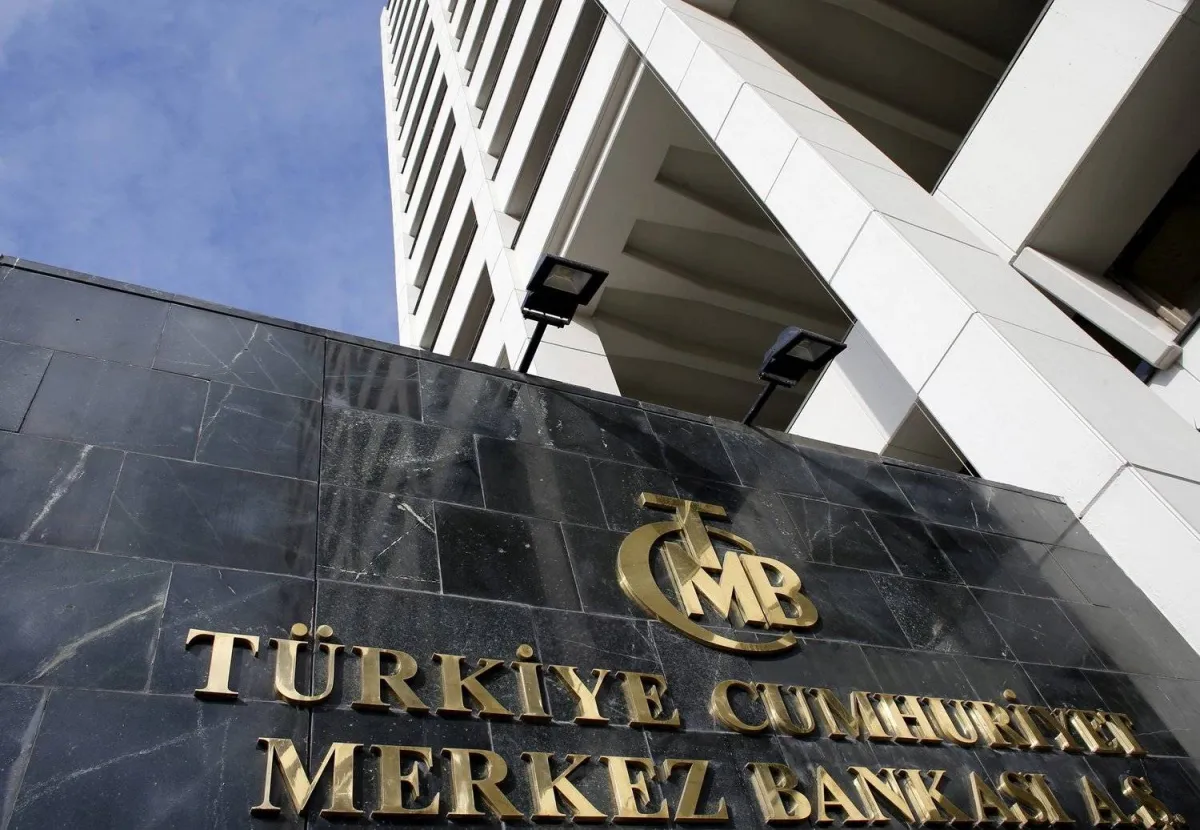
The Turkish Central Bank has spent approximately $30 billion over the past three weeks alone in an effort to maintain the stability of the Turkish lira, which is facing unprecedented pressures since the outbreak of the war in Iran. This intervention comes at a time when there is a sharp depletion of cash reserves, raising questions about Ankara's ability to continue its current policy of supporting the currency.
Reports indicate that the central bank may resort to liquidating part of its massive gold reserves to support the struggling lira. Analysts and investment fund managers have informed the Financial Times that the central bank's sales of foreign currencies reached $26 billion during the three weeks ending March 19, resulting in a net reserve decline (excluding swaps) to approximately $43.4 billion.
Details of the Situation
These pressures coincide with rising regional tensions, as independent estimates suggest that the total depletion of the central bank's reserves since the onset of the conflict in Iran has reached $34 billion. In this context, gold emerges as a potential lifeline, as Turkey holds over $100 billion in the yellow metal, with $30 billion deposited in the Bank of England, facilitating its use in intervention operations.
Concerns are growing that these pressures could have negative effects on the Turkish economy, especially amid global market instability. French Finance Minister Bruno Le Maire noted that France's energy situation is not as dire as that of some other European countries, despite the acute shortage of oil and gas supplies due to the conflict.
Background & Context
Historically, Turkey has experienced severe economic fluctuations, particularly during political and economic crises. Large interventions by the central bank in financial markets are not new, but this intervention comes at a highly sensitive time, with increasing pressures from both abroad and within. The war in Iran, which has led to the closure of the Strait of Hormuz, could significantly impact energy supplies, complicating Turkey's economic situation.
Turkey is one of the countries that heavily relies on energy imports; therefore, any disruption in supplies could affect economic growth. Additionally, the depreciation of the lira could lead to rising inflation and increased living costs, putting further pressure on the Turkish government.
Impact & Consequences
If the pressures on the lira continue, the central bank may be forced to take more drastic measures, such as raising interest rates or cutting public spending. These actions could lead to slower economic growth and exacerbate social conditions. Furthermore, the decline in the currency's value may affect foreign investments, as investors might hesitate to enter the Turkish market amid instability.
The potential impact on global markets could also be significant, as any disruption in Turkey, which is considered one of the largest economies in the region, could have negative effects on neighboring countries. Additionally, rising energy prices due to the conflict in Iran could affect global supply chains, increasing pressures on the global economy.
Regional Significance
Turkey is a key player in the region, and any fluctuations in its economy could impact neighboring Arab countries. The increasing economic pressures in Turkey may lead to heightened emigration from the country, affecting neighboring nations such as Greece and Bulgaria. Moreover, the depreciation of the lira could increase import costs, impacting prices in Arab markets.
In conclusion, the economic situation in Turkey remains under close observation, as any changes could significantly affect regional stability. The Turkish government must take decisive steps to ensure the stability of the lira and the economy amid these challenging conditions.