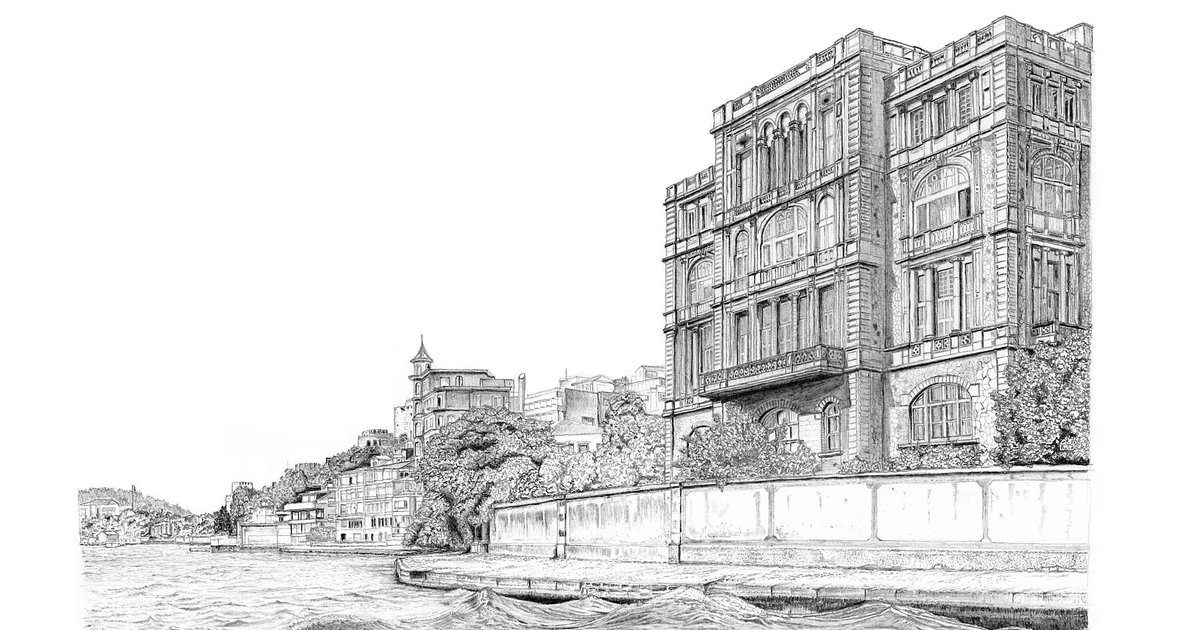
The Turkish Bah Timar family, the last owners of the Zeki Pasha Palace, has announced its intention to sell the historic palace located on the shores of the Bosphorus. This announcement has sparked a wave of questions and expectations regarding the identity of the next buyer of the palace, which is considered one of the most expensive properties in Istanbul.
The Zeki Pasha Palace, dating back to the 19th century, is one of the most prominent architectural landmarks in the city, known for its unique design and stunning views of the Bosphorus. The palace is a symbol of Ottoman cultural and architectural heritage, attracting visitors from around the world.
Details of the Sale
The Bah Timar family is seeking to sell the palace amid increasing interest in historical properties in Istanbul, where the city has recently witnessed a rise in property prices. There is expected to be fierce competition among local and international investors to acquire this unique landmark. Some experts have indicated that the palace could be sold for more than $100 million.
This move is part of a trend among traditional Turkish families to sell their historical properties in light of the economic and social changes the country is experiencing. It is believed that this sale could pave the way for new development projects in the area.
Background & Context
The Zeki Pasha Palace is a living example of Ottoman architecture, built during the empire's period of prosperity. The palace represents a part of Istanbul's rich history, having witnessed numerous historical and social events. With the growing interest in cultural heritage, such properties have become a focal point for investors.
Historically, Istanbul has been a center of culture and arts, and Ottoman architecture has contributed to shaping its unique identity. However, recent economic and political changes have affected the real estate market, prompting some families to consider selling their properties.
Impact & Consequences
The sale of the Zeki Pasha Palace could significantly impact the real estate market in Istanbul, as it is expected to increase demand for other historical properties. It may also help attract more tourists and investors to the city, thereby boosting the local economy.
Moreover, this sale may ignite discussions about the importance of preserving cultural and architectural heritage, as some believe that selling such properties could lead to a loss of part of the city's cultural identity. Therefore, this event is considered a starting point for broader discussions on how to preserve heritage amid economic changes.
Regional Significance
Istanbul is an important cultural and historical center for the Arab world, with its history linked to many events that have shaped the region. The sale of the Zeki Pasha Palace may highlight the importance of preserving cultural heritage in the Arab world, especially given the challenges many countries face in this context.
Additionally, this event could encourage Arab investors to seek investment opportunities in Istanbul, strengthening economic and cultural ties between Arab countries and Turkey.
In conclusion, the decision to sell the Zeki Pasha Palace is a significant event not only in the context of real estate but also in the context of preserving cultural heritage. The question remains: who will be the new buyer of this historical landmark?