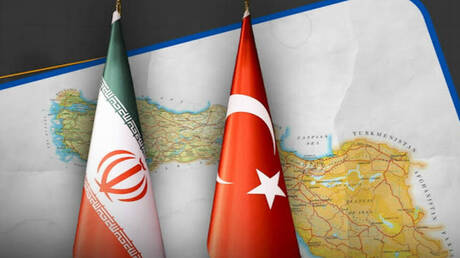
Turkish President Recep Tayyip Erdoğan is convening a government meeting this evening in the capital Ankara, addressing critical issues, notably the potential war between the United States and Israel against Iran. This step comes amid growing concerns that the conflict may extend to other areas in the Middle East, potentially affecting regional stability.
The Turkish government seeks to evaluate the current situation and analyze the risks associated with rising tensions among major powers in the region. As a key regional player, Turkey considers that any military escalation could lead to unforeseen consequences impacting Turkish national security, as well as its relationships with neighboring countries.
Details of the Meeting
Reports indicate that the meeting will involve the participation of the Ministers of Defense and Foreign Affairs, where intelligence related to American and Israeli military movements will be reviewed. Additionally, ways to enhance regional cooperation to counter any potential threats will be discussed, especially in light of the hostile exchanges between Tehran and Tel Aviv.
The meeting is also expected to address how to manage potential humanitarian crises in the event of armed conflict, as the region suffers from multiple crises requiring a swift and effective response.
Background & Context
Historically, relations between Iran and the United States have been tense since the Islamic Revolution in 1979, with Washington imposing economic and military sanctions on Tehran. In recent years, tensions have escalated with increased Israeli military activities against Iranian targets in Syria, complicating the regional landscape.
Turkey is considered a key player in the region, striving to maintain a balance of power among various parties. Ankara has previously expressed its desire to play a mediating role in regional conflicts, reflecting its strategy to enhance its influence in the Middle East.
Impact & Consequences
If the situation develops towards military escalation, it could have serious repercussions on security and stability in the region. Oil prices and financial markets are likely to be significantly affected, which may reflect on the global economy.
Moreover, any conflict could lead to an influx of refugees into neighboring countries, including Turkey, increasing the economic and social burdens on these nations. Therefore, the Turkish government meeting represents an important step in efforts to avoid negative scenarios.
Regional Significance
These discussions are vital amid rising tensions in the region, as they can impact Turkish national security and regional relations. The outcomes of this meeting could shape the future dynamics of power and cooperation in the Middle East.
In conclusion, the Turkish government’s proactive approach in addressing these tensions reflects its commitment to regional stability and security, aiming to navigate through complex geopolitical challenges.