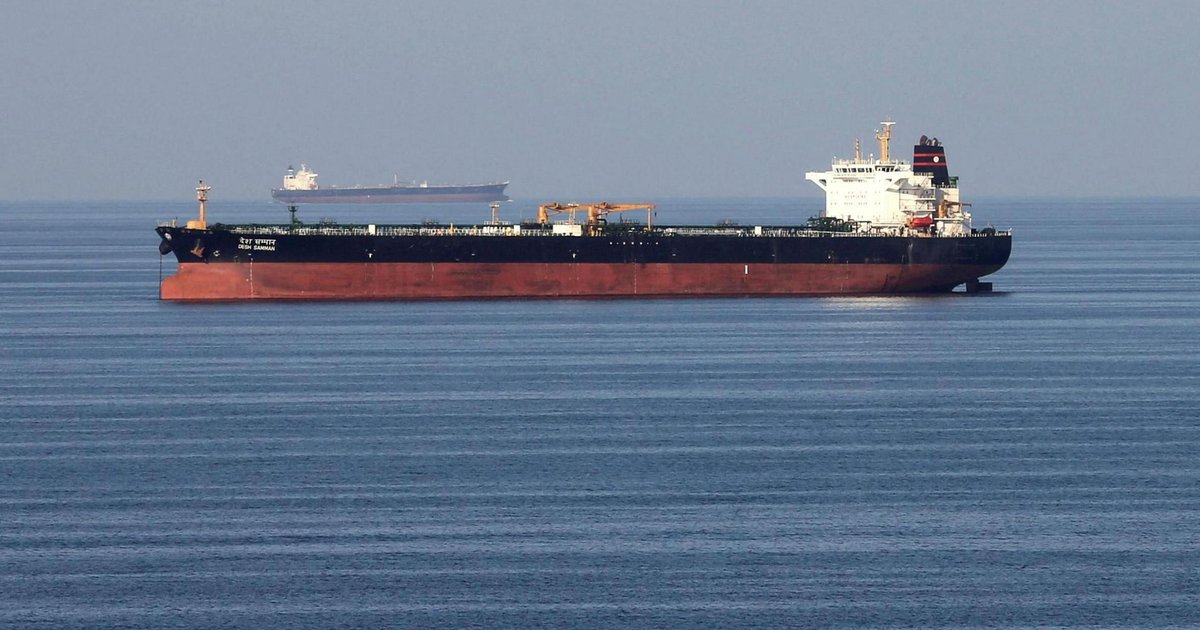
A Turkish oil tanker, named "Ocean Thunder", has successfully crossed the Strait of Hormuz carrying one million barrels of Basra crude oil. This action is part of a selective crossing of vessels imposed by Iran since the closure of the strait. This move reflects the increasing geopolitical changes in the region, as Iran continues to impose restrictions on shipping movements in these vital corridors.
The tanker departed from the Iraqi port of Basra on March 3 and was held in the Gulf waters after the strait was closed, before managing to cross yesterday. The vessel, which flies the flag of Panama and has a registration number of (9416422), indicates that its final destination is Port of Penjiran in Malaysia for unloading its cargo.
Details of the Event
Ownership records of the tanker show that it is operated by a company based in Turkey, reflecting the growing trade relations between Turkey and Iraq in the energy sector. According to data from Kepler, a company specializing in tracking energy shipments, the ship was loaded with approximately one million barrels of heavy Basra crude, highlighting the significance of this resource for Iraq amid current economic challenges.
From March 1 to April 5, two other Turkish vessels also crossed the strait, indicating an increasing activity of Turkish ships in the region. The Turkish Minister of Transport noted that 15 ships belonging to Turkish companies were present in the area when the war broke out, with two of them managing to cross the strait so far.
Background & Context
These developments come at a sensitive time, as the Iranian Revolutionary Guard announced that Iraq is exempt from shipping restrictions in the Strait of Hormuz. A military spokesperson stated in a video message that "our brother Iraq is exempt from any restrictions we imposed on the Strait of Hormuz," highlighting the special relations between Iran and Iraq in the energy sector.
The Strait of Hormuz is considered one of the most important maritime passages in the world, through which about one-fifth of global oil and liquefied natural gas shipments pass. Therefore, any changes in shipping movements through this strait significantly impact global markets.
Impact & Consequences
Threats from the United States and Israel against Iran to open the vital Strait of Hormuz have escalated, increasing tensions in the region. These threats could lead to potential military escalation, negatively affecting the stability of global oil markets.
Moreover, the continued shipping movement from Iraq through the Strait of Hormuz may enhance Iraq's ability to export its oil amid economic crises, contributing to the improvement of Iraq's financial situation, which heavily relies on oil revenues.
Regional Significance
These events are of great importance to Arab countries, especially those that depend on oil exports. Any changes in shipping movements through the Strait of Hormuz could affect global oil prices, impacting the economies of these countries.
Additionally, the growing trade relations between Iraq and Turkey may open new horizons for economic cooperation in the region, contributing to enhancing economic stability in Iraq and strengthening its role as a major energy supporter in the region.
The crossing of the Turkish oil tanker through the Strait of Hormuz reflects the geopolitical changes in the region and underscores Iraq's importance as a major energy source amid the challenges facing the area.