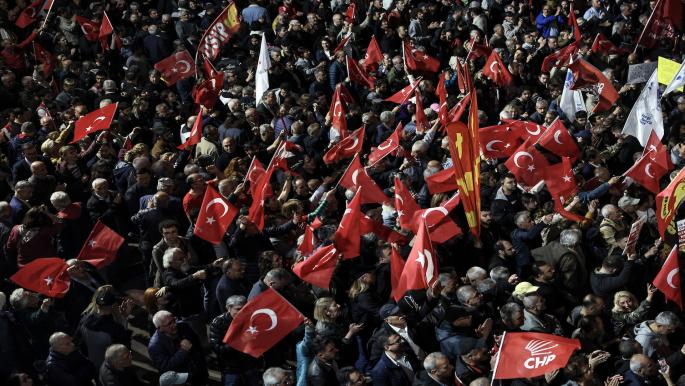
The Turkish opposition has recently been facing judicial and organizational crises that could pull it back into a cycle of internal conflicts, after it had come close to regaining its political balance. These crises arise at a sensitive time, as many parties are striving to reorganize and unify their efforts to confront the current government.
The judicial crisis affecting the opposition involves several legal cases concerning prominent figures within the parties, raising questions about the independence of the judiciary in the country. Simultaneously, the opposition is grappling with organizational divisions that hinder its ability to operate cohesively, further complicating the political landscape.
Details of the Crisis
The crises facing the opposition are varied, including issues related to corruption, funding, and allegations of electoral manipulation. These matters not only tarnish the reputation of the parties but also threaten to undermine the trust among the grassroots that they rely upon.
In contrast, some parties are attempting to exploit these crises to strengthen their position in the political arena. For example, the Republican People's Party, one of the most prominent opposition parties, is trying to rebuild its strategy to tackle these challenges, but internal divisions may impede these efforts.
Background & Context
Historically, Turkey has witnessed numerous political transformations that have impacted the opposition. Since the failed coup attempt in 2016, the country has experienced a widespread crackdown on dissenters, leading to a decline in the opposition's role in political life. Nevertheless, there have been repeated attempts to restore balance, especially with the growing public discontent towards the current government.
These crises come at a critical time, as the upcoming elections approach, increasing the urgency for the opposition to reorganize. Opposition parties are aware that any division or weakness within their ranks could result in negative outcomes in the elections.
Impact & Consequences
The potential repercussions of these crises could be far-reaching. If the opposition continues to fragment, it may bolster the current government's position, making it difficult to achieve any political change. Additionally, the judicial crises could lead to a loss of confidence in the judiciary, negatively affecting the political climate in the country.
Moreover, these crises may impact the Turkish economy, as political stability is a crucial factor for attracting investments. Any instability could lead to a decline in market confidence, which would reflect negatively on the economy as a whole.
Regional Significance
Turkey is considered a key player in the Arab region, and any changes in its internal policies could affect relations with Arab countries. Political crises in Turkey could lead to a decrease in its influence in the region, which may have repercussions on issues such as the Palestinian cause or conflicts in Syria and Libya.
Furthermore, the increasing political polarization in Turkey may encourage the emergence of similar movements in Arab countries, complicating the political landscape in the region.
In conclusion, the crises facing the Turkish opposition represent a significant challenge and could have wide-ranging implications for the political scene in the country and the region. Opposition parties must work diligently to rebuild trust and organize their ranks if they wish to successfully confront the current government.