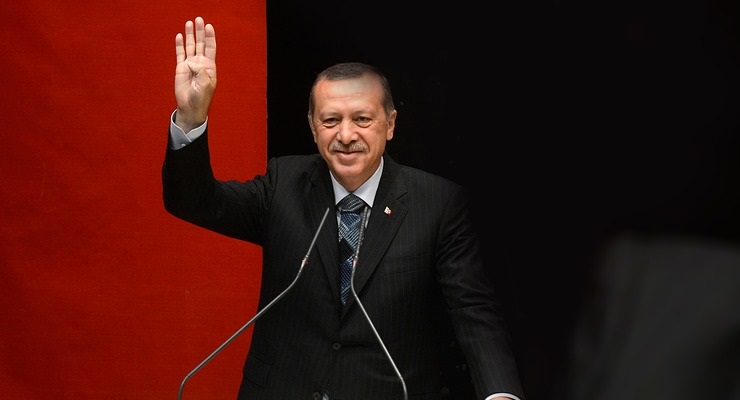
The Turkish Parliament recently discussed a bill aimed at restricting access to social media for children under the age of fifteen. This initiative seeks to protect children from the dangers that may arise from using these platforms, such as cyberbullying and inappropriate content.
The provisions of the bill include imposing restrictions on children's use of social media, requiring parents or guardians to provide prior consent before children can create accounts on these platforms. Additionally, the bill includes measures to monitor children's online activities to ensure their safety.
Details of the Legislative Proposal
This move comes at a time when concerns are growing about the impact of social media on children and adolescents. Numerous studies have shown that excessive use of these platforms can lead to psychological and behavioral issues, such as depression and anxiety. Therefore, the Parliament aims to mitigate these risks through this legislation.
The bill also aims to raise awareness among parents about the importance of monitoring their children's online activities. Some lawmakers have indicated that this law represents a necessary step to protect the new generation from the challenges they face in the technology era.
Background & Context
Turkey is considered one of the countries that has witnessed a significant increase in social media usage among youth. With the rising number of users, various issues related to online safety and security have emerged. In recent years, the Turkish government has launched several awareness campaigns regarding internet risks, reflecting its commitment to protecting children and adolescents.
In 2020, Turkey enacted a law regulating social media usage, allowing it to impose fines on companies that do not comply with local laws. This context reflects the government's trend towards increased oversight of the online space.
Impact & Consequences
If this law is enacted, it could lead to significant changes in how children use social media. Companies providing social media services are likely to be affected, as they will need to adjust their policies to meet the requirements of the new law.
This could also lead to increased awareness among parents regarding the importance of monitoring their children's online activities. However, there are concerns that these restrictions may limit freedom of expression for children and adolescents, raising a debate about the balance between protection and freedom.
Regional Significance
The issue of protecting children online is also significant in many Arab countries. Concerns about the impact of social media on youth are rising. The Turkish experience may serve as a model for Arab countries seeking to protect their children from digital risks.
Given the increasing challenges faced by Arab societies in this area, this step could contribute to enhancing the discussion on how to protect children and adolescents from internet dangers.