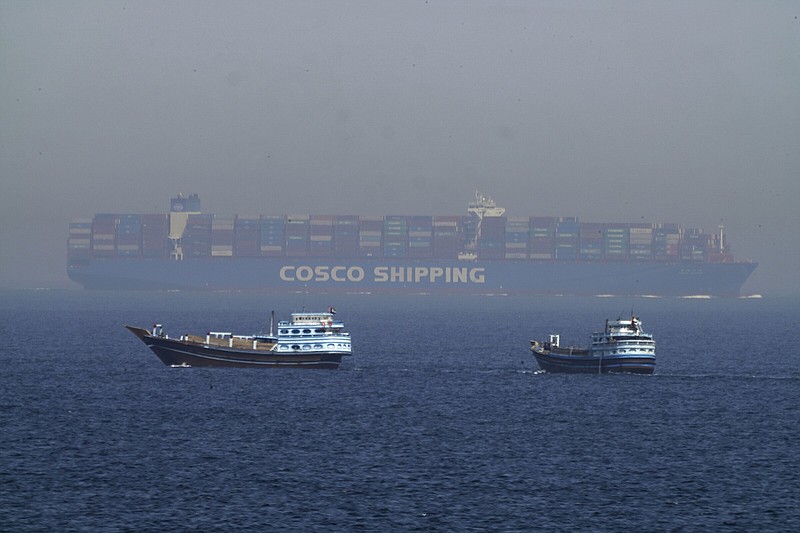
Turkish Transport Minister Abdulkadir Uraloglu announced today, Saturday, the successful crossing of a second Turkish ship through the Strait of Hormuz, amid navigation restrictions imposed by Iran following the outbreak of the US-Israeli war against it.
In statements made during an interview with CNN Türk, Uraloglu indicated that 15 Turkish ships were present in the region at the start of the conflict, and that two of them have managed to cross the strait so far, according to Agence France-Presse.
Details of the Event
The Turkish minister clarified that the two ships that crossed the strait, named Rosana and Neraki, either use Iranian ports or transport goods to and from Iran, but he did not specify the date of the second ship's crossing. The first ship crossed the strait on March 13 after obtaining permission from Iranian authorities.
Uraloglu also noted that there are 9 Turkish ships stranded that have submitted requests to cross the strait, while 4 other ships have not requested to leave the area. He mentioned that two of these ships are involved in energy production, while the other two are waiting for conditions to improve, emphasizing that coordination is ongoing with the Ministry of Foreign Affairs to ensure the passage of the remaining nine ships.
Background & Context
These developments coincide with rising tensions in the region, as tracking data showed that a container ship belonging to the French company CMA CGM and a Japanese methanol tanker crossed the Strait of Hormuz for the first time since navigation was disrupted in this vital corridor following the outbreak of the war. An analysis conducted by Agence France-Presse based on maritime data indicated that about 60% of the cargo ships that crossed the strait since the beginning of the conflict were either coming from Iran or heading to it.
These restrictions come in response to the joint US-Israeli attack, which has disrupted oil supplies and created turmoil in global energy markets. Since the beginning of March, the maritime analytics firm Kpler has recorded the entry or exit of 221 ships carrying oil, gas, or other goods into the Gulf via the strait.
Impact & Consequences
The analysis showed that some ships have sailed more than once, raising the total number of crossings to 240, with about 6 out of 10 ships coming from or heading to Iran. This percentage rises to 64% for ships carrying goods. In contrast, lower percentages were recorded for other countries, including the UAE (20%), China (15%), and India (14%).
Among 118 voyages of cargo-carrying ships, 37 tankers transported about 8.45 million tons of crude oil, all of which left the Gulf. 30 tankers either departed from Iran or sailed under the Iranian flag, with most heading to undisclosed destinations.
Regional Significance
Since February 28, Israel and the United States have been waging war on Iran, resulting in thousands of casualties, while Tehran responds by launching missiles and drones towards Israel. Iran also targets what it claims are US interests in Arab countries, resulting in casualties and damage to civilian facilities, which has been condemned by the targeted nations.
Concerns are growing about the impact of this war on regional stability, as it could exacerbate economic crises and deteriorate humanitarian conditions in the affected countries.