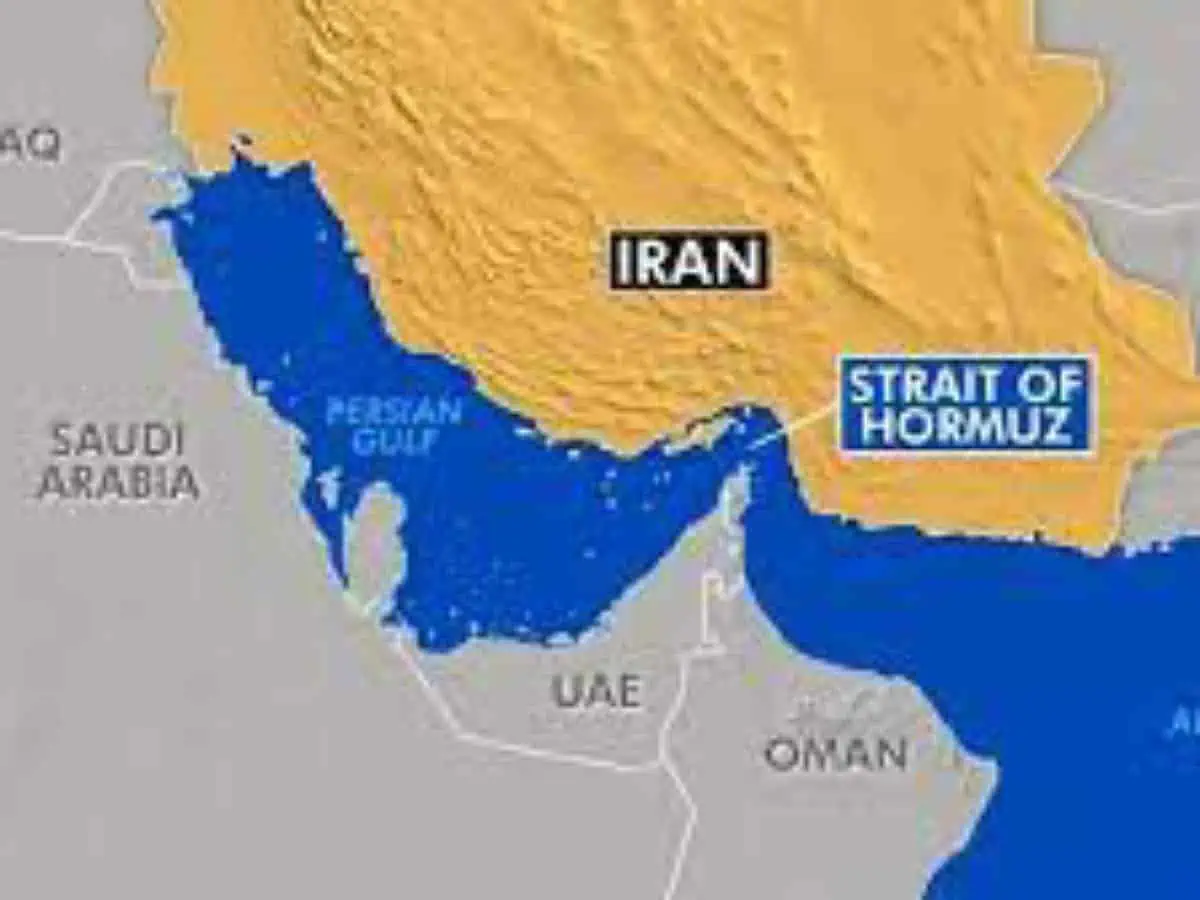
Turkey's Transport Minister, Abdulkadir Uraloğlu, announced on Saturday that a second Turkish ship has crossed the Strait of Hormuz, coinciding with rising regional tensions. In an interview with CNN Türk, the minister explained that this ship is part of a group of Turkish vessels present in the area.
Uraloğlu noted that "at the time of the outbreak of war, there were 15 ships belonging to Turkish companies, two of which crossed the Strait of Hormuz." He confirmed that this move reflects the success of Turkish initiatives in enhancing maritime trade, as Turkish ships utilize Iranian ports as part of their commercial strategy.
Details of the Event
The crossing of Turkish ships through the Strait of Hormuz is a significant step under the current circumstances, as the strait is one of the world's most important maritime passages, witnessing substantial oil and gas traffic. The Turkish vessels crossing the strait come at a sensitive time, with tensions escalating between Iran and Western countries, complicating maritime trade.
It is noteworthy that the Strait of Hormuz is a vital transit point for about 20% of the world's oil, making any developments there directly impact global markets. This move is expected to enhance trade relations between Turkey and Iran, especially amid the challenging economic conditions both countries face.
Background & Context
Historically, the Strait of Hormuz has witnessed numerous political and military tensions, serving as a stage for various conflicts over the decades. In recent years, tensions between Iran and the United States have increased, affecting trade flows in the region. However, Turkey aims to bolster its commercial presence in the area, reflecting its strategy to expand its economic influence.
This step is part of Turkey's policy to strengthen its relations with neighboring countries, especially in light of the economic challenges it faces. Additionally, the use of Iranian ports indicates Turkey's desire to diversify trade routes and reduce reliance on traditional corridors.
Impact & Consequences
The crossing of Turkish ships through the Strait of Hormuz is expected to have positive effects on the Turkish economy, potentially boosting trade flows and increasing investments in the region. This move may also contribute to improving relations between Turkey and Iran, opening new avenues for economic cooperation.
On the other hand, this step may raise concerns among some Western countries, which closely monitor any movements in the region that could affect the stability of global markets. Therefore, international reactions to this move will be crucial in determining the future of trade relations in the area.
Regional Significance
These developments are particularly significant for Arab countries, as the stability of trade flows in the Strait of Hormuz directly impacts the Arab economy. Given the current tensions, Arab nations may seek to enhance their cooperation with Turkey and Iran to ensure regional stability.
Furthermore, this step could prompt Arab countries to reassess their trade strategies, especially amid global economic challenges. Consequently, strengthening trade relations with Turkey may have positive effects on the Arab economy as a whole.
In conclusion, the crossing of Turkish ships through the Strait of Hormuz represents a strategic step under the current circumstances, reflecting Turkey's desire to enhance its commercial presence in the region. As regional tensions continue, the question remains about how this move will impact international relations and trade flows in the future.