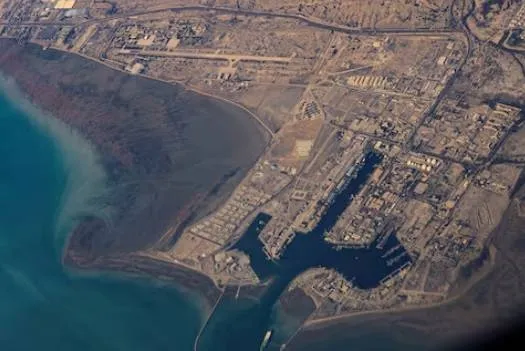
Turkish Transport Minister Abdulkadir Uraloglu announced on Monday the safe passage of a third Turkish ship through the Strait of Hormuz, one of the world's most important waterways, amid escalating military tensions in the region. The ship, known as Ocean Thunder, was carrying a shipment of crude oil from Iraq on its way to Malaysia.
This crossing comes after Iran closed the strait on February 28, following American-Israeli strikes, which exacerbated the situation in the Middle East and led to a rise in global oil and gas prices. Uraloglu confirmed that the ship crossed safely, reflecting Turkey's efforts to ensure the safety of its shipments under current circumstances.
Details of the Event
According to data from MarineTraffic, a company specializing in tracking ship movements, the Ocean Thunder was coming from the Iraqi port of Basra. The Turkish minister noted that this is the third crossing of a Turkish ship through the strait, with two other ships having crossed over the weekend. With this crossing, the number of Turkish ships in the vicinity of the Strait of Hormuz has decreased to 12, while 8 other ships are still waiting to leave the area.
Uraloglu added that efforts are ongoing to ensure the safe exit of the remaining ships, which have crews totaling 156 personnel. This situation reflects the challenges faced by commercial vessels amid tense security conditions.
Background & Context
The Strait of Hormuz is a vital passage through which approximately 20% of global oil supplies flow, and it has historically witnessed numerous geopolitical tensions. Since the onset of the current conflict between the United States and Iran, the strait has become a focal point for military conflicts, impacting global trade and oil prices.
The closure of the strait by Iran was a response to military pressures and reflects Tehran's strategy in confronting external pressures. This situation places countries dependent on Iranian oil in a difficult position and increases economic risks in the region.
Impact & Consequences
The impact of the closure of the Strait of Hormuz extends beyond Iranian borders, leading to a rise in global oil prices, which affects economies reliant on oil imports. Additionally, the continuation of tensions may increase security risks in the region, negatively impacting trade movements.
At the same time, the safe passage of Turkish ships may send a positive message regarding the ability of countries to protect their commercial interests despite challenging conditions. However, the situation in the region remains unstable, making it difficult to predict future developments.
Regional Significance
Arab countries neighboring the Strait of Hormuz, such as the UAE and Saudi Arabia, are among the most affected by developments in the strait. Any military escalation could negatively impact trade and maritime transport, potentially leading to increased prices for essential goods.
Furthermore, the continuation of the conflict may exacerbate economic crises in the region, necessitating proactive measures from Arab countries to protect their economic interests. Under these circumstances, hope remains pinned on diplomatic efforts to resolve the conflict and achieve stability in the region.