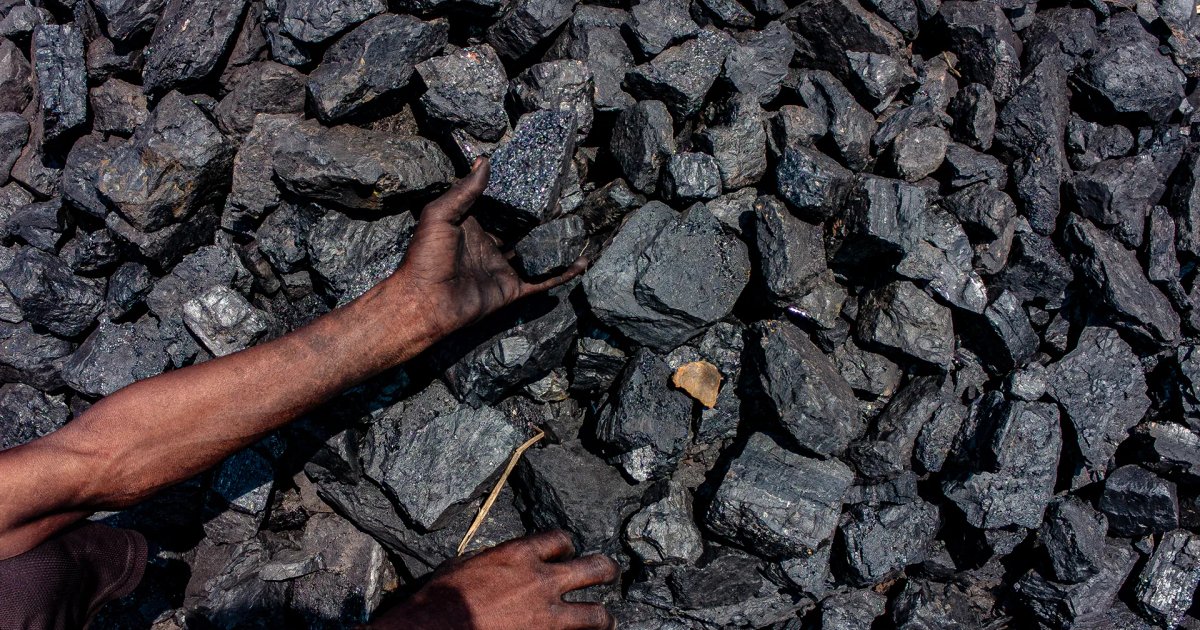
Coal has returned to the forefront as an emergency solution amid severe energy supply shortages, as many countries seek to bridge the gap caused by the halt in oil and gas supplies. This shift comes at a critical time, with prices rising significantly, especially in Asia, which heavily relies on natural gas imports from Gulf countries.
Reports indicate that around 20% of global oil and gas supplies are now halted, leading to a sharp spike in prices. These conditions have compelled nations to rethink their options, even if it means reverting to coal, which is considered one of the most polluting energy sources.
Event Details
Estimates suggest that several European and Asian countries have begun restarting coal plants to meet their energy needs. This trend reflects a growing concern over energy supplies, particularly with the increasing demand for electricity during winter. Simultaneously, these countries face pressure from environmental groups warning about the negative impacts of coal usage on the environment.
In this context, some countries have shown a willingness to bear the environmental costs associated with coal use in an effort to ensure energy supply stability. This shift highlights the challenges governments face in balancing environmental goals with immediate energy needs.
Background & Context
Over the years, many countries have sought to reduce their dependence on coal as part of their renewable energy strategies. However, the current crises in gas and oil supplies have prompted these nations to reconsider their strategies. Historically, coal was the primary energy source before countries shifted towards renewable energy sources.
This return to coal comes at a time when global markets are experiencing sharp fluctuations, with geopolitical crises affecting energy supplies. Additionally, climate change and environmental pressures present governments with difficult choices.
Impact & Consequences
The increasing reliance on coal leads to higher carbon emissions, raising new concerns about climate change. This shift may also impact countries' commitments to international climate agreements, such as the Paris Agreement.
Moreover, rising energy prices could lead to increased living costs, affecting local economies and putting additional pressure on governments. At the same time, this situation may spur innovation in renewable energy as countries seek more sustainable alternatives.
Regional Significance
In the Arab region, these developments may impact countries that heavily rely on oil and gas exports. With rising prices, some countries may benefit from these conditions, while others face new challenges in securing energy supplies.
The shift towards coal may also spark controversy in Arab nations striving to achieve sustainable development goals. It is crucial for these countries to adopt balanced strategies that consider both economic and environmental dimensions.
In conclusion, the return of coal as an emergency solution poses significant challenges for global energy and environmental policies. The current situation requires deep reflection from governments to ensure energy sustainability while preserving the environment.