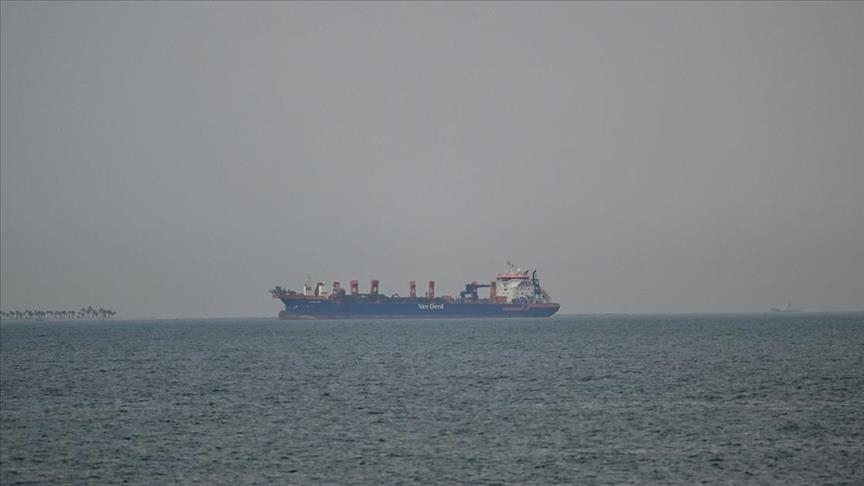
Two large container ships from China successfully crossed the Strait of Hormuz, marking the first confirmed passage of a large container vessel since the onset of conflict in the region. This operation was monitored by MarineTraffic, highlighting the significance of this vital waterway.
This crossing comes at a sensitive time when the region is experiencing increasing tensions, as the Strait of Hormuz is one of the most important waterways in the world, through which approximately 20% of the world's total oil passes. Recent events in the Middle East have significantly impacted maritime navigation, making this crossing a milestone in the context of the ongoing conflict.
Details of the Event
The two ships, belonging to one of the major Chinese companies, crossed the strait in an attempt to secure maritime trade routes. This crossing serves as a signal of relative stability in maritime traffic, despite the surrounding conflict conditions. This crossing has been confirmed by several maritime sources, reflecting the importance of this event in the context of current events.
This move comes amid fears of escalating conflict in the region, where there have been warnings of negative impacts on global trade. However, the crossing of the Chinese ships may indicate that some companies still trust the region's ability to keep trade routes open.
Background & Context
The Strait of Hormuz is a vital crossing point for oil and natural gas, with nearly 15 million barrels of oil passing through it daily. Historically, the strait has witnessed numerous crises and conflicts, serving as a stage for many military and political events. Since the beginning of the current conflict, there have been concerns that tensions could lead to the closure of the strait, which could result in rising oil prices and negative impacts on the global economy.
In recent years, tensions between Iran and the United States have affected navigation in the region. However, the crossing of the Chinese ships could have a positive impact on market stability, as it reflects confidence in the region's ability to handle crises.
Impact & Consequences
This crossing could have multiple effects on the global economy, as it may lead to increased confidence in the stability of trade movements in the region. Additionally, this crossing could encourage other shipping companies to resume their operations through the strait, potentially contributing to a reduction in economic tensions.
On the other hand, this crossing may increase pressure on the conflicting parties in the region, as it may demonstrate that there are those who continue to operate normally despite the conflict. Thus, this event could have long-term political and economic implications.
Regional Significance
For Arab countries, the crossing of the Chinese ships through the Strait of Hormuz is considered a positive step, as it shows that there is relative stability in trade movements. This could help boost the Arab economies that rely on oil and gas, potentially leading to improved economic conditions in the region.
Furthermore, this crossing could enhance the position of Arab countries in international forums, as it demonstrates their ability to maintain maritime trade stability despite tensions. Ultimately, this event is seen as a sign of hope for achieving stability in the region, which could contribute to enhancing economic cooperation between Arab countries and others.