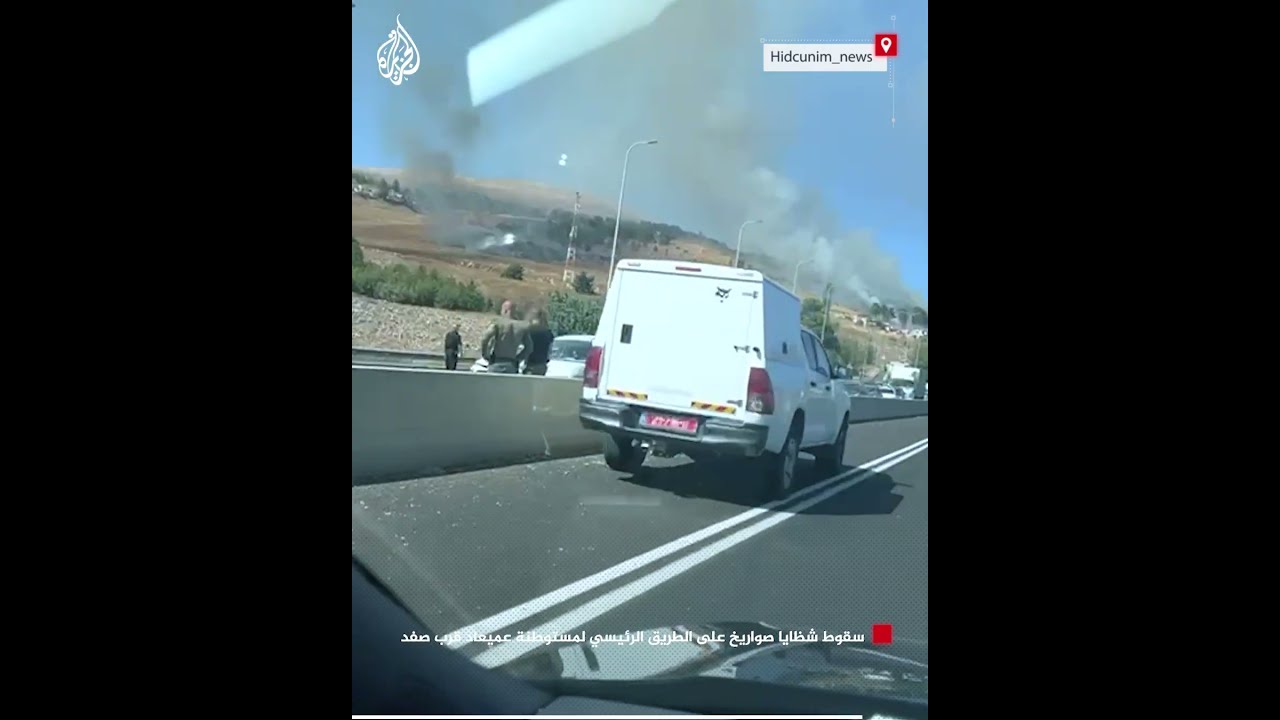
On Saturday, the Abu Dhabi Media Office announced that relevant authorities are responding to two incidents of fire in the Khalifa Economic Zones, resulting from debris from a successful interception of a ballistic missile by air defenses. These incidents occurred at a sensitive time, as tensions in the region have escalated following a series of attacks targeting American interests.
The statement from the media office did not specify the locations of the fires or provide details about potential damages, raising questions about the impact of these incidents on public safety and security in the UAE capital.
Details of the Incident
The two reported fires come amid escalating regional tensions, as the Iranian Revolutionary Guard announced an attack on a hotel in Dubai using a suicide drone, part of a series of assaults targeting what it described as "American elements" in the region. These events reflect the rising tensions between Iran and the United States and its allies in the Gulf.
It is noteworthy that the UAE has witnessed an increase in attacks targeting its facilities in recent years, prompting it to bolster its defensive capabilities. The successful interception of ballistic missiles is part of the UAE's strategy to protect its territory and interests.
Background & Context
Historically, the Gulf region has experienced ongoing tensions between Iran and Arab states, especially following the United States' withdrawal from the nuclear agreement with Iran in 2018. This withdrawal led to a military escalation, with Iran enhancing its military capabilities and issuing threats against American interests in the region.
In recent years, the UAE has faced several drone attacks, prompting it to strengthen its air defense systems. These systems have proven effective in countering threats, as demonstrated in the recent incident that led to the outbreak of the two fires.
Impact & Consequences
The repercussions of these incidents extend beyond physical damages, reflecting the rising tensions in the region and their impact on regional security. These events may lead to increased military preparedness in the UAE and neighboring countries, potentially raising the likelihood of larger conflicts.
Additionally, these incidents could affect the UAE's economy, as the country heavily relies on tourism and foreign investment. Any military escalation could undermine confidence in security and stability, negatively impacting economic sectors.
Regional Significance
The UAE is considered one of the key countries in the Gulf, and any military escalation within its borders could affect the stability of the entire region. Other Arab states may find themselves in a sensitive position, needing to take clear stances regarding the increasing tensions between Iran and the United States.
In conclusion, the events in Abu Dhabi serve as a reminder of the fragility of the security situation in the region. Arab countries must work together to enhance security and stability, avoiding escalation that could lead to larger conflicts.