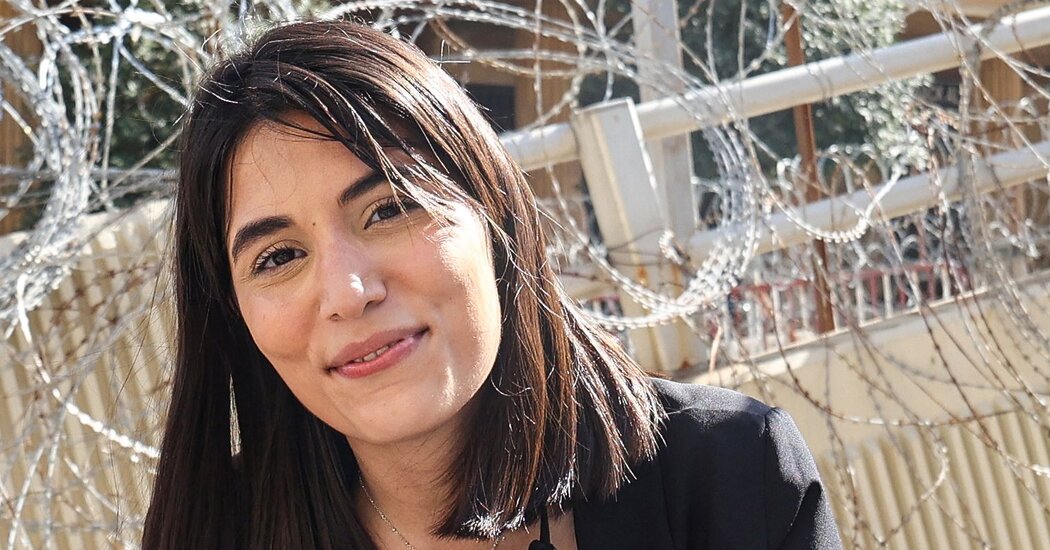
Two journalists, Ali Shaib and Fatima Fatouni, were killed in an Israeli airstrike targeting southern Lebanon, prompting widespread reactions in media and political circles. The incident comes at a sensitive time when the region is witnessing heightened tensions between Israel and Hezbollah, raising concerns about the safety of journalists in conflict zones.
The journalists were covering events in the area, documenting humanitarian conditions and armed clashes. Local sources confirmed that the airstrike targeted a site near the Lebanese border, resulting in the deaths of the journalists and injuries to several civilians.
Details of the Incident
Reports indicate that the Israeli airstrike occurred late last night, targeting an area known for military activities. Shaib and Fatima were on-site to cover clashes between Israeli forces and Hezbollah fighters, reflecting the significant risks faced by journalists in conflict zones.
It is noteworthy that Shaib and Fatima were recognized for their diligent work in documenting events in Lebanon, earning great respect from their colleagues in the profession. Human rights organizations have confirmed that this incident reflects the ongoing threats faced by journalists in conflict areas.
Background & Context
Historically, southern Lebanon has witnessed numerous armed conflicts, particularly between Israel and Hezbollah. Since the 2006 July War, the region has become a site of ongoing strife, exacerbating humanitarian conditions. Journalists in this area often find themselves in danger, facing assaults and threats while covering events.
The political situation in Lebanon is complex, with the country suffering from economic and social crises, further intensifying tensions. Journalists working under these conditions face significant challenges, including resource shortages and security threats.
Impact & Consequences
The deaths of journalists Ali Shaib and Fatima Fatouni may provoke strong reactions from the international community. Human rights organizations are expected to call for a thorough investigation into the incident, which could increase pressure on Israel regarding its practices in occupied territories.
This incident could also affect press freedom in Lebanon, as journalists may hesitate to cover events due to fears of assaults. Furthermore, this incident underscores the urgent need to protect journalists in conflict zones, where effective mechanisms must be established to ensure their safety.
Regional Significance
The deaths of the journalists highlight the challenges facing journalism in the Arab world, where assaults on journalists are increasing in many countries. This incident may contribute to enhancing the discussion around journalists' rights and their protection in conflict areas.
Additionally, the situation in Lebanon could impact neighboring countries, potentially escalating tensions in the region. Free journalism plays a vital role in documenting events and conveying truths; thus, protecting journalists must be a priority in any conflict.
In conclusion, the deaths of Ali Shaib and Fatima Fatouni spotlight the risks faced by journalists in conflict zones, and there must be international action to protect these heroes who strive to convey the truth.