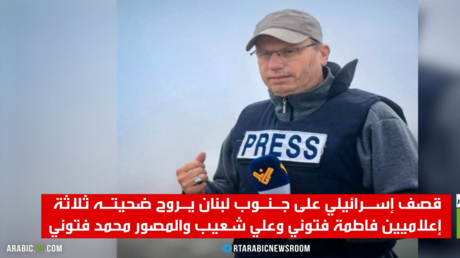
Two Lebanese journalists were killed in an airstrike carried out by Israeli forces, prompting a wave of condemnation from Lebanese officials. Lebanese President Joseph Aoun, Prime Minister Nawaf Salam, and Parliament Speaker Nabih Berri condemned this targeting, emphasizing the need to hold the aggressors accountable.
In a move reflecting the seriousness of the Lebanese stance, the Ministry of Information announced its intention to file a complaint with the United Nations Security Council, highlighting the escalating tensions between Lebanon and Israel amid the current circumstances.
Details of the Incident
The incident occurred at a sensitive time, as the region was witnessing increasing tensions due to the ongoing conflict between Israel and Palestinian factions. The airstrike that targeted the journalists came amid a military escalation in the area, resulting in their deaths while they were covering the ongoing events.
This incident is part of a growing pattern of attacks on journalists in conflict zones, where journalists face significant risks while performing their duty to convey the facts. This airstrike has sparked widespread reactions from human rights organizations that have called for the protection of journalists in conflict areas.
Background & Context
Historically, Lebanese-Israeli relations have been marked by ongoing tensions, especially following the Lebanese war in 1982. Since then, there have been numerous military incidents that have led to the loss of both civilian and journalist lives. Israeli airstrikes on Lebanon are not new, but they have notably increased in recent years, reflecting a rise in regional tensions.
In recent years, concerns have grown regarding the safety of journalists in conflict zones, with many incidents recorded that directly targeted them. This raises questions about how to protect journalists and ensure freedom of expression under challenging conditions.
Impact & Consequences
This incident serves as a wake-up call for the international community regarding the necessity of protecting journalists in conflict zones. Targeting journalists reflects a disregard for human rights and international laws that protect civilians, including journalists who are fulfilling their duty to convey information.
This incident is expected to escalate tensions between Lebanon and Israel and may prompt the Lebanese government to take firmer steps on the international stage. Additionally, filing a complaint with the Security Council could open the door for increased international pressure on Israel to cease its violations.
Regional Significance
This incident is part of the larger picture of conflict in the region, where violations against journalists are increasing in many Arab countries. The ongoing conflicts in Syria, Yemen, and Palestine reflect a painful reality faced by journalists in conflict zones.
The killing of the Lebanese journalists may inspire further actions by human rights organizations and civil society in the region, demanding the protection of journalists and ensuring freedom of expression. This incident could also strengthen solidarity among journalists in the Arab world, highlighting the importance of their role in conveying the truth.
In conclusion, this incident underscores the urgent need to protect journalists in conflict zones and affirms the importance of their role in conveying information and facts. Targeting them is an attack on freedom and democracy, and the international community must act to protect them.