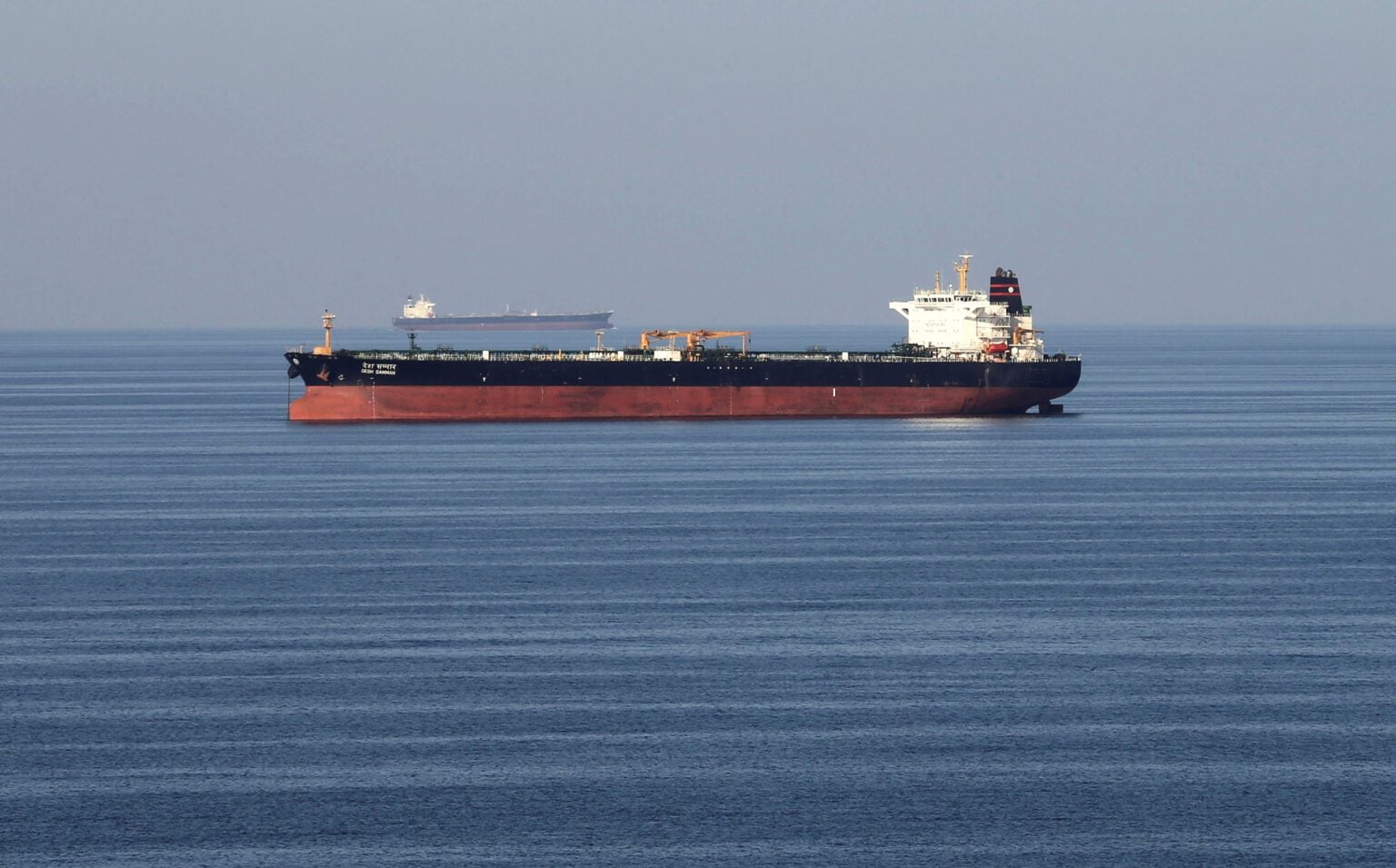
Two new tankers loaded with liquefied natural gas (LNG) have set sail from the Arabian Gulf through the Strait of Hormuz to India, reflecting ongoing maritime traffic in this vital waterway. This movement occurs amid rising tensions in the region, raising questions about navigation safety in one of the world's most important maritime passages.
These tankers are part of a series of vessels that continue to transit through the Strait of Hormuz, a key crossing point for oil and natural gas. Reports indicate that these tankers are carrying large shipments of LNG, reflecting the increasing demand for this commodity in the Indian market.
Details of the Event
The movement of tankers through the Strait of Hormuz is an important indicator of global energy market stability. These tankers contribute to meeting India's growing energy needs, especially amid the country's ongoing economic growth. Data has shown that India has become one of the largest importers of LNG in the world, making it an attractive market for exporters.
Recently, the Strait of Hormuz has witnessed an increase in vessel traffic, as this waterway serves as the main link between the Arabian Gulf and the rest of the world. The departure of the two tankers comes at a sensitive time, as concerns about geopolitical tensions in the region are rising, which could affect trade and navigation.
Background & Context
The Strait of Hormuz is one of the most important maritime passages in the world, through which approximately 20% of the world's total oil passes. The strait has experienced increasing tensions in recent years due to regional conflicts, leading to heightened concerns about navigation safety. However, tanker traffic continues, demonstrating the importance of this passage in securing global energy supplies.
Historically, the Strait of Hormuz has been the scene of many geopolitical events, witnessing multiple conflicts and disputes. Nevertheless, the continued movement of tankers through the strait indicates the ability of nations to manage these tensions and maintain the flow of trade.
Impact & Consequences
The movement of tankers through the Strait of Hormuz suggests a relative stability in the energy market, which may enhance confidence among investors and exporters. However, ongoing tensions in the region could remain a potential threat, necessitating close monitoring by the concerned nations.
Furthermore, the continued movement of vessels reflects the increasing demand for natural gas, which could lead to rising prices in the future. Thus, any changes in the geopolitical situation could significantly impact the market, requiring a swift response from both importing and exporting countries.
Regional Significance
The movement of tankers through the Strait of Hormuz is particularly significant for Arab countries, many of which rely on oil and gas revenues. The continued flow of these shipments supports the Arab economy and enhances the region's position as a major energy supplier in the world.
Moreover, the stability of navigation in the strait may contribute to strengthening trade relations between Arab countries and India, opening new avenues for economic cooperation. In light of the challenges facing the region, enhancing cooperation in the energy sector is a strategic step towards achieving sustainable development.