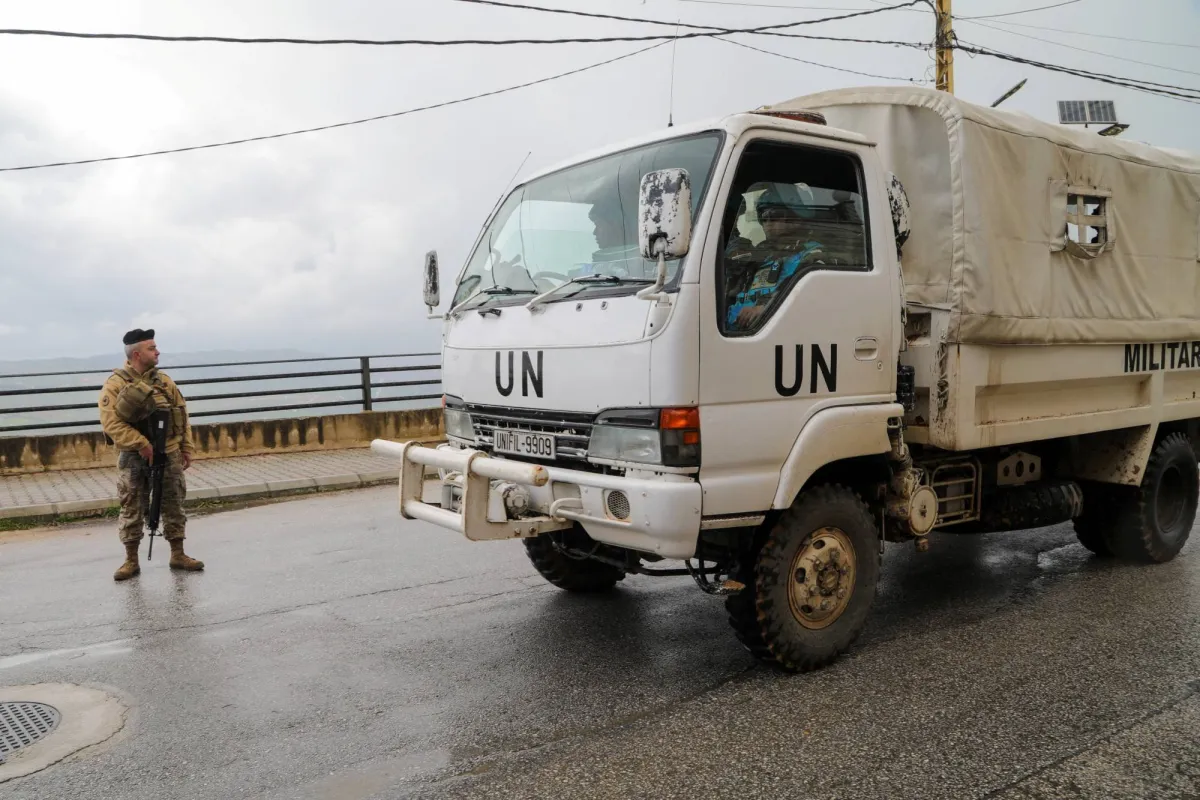
The United Nations Interim Force in Lebanon (UNIFIL) announced on Monday that two of its personnel were killed in an explosion of unknown origin that occurred in the Bani Hayyan area. This tragic incident comes just one day after the death of a third member in a similar explosion near the Israeli border, raising new fears about the security situation in the region.
UNIFIL stated in a press release that the explosion destroyed a vehicle belonging to the force, resulting in serious injuries to a third soldier, in addition to injuring a fourth soldier. The force confirmed that it has launched an investigation to determine the circumstances of the incident, noting that this is the second deadly incident within the past twenty-four hours.
Details of the Incident
These incidents are part of a series of security tensions in the region, where fears of escalating violence in southern Lebanon have increased. Recent events have led to growing calls from the international community to ensure the safety of peacekeeping forces operating in a complex environment filled with challenges.
On the other hand, these incidents highlight the deteriorating security situation in Lebanon, which is suffering from worsening political and economic crises. The Lebanese government has expressed its concern over these developments, pledging to take steps to ensure the safety of all personnel in the country, including UNIFIL forces.
Background & Context
UNIFIL was established in 1978 with the aim of maintaining peace and security in the southern Lebanon area, particularly after the Israeli-Lebanese conflict. However, the security situation in the region has seen a significant deterioration in recent years, with increased military activities and tensions among various factions.
The relationship between Lebanon and Israel remains tense, with ongoing exchanges of threats along the border between the two countries. These conditions have heightened the need for the presence of peacekeeping forces, which face significant challenges in carrying out their missions amid rising violence.
Impact & Consequences
The recent incidents raise questions about the effectiveness of UNIFIL in achieving its objectives, highlighting the need to enhance security measures to protect its personnel. Additionally, these events may affect relations between Lebanon and the international community, as pressure is expected to increase on the Lebanese government to provide security and stability.
Moreover, these incidents could escalate tensions among various Lebanese factions, potentially negatively impacting the internal situation in the country. The continuation of violence could exacerbate the economic and political crises that Lebanon is experiencing, complicating the overall landscape.
Regional Significance
The events in southern Lebanon are part of the larger picture of conditions in the Middle East, where political and security crises intersect. The deterioration of the situation in Lebanon could impact stability in neighboring countries, especially given the presence of regional powers seeking to enhance their influence in the area.
Furthermore, the ongoing violence in Lebanon may lead to humanitarian repercussions, potentially causing further displacement of populations, which increases the burdens on neighboring countries. The situation in Lebanon requires urgent international attention to ensure regional stability.
In conclusion, the situation in southern Lebanon remains under observation, as the international community looks forward to achieving peace and security in the region. The recent incidents underscore the urgent need for effective international cooperation to ensure the protection of civilians and peacekeeping forces, and to achieve stability in Lebanon and the region as a whole.