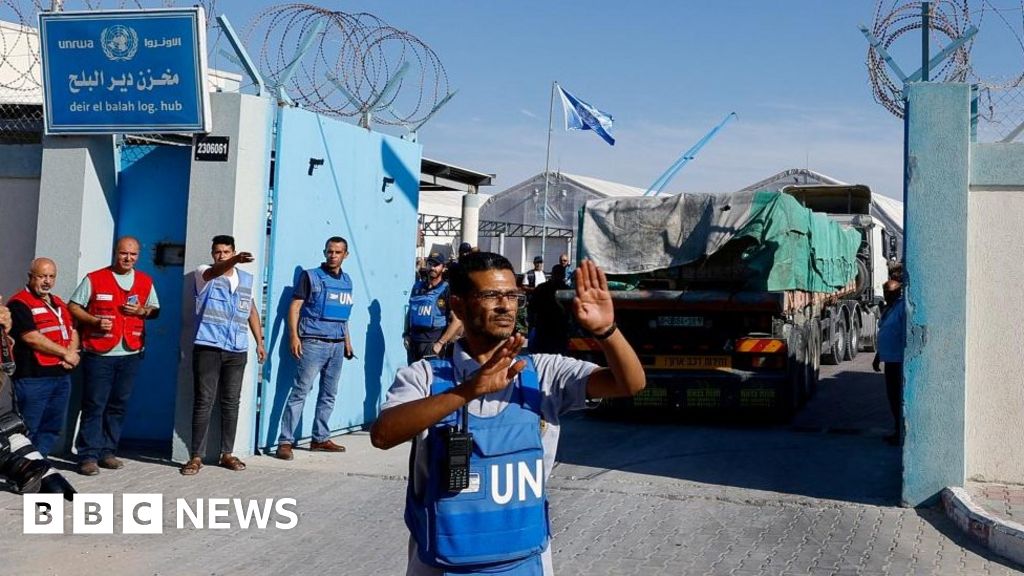
The conflicting parties in the Middle East have announced a two-week ceasefire, marking a significant step towards alleviating tensions in the region. This decision follows a series of intensive discussions among the concerned nations, as the international community strives to find a lasting solution to the protracted conflict.
The ceasefire terms include a commitment from all parties to halt military operations and facilitate humanitarian aid access to affected areas. This announcement has been welcomed by many countries and international organizations that have called for an end to violence and the pursuit of peaceful solutions.
Details of the Ceasefire Announcement
The ceasefire comes at a critical juncture, as the region has witnessed an escalation in hostilities over the past months, resulting in numerous casualties and widespread destruction of infrastructure. The agreement was reached after intensive diplomatic efforts by several countries, including the United States and Russia.
In this context, the United Nations expressed hope that this agreement would contribute to achieving peace and stability in the region. It emphasized the importance of all parties adhering to the agreement and the necessity of resuming political dialogue to comprehensively resolve the conflict.
Background & Context
The history of the conflict in the Middle East spans several decades, with the region experiencing multiple conflicts that have exacerbated humanitarian conditions. Numerous international initiatives have attempted to achieve peace, but they have often faced significant obstacles due to the lack of consensus among the involved parties.
In recent years, the intensity of the conflict has increased due to external interventions and internal strife, complicating the situation further. Nevertheless, the current ceasefire represents a new opportunity for a peaceful resolution and may serve as a starting point for broader negotiations involving all concerned parties.
Impact & Consequences
The ceasefire is expected to have positive effects on the humanitarian situation in the region, allowing humanitarian aid to reach those in need. Additionally, this agreement may help alleviate pressures on neighboring countries hosting large numbers of refugees.
Politically, this agreement could lead to a revival of talks between the conflicting parties, potentially paving the way for more sustainable solutions. However, the greatest challenge remains ensuring that all parties adhere to the agreement and refrain from returning to hostilities.
Regional Significance
This development is significant for Arab countries, as stability in the Middle East directly impacts security and the economy in the region. Many Arab nations hope that this agreement will contribute to improving security and economic conditions, which could enhance regional cooperation.
In conclusion, the ceasefire represents a positive step towards achieving peace in the Middle East, but the commitment of all parties is the critical factor in the success of this agreement. The international community looks forward to seeing tangible results in the coming days and weeks.