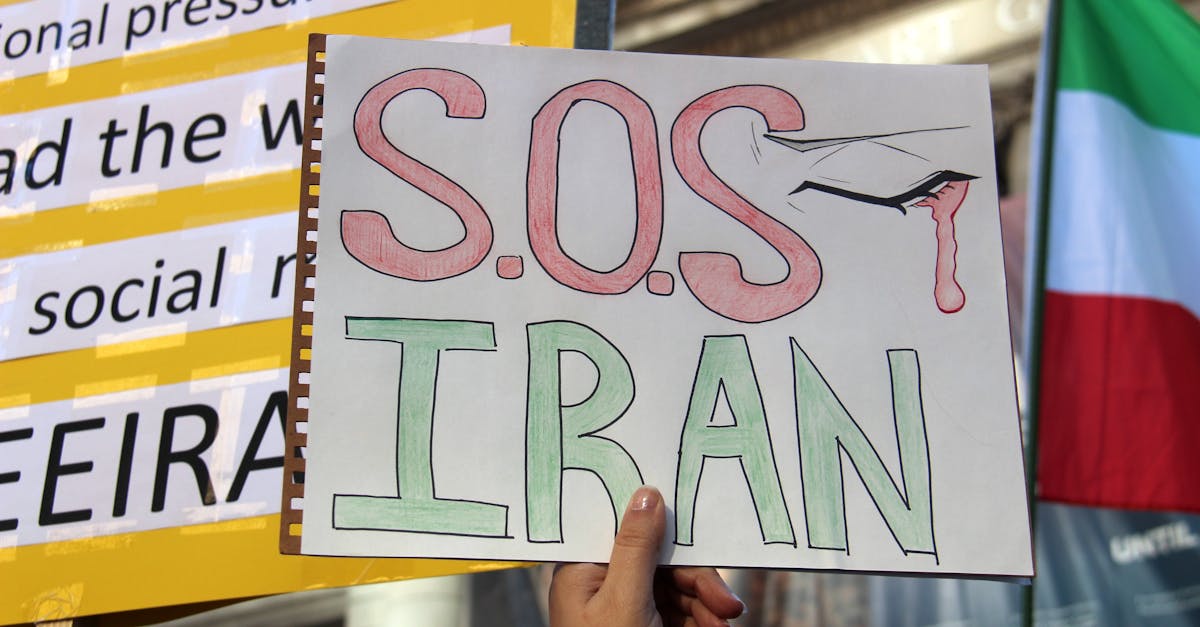
U.S. President Donald Trump announced early today a two-week truce with Iran, based on a 10-point plan presented by Tehran. This announcement follows weeks of military escalation and mutual threats, with Trump asserting that the United States has achieved all its military objectives.
While Iran confirmed it would halt all military operations if all parties adhered to the ceasefire, the Iranian Supreme National Security Council clarified that this does not mean the end of the war, stating that "our hands are still on the trigger." This raises questions about whether this truce signifies the beginning of the end of the conflict or merely a calculated pause before a new round of escalation.
Details of the Truce Announcement
Opinions on the truce vary, with The New York Times describing it as an "emergency exit" from a critical situation, while Newsweek warned that the "good news" may not last long. Meanwhile, the Christian Science Monitor viewed this move as part of Trump’s "madman strategy."
David Sanger, a reporter for The New York Times, notes that the truce was not a strategic breakthrough but rather a means to escape a mounting impasse. Iran has demonstrated an ability to absorb pressure, making the idea of a swift resolution unlikely.
Background & Context
Historically, U.S.-Iran relations have been tense, with recent years witnessing an escalation in military and economic tensions. Global economic pressures, including the closure of the Strait of Hormuz, have heightened tensions in the region.
Furthermore, internal political divisions in the United States have influenced Trump’s stance, as he faced criticism from some members of his party for engaging in a war he had promised to avoid. However, the truce may temporarily calm markets, yet it does not address the root causes of the conflict.
Impact & Consequences
Although the truce may alleviate pressure on markets, it does not resolve fundamental issues such as Iran's nuclear program. Iran still possesses a significant stockpile of enriched uranium, raising concerns about potential escalation in the future.
Newsweek anticipates that the truce will be short-lived, warning that Trump’s declining popularity may put him in a race against time. If the economy does not improve, Republicans may lose control of both the House and Senate, subjecting him to further pressure.
Regional Significance
These developments directly impact the Arab region, where fears of potential escalation in the conflict are growing. Gulf countries, in particular, are closely monitoring the situation, especially with increasing Iranian pressure on infrastructure.
Ultimately, the truce remains a tactical step rather than a genuine solution, leaving the prospects for escalation intact unless the root causes of the conflict are addressed. The failure to achieve U.S. objectives may lead to a situation worse than before the war.