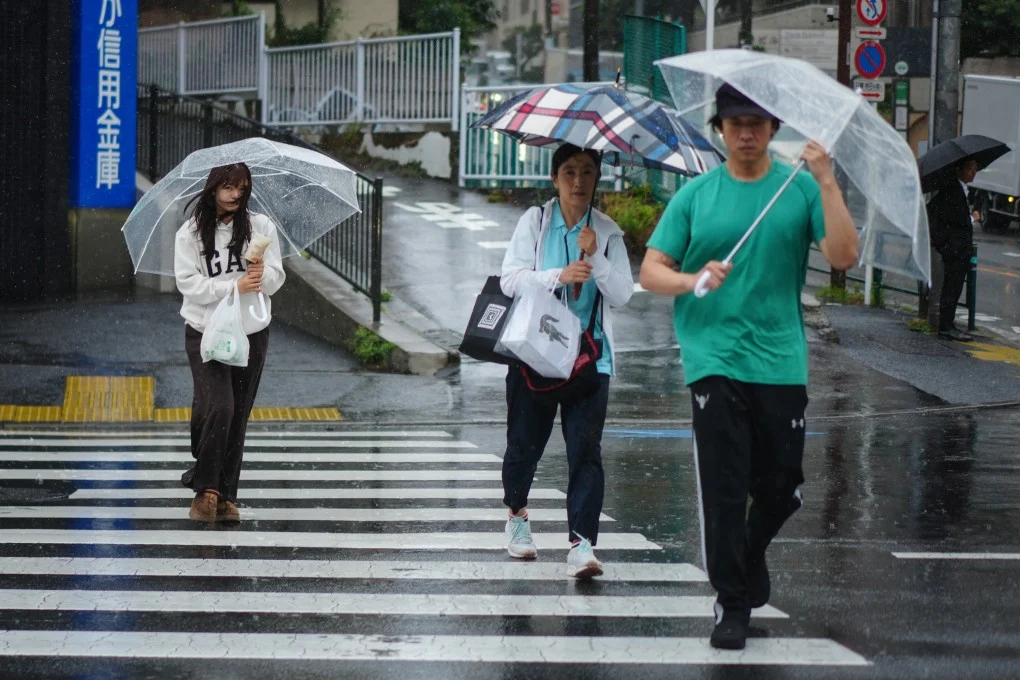
Typhoon Jangmi hit the calm shores of Japan's Pacific side on Wednesday morning, leading to floods and landslides, injuring dozens. The typhoon, which passed near Okinawa and Kagoshima, made landfall at 4:30 AM.
The typhoon prompted the Japan Meteorological Agency to issue the highest flood warning level, alerting residents in Wakayama Prefecture of the severe flood risk in the Kōza River. The damage was significant, with infrastructure notably affected, necessitating the intervention of rescue and relief teams.
Event Details
Typhoon Jangmi caused heavy rainfall and strong winds, resulting in rising water levels in rivers. Dozens of people were reported injured due to landslides and floods, with many transported to hospitals for treatment. Numerous homes and public facilities in the affected areas were also damaged.
Emergency teams continue their efforts to search for missing persons and provide assistance to those in need. Some major roads have been closed due to the damage, disrupting traffic and delaying relief operations.
Background & Context
Japan is one of the countries frequently affected by typhoons, situated in the Pacific typhoon belt. Historically, the country has experienced many powerful typhoons that have caused severe damage and loss of life. For instance, Typhoon Hagibis in 2019 was among the most devastating, leaving over 90 dead.
Japan typically prepares for the typhoon season by improving early warning systems and enhancing flood resilience infrastructure. However, climate change is increasing the intensity of these weather phenomena, making the challenges even greater.
Impact & Consequences
The effects of Typhoon Jangmi extend beyond Japan, as weather disruptions can impact global markets, particularly in agriculture and transportation. Floods and landslides may lead to food supply shortages, driving up prices and affecting both local and international economies.
Additionally, the damage to infrastructure may require substantial investments for reconstruction, placing further pressure on the Japanese government. Relief operations are expected to continue for several weeks, highlighting the urgent need for effective strategies to adapt to climate change.
Regional Significance
Despite Japan's distance from the Arab region, natural events like Typhoon Jangmi remind us of the importance of preparedness for natural disasters. Arab countries, facing various climate challenges, need to strengthen their systems to cope with floods and sandstorms.
International cooperation in sharing information and expertise can assist Arab nations in improving their disaster response strategies, enhancing their capacity to adapt to climate changes.